Everything we've shipped, in the open.
The complete, dated history of what 🤫 One has shipped - 848 changes and counting, newest first, for users, our team, and the community. We build in the open: this is the record.
We name each release after a human we look up to.
It is a small convention that means a lot to us: every 🤫 release is named after a human we celebrate, so the story of what we ship carries the memory of the people who inspire it. We celebrate humans as we build.
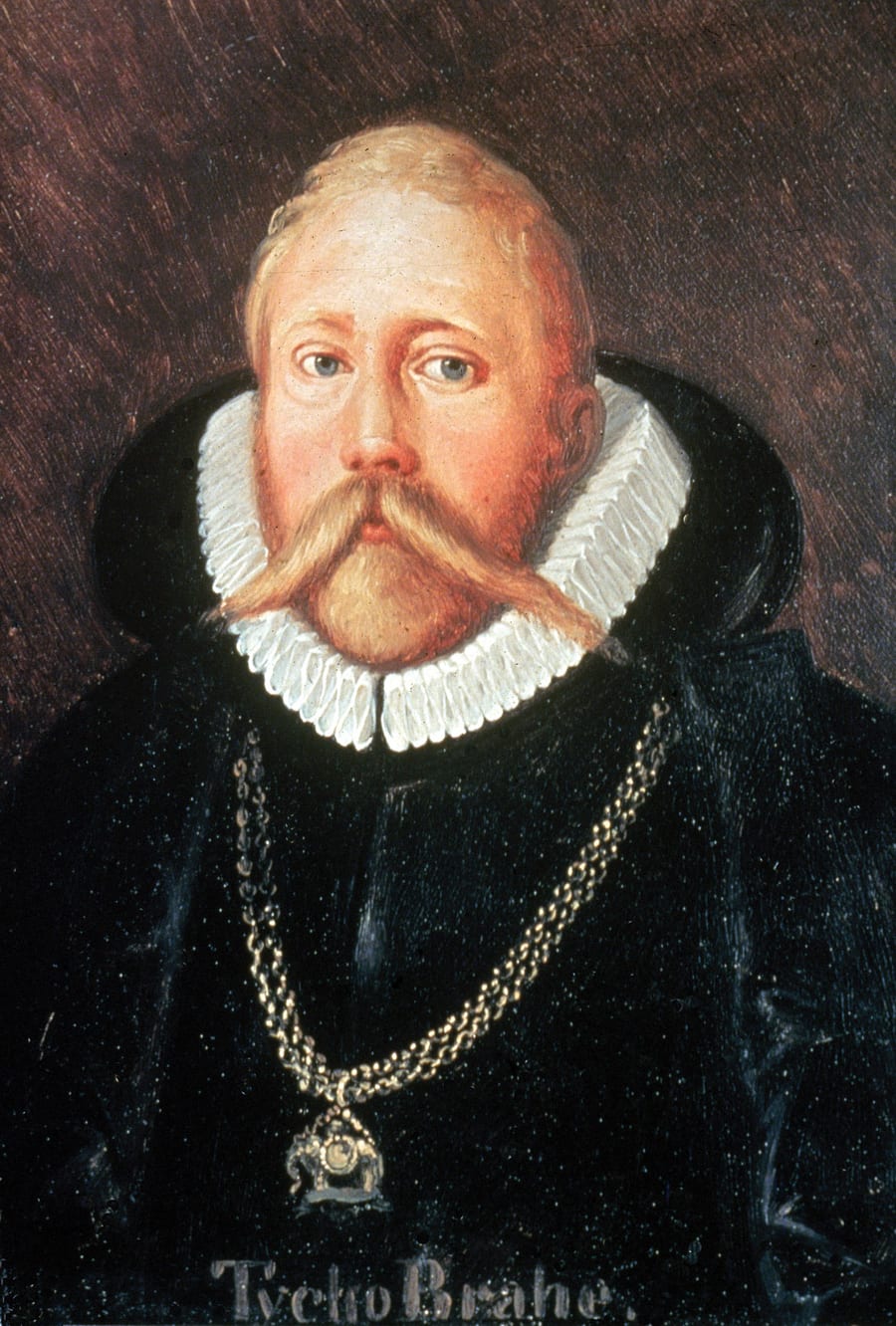
Brahe recorded the sky more precisely than anyone before him and handed that data to Kepler, who found the laws hidden inside it. We respect the unglamorous work of good data, and we believe the person who gathers it should decide who may use it.
See all the humans we celebrateThe front door to a job here now actually opens
One hundred and twenty-nine jobs across nine cities, a form that takes about a minute, and a search that can finally find the work near you. Some of this fixes what an earlier release said was already working and was not - that correction is below, in plain words.
The correction first: no application email had ever sent →
A previous release said you would get an email repeating what you sent us. That was not true, and it had never been true. Three separate faults sat in series on the mail path, each one silent, and every check we had came back green while nothing left the building. All three are fixed. We are not going to claim it works until we have watched one arrive - so if you applied before today and heard nothing, that was us, not you, and your application is still on file with its reference intact.
Search every open role, and filter by the city you are actually in →
We opened nine cities and then gave nobody a way to filter by any of them. There is now one search across all one hundred and twenty-nine roles, with a chip for each city, a remote-friendly toggle for the roles that can be done from any major US city, and a link you can share that keeps your filters. The careers page itself used to list eight jobs written by hand and link to none of the real ones. It links to real ones now.
Five fields, and three different ways to give us your resume →
Attach a file, paste a link, or paste the text straight into the page. That last one matters: needing a hosted PDF before you can apply turns away good people for a reason that has nothing to do with the job. First name, last name, email and your resume are all we ask for. Everything else - your phone, where you are, twelve places your work might live, what you are proudest of - sits behind one link you open only if you want to.
A second application no longer destroys the first →
Re-applying used to overwrite your record wholesale, so coming back to correct one thing wiped every link and every answer you had written the first time. Now they merge, and the fuller answer wins. Your reference number stays the same however many times you come back, and the trail of what changed is kept - which it was not before.
Follow the build you care about.
Apple keeps release notes per product; so do we. The timeline below is the full record - these are the curated, newest-first highlights for each 🤫 build, so a user, a partner, or a builder can follow just the one they care about.
🤫 Private Agent One
Jul 11, 2026Your private life-general-contractor - owned and controlled by you, every read a consented handshake.
Now built openly on PCHP / hu_ssh - the consent protocol every read completes.
- Every read of your data completes a public PCHP handshake - the spec is now open at /research/pchp-specification.
- The 🤫 One app: an iOS-Safari-first home screen of working agents with a mic always in reach.
- Location & Check-in: share your location on a tap, verified on-device, with a receipt you own.
- Your Personal World Model, on your device, with a live preview of exactly what you choose to share.
- Sign-up cut to two steps: sign in with Google or Apple, verify your phone, you are in.
🤫 Puppy One
Jul 4, 2026Personal supercomputing you own, at home.
Full bill of materials and an Apple-grade first-time guide, published in the open.
- The Puppy 100 lineup, with the full bill of materials in the open.
- Summer-2026 product visuals and a simplicity-first packaging story.
- A first-time user guide written cleanly backwards from the human.
🤫 Tag One
Jul 5, 2026The smallest 🤫 host - your consent, in your pocket.
Lineup finalized (flagship + SE, Ultra, Pup) with a published BOM.
- Final lineup: flagship plus SE, Ultra, and Pup.
- The complete bill of materials, published for anyone to read.
- An Apple-grade first-time user guide for every SKU.
The 🤫 Platform & www.hushh.ai
Jul 11, 2026The open protocol, the research, and the public portal every build ships to.
PCHP specification + four launch posts, donated to the community.
- PCHP / hu_ssh: the full normative specification, donated to the community (CC0 spec text, Apache-2.0 schema).
- Four launch posts by Manish Sainani and the 🤫 Research & Intelligence Team.
- Every indexable route on the site is mirrored into the agent's own site context, in lock-step.
Garage-first. Built in the open, updated as we ship.
We are a Silicon Valley garage at heart - a small, hardcore team shipping in public. These notes update as we ship, most days, so users, partners, and the community can watch the company get built in real time. Garage-first is not nostalgia; it is a first principle and a core value of how we operate.
Kushal Trivedi, our co-founder and forward-deployed core engineer, works alongside Manish Sainani to build the best possible company to work at and with. The team pairs with Claude, Codex, Grok, and Gemini as everyday tools - shipping faster without ever losing the human at the center, which is the whole point of everything here.
A running record of the work.
Every change merged to main, documented here.
Shipped through a pull request and review.
The first change in this public record.
Every change, newest first.
Each entry is a change shipped to production. Reviewed releases link to their pull request.
- FeatureCareers end to end: close four open pages, make email sendable, give jobs a real switch#606 ↗
- FeatureResume attachments: browser to a private bucket, never through us#603 ↗
- Testsalign home hero test with pulled UI
- FeatureMerge remote-tracking branch 'origin/main' into codex/restore-manish-end-to-end
- Testspreserve snapshot-compatible agent tests
- DesignRevert "Refine home landing page layout and product suite components"
- Designrestore screenshot-matched footer layout
- FixFix the reason no application email has ever sent from production#604 ↗
- FeatureWrite all 129 job descriptions properly, with a real Required and Nice to have#602 ↗
- FeatureNine cities, honest remote, and pay and benefits on all 129 jobs#601 ↗
- ContentRelease notes: every role open, and applying takes about a minute#600 ↗
- DiscoverabilityAll 72 roles open, 129 job pages Google can index, and a loop that closes with the applicant#599 ↗
- ContentRelease notes: the role catalog, and three demos that decide something again#597 ↗
- Featurerestore website snapshot from 11:50pm IST
- Designrevert changes after 2pm IST UI snapshot
- FeatureRoles become records: the 72-role catalog, published as a catalog and not as 72 vacancies#596 ↗
- Discoverabilitymain is green again: route discovery, the emoji and copy pass, and three demos that decide something#595 ↗
- Designupdate Finance Agent hero section to 2-column layout with text left and image right
- Featureupdate RIA and Wallet pages to golden theme alignment
- Designreplicate finance agent page with golden color theme matching mockup
- Designfeat: align Finance, Gmail, RIA, and Wallet agent pages to unified editorial design system
- Designstyle: refine Finance agent page CSS spacing and layout
- Designfeat: rebuild Finance and Gmail agent pages with editorial layout matching mockup
- DesignRefine Shop and Agent pages UX
- DesignSimplify launch demo page
- DesignRefine Agent One page styling and simplify agents
- DesignRefine Agent One product page and specialized module architecture
- DesignRefine home landing page layout and product suite components
- Featurerevert: restore original code baseline from commit 0d0de854
- DesignRefine public hero typography scale
- Fixfix(layout): resolve mobile footer overlap and floating navigation collision
- Fixfix(homepage): remove leftover unclosed Showcase tag
- Designdesign: Apple Developer style Bento Grid UX & content elevation sitewide
- Designdesign: black and white theme sitewide - remove all gold/peach/color
- FeatureRefine public typography system
- FeatureUnify Agent One taxonomy
- FeatureSimplify Store Tag reservation flow
- DesignPolish public homepage design system
- DesignAdd KYC Agent story page
- DesignAdd Calendar Agent story page
- Designrefine(header): clean up wordmark spacing & implement Option A proportional nav popovers
- DesignAdd Gmail Agent story page
- DesignAdd RIA Agent story page
- DesignAdd Wallet Agent story page
- DesignAdd Finance Agent story page
- Designfeat(footer): update site-wide footer to centered 6-column essential layout
- Featurerefine(directory): polish Yellow Pages dropdown & section pages copy density and alignment
- Designrefine(network): reduce copy density across hero, card arrays & bands on /network
- Designrefine(puppy): polish UX alignment, dropdown descriptions & copy density across Puppy pages
- Fixfix(network): center-align hero and open network sections on /network
- Fixfix(factory): center-align 'The Bigger Picture' section paragraph and heading
- Designrefine(factory): trim repeated copy density on /one/factory page
- Designredesign: elevate /one/puppy/catalog with premium Apple-style layout, sticky maker nav, styled cards & footer
- Featurerefine: trim copy on /one/card and left-align section headers on pricing
- Designrefactor(nav): refine Store dropdown item descriptions
- Featurestyle(reserve): elevate Trust section into rounded white cards with natural phrasing
- Discoverabilityrefactor(reserve): refine /one/reserve copy, fix phone mockup clipping, and route CTAs to /one/claim
- Designrefactor(shop): refine copy, add site footer, remove redundant CTA, and build 3-column status grid
- ContentPolish Puppy guide layout
- DesignAlign Puppy how it works page
- DesignAlign Puppy why page
- DesignRefine Puppy 100 page
- FeatureRefine Puppy chooser experience
- ContentRelease notes for the register lap, and the CI timing measurement recorded#590 ↗
- FeatureDocs reconciliation: three stale statements stop contradicting reality#586 ↗
- FeatureEvery "is this you?" now reaches the actual claim door#585 ↗
- FeatureThe work register: one numbered list of everything open, by owner and priority#582 ↗
- Fixfix(gtm): add /gtm hub page (T8), resolve the root 404#584 ↗
- Featuredirectory: per-metro aggregation pages (T2), the layer above per-ZIP#583 ↗
- FeaturePolish Puppy product story and platform explorer
- Contentstyle(one): replace The 🤫 One app card with First-time user guide in Find your way in section
- Featurefeat(one): add Works with every assistant, The product roadmap, and The 🤫 One app cards to Find your way in section
- Featurestyle(one): remove The hardware and Personal Supercomputing sections from /one
- Contentfeat(nav): update Agent One dropdown menu to contain all 12 exact items (1 Agent One, 1 App, 1 User guide, 9 Agents)
- Designfeat(location): render dedicated LocationAgentPage directly on /one/agents/location and add The 🤫 One app to nav dropdown
- Fixfix(location-agent): fix character baseline alignment in KineticHeading hero headline
- Contentfeat(nav): add User guide as 10th item under Agent One dropdown menu
- Designfeat(agents): update /one/agents grid to strict 3x3 layout and populate Agent One dropdown with dedicated agent entries
- Designfeat(everything): apply Apple-grade Summer 2026 UX design polish to /one/everything
- Featurefeat(app): update app launcher grid to display strictly the 9 core console agents with 🤫 DP badges
- Designfeat(nav): add All agents destination to Agent One dropdown menu linking to /one/agents
- Designfeat(one): render Agent One hero in side-by-side layout on desktop/tablet
- Fixfix(agents): remove Explore capability text from capability cards
- Designfeat(agents): redesign agent detail pages with interactive hero stage, numbered core capability cards, and trust band
- Featurestyle(one): tighten and reduce copy across Private Agent One section and cards
- FeatureThe NEXA precondition lands: a roster row's own source and registry outrank the shard's#581 ↗
- FeatureHEP-0001 gets its required prototype: the aligned header, executable, claims proven#580 ↗
- FeatureThe hu_ssh session writer: what a session writes, its own reader accepts#578 ↗
- ContentRelease notes: the week the team rebuilt the One experience, recorded#579 ↗
- FeatureThe week's new pages meet the standing guards, and the roster change ships without dead ends#577 ↗
- Featurestyle(one): elevate Private Agent One dark section with glass aura lighting, card icons, and gold sweep
- Featurestyle(agents): polish 9 agent detail pages with 🤫 DP badge and clean typography
- Featurefeat(agents): strictly limit AGENTS to 9 console agents and add 🤫 brand DP badge
- Designfeat(agents): update AgentCircle hero to 9 core console agents with 🤫 emoji and clean typography
- Fixfix(types): resolve AgentGlyph default case and variant non-null check
- FeatureMerge pull request #576 from hushh-labs/feat/agent-one-core-suite
- Fixfix(agents): remove Ships First green badges from agent cards
- DesignMerge reserve page polish
- Featurefeat(one): update agent suite to core live agents (Finance, Wallet, Location, Gmail, Calendar, RIA) and redesign hardware grid
- DesignRefine Agent One reserve page
- Designfeat(agent-one): center headers, tighten copy, and apply warm golden tint to Agent One page
- ContentMerge pull request #575 from hushh-labs/feat/one-guide-ux-tighten
- Contentfeat(one-guide): center headers, tighten copy, and apply warm golden tint to sign-in section
- DesignRefine Tag One product page art direction
- Featurefeat(tag): add Tag One motion polish
- FeatureMerge pull request #568 from hushh-labs/fix/public-site-alignment-system-pr
- DesignReapply "fix(ui): normalize public site alignment"
- DesignRevert "fix(ui): normalize public site alignment"
- Fixfix(ui): normalize public site alignment
- ContentMerge pull request #567 from hushh-labs/fix/guide-hero-centering
- Fixfix(one-guide): center hero content block and CTA buttons
- FeatureMerge pull request #566 from hushh-labs/fix/puppy-package-card-alignment
- FixFix Puppy package card alignment
- FeatureMerge pull request #565 from hushh-labs/fix/puppy-filter-selection-sync
- FeatureMerge pull request #564 from hushh-labs/fix/puppy-reserve-bar-clearance
- DesignMerge pull request #563 from hushh-labs/fix/puppy-one-section-centering-and-nav-viewport
- FixFix Puppy selection sync across filters
- FixFix Puppy reserve bar scroll clearance
- Fixfix(puppy-one): center section headers, fix nav closed viewport border bug, and refine disclaimer spacing
- ContentRelease notes: the seven commits of the Apple launch night, recorded#562 ↗
- DiscoverabilityThe tokens-per-watt redirect actually redirects: one redirects(), guarded#561 ↗
- FeatureThe engineering & production contract: rails, discipline, dated calendar, open decisions#560 ↗
- FeatureCI becomes a fan, not a line: same 14 checks, roughly half the wall clock#558 ↗
- TestsThe smoke check retries a transport failure once, and never a wrong answer#554 ↗
- ContentRelease notes 2026-08-27: your agent deserves a home#556 ↗
- FeaturePuppy One, always: the retired name is renamed everywhere and guarded forever#559 ↗
- FeatureThe catalog, rebuilt by maker: every Puppy, readable, Apple first#557 ↗
- FeaturePuppy One on Apple silicon: the launch experience and the token-per-watt research note#555 ↗
- FeatureAn unlisted slug on eight enumerated routes was served 200, not 404#552 ↗
- FeatureThe 🤫 Puppy One desktop line on Apple's August silicon, and the tokens-per-watt thesis#553 ↗
- ContentRelease notes 2026-08-25: the 1024 complete, the faculty world, the Location Agent page#551 ↗
- DesignMerge Location Agent marketing page
- FeatureThe faculty directory doubles: twelve world regions, 62 institutions, 682 cited professors and leaders#550 ↗
- FeatureThe Apple 1024 is complete: 714 to 1024, every entry researched, checked, and cited#549 ↗
- ContentRelease notes: the final lap of the 2026-08 batch joins the record#547 ↗
- DesignUse map film in Location Agent hero
- FeatureCenter Location Agent marketing copy
- FeaturePut the films on the grid too, and centre everything over them
- FeaturePull the Ask kicker back onto its own media edge
- DesignOne grid, one type scale, one centre line on the Location Agent page
- DesignThe Location Agent gets its own page, at /location-agent
- Fixfix(deploy): route Gemini/Vertex to the billing bridge in uat + production env
- Fixfix(search): normalize model names across ADK runtime and LLM callers
- Fixfix(deploy): point production GENAI_GOOGLE_CLOUD_PROJECT to hushh-pda-uat
- ContentRelease notes catch up on current main, to unlock the promote#541 ↗
- Featurefeat(search): upgrade to Gemini 3.7 Flash and fix ADK client project binding
- FeatureLint joins the gate, with its real backlog in the open#536 ↗
- FeatureThe tier promises get a server behind them, and connect names its counterparty#533 ↗
- FeatureThe legal armor: three drafts for counsel, and the FCRA notice shipped#532 ↗
- FeatureThe mortgage lane exists now, and the NEXA roster arrives through the front door#531 ↗
- ContentThe release notes catch up again, and the guard is why#530 ↗
- ContentPublish the removal count, to people and to machines, with its caveat pinned#526 ↗
- ContentThe release notes catch up, because the guard would not let them not#525 ↗
- TestsThe removal promise gets a number, and four tests about what it does not mean#524 ↗
- FeatureThe pack reads every repo, and a script for meeting number one#523 ↗
- FeatureThe board update, and the KPI row it would have quoted wrongly#522 ↗
- FeatureRemoval that removes somebody, a Palo Alto front door, and a Friday that runs itself#521 ↗
- FeatureLog the MVP closeout, and carry the consent items forward#520 ↗
- FeatureMVP closeout: reachability-first ranking, the scorecard, /business, /team/land#518 ↗
- FeatureEvery scope resolves now: a systems review of the consent fabric#517 ↗
- FeatureApply the adversarial review findings to the systems review
- FeatureA systems review of the consent fabric, end to end
- DesignConnections: rank the answer, wire the parser, and put the box in the hero#516 ↗
- FeatureThe profile write surface: a person can finally set a real PCHP scope#515 ↗
- FeatureThe support rail I announced as working has never sent an email
- FeatureAsk Stanford, since we never had
- DesignThe finder page advertised two of its six lanes
- Featurefeat(deploy): flip the PWM cutover on production, PWM_BACKEND_ORIGIN#440 ↗
- FeatureMake the PWM cutover unable to strand anyone, so PR 440 can ship
- FeatureThe whole need grid on Connections was decorative
- FeatureThe PLG form still evaporated job applications into a mail client
- FeatureReconcile the working branch with main again
- TestsE2E for the four flows I shipped today with none
- FeatureReconcile the working branch with main
- FeatureOne box replaces twenty-seven mailto links and a form per department
- FeatureThe tier ladder, and the compute bench that has to feed it
- FeatureThe universal address is real, and three URLs people type are no longer 404s
- FeatureDraw the new dots, so an answer engine does not have to infer them
- FeatureA person in Kirkland searching for a doctor got a pharmacy holding company, twice
- FeatureMeta's own roadmap, researched, and the one dependency capex cannot buy
- FeatureTalent 2.0, and 1.0 is withdrawn rather than labelled
- FeatureThe Meta roadmap, published rather than pitched, and worked from their P&L
- FeatureThe bar was measuring one spelling of a call to action, not the call to action
- FeatureMichelle can send now, and the recipient is not something a caller can choose
- FeatureConnections, Ads, and the day after Muse Spark 1.1
- FeatureMichelle, tested on the promises rather than the prose
- DesignTalent OS: the design, the user stories, and what is honestly not built
- FeatureAn application now becomes a record with an owner, not just an email
- DesignOne caveat, said four times, on a page about dignity
- DiscoverabilityEleven pages were in the sitemap with no canonical and no share card
- FeatureThe candidate portal, the hiring console, and one disclaimer that read like a lawyer wrote it
- FeatureTalent OS: our own ATS, and the invitation stops being a manual
- Featurehussh Connections: the plan, and the need vocabulary under it
- TestsThe smoke gate went red on a page that was correct
- FeatureTalent 1.0 was correct and unreadable, so give it rhythm
- FeatureA removal is a promise with a clock, so a log line cannot satisfy it
- FeatureFront-door audit and OpenAlex scholarship, plus a correction I owe
- FeatureThe apply form told candidates it had sent applications it had not sent
- FeatureMerge remote-tracking branch 'origin/main' into mainmerge
- FeatureStanford roster: the lawful ceiling is zero, and the file is empty on purpose
- ContentPublish Talent 1.0, the document that was written and never shipped
- FeatureThe shareholder note was rendering unstyled, because its stylesheet was never deployed
- FeatureTen type errors the full gate caught, two of them in code already in production
- FeatureBoard certification, collected and counted: 1,379 records, and a 2 to 3 percent ceiling
- FeatureStop letting a bad network second kill a good deploy#509 ↗
- FixFix ten possibly-undefined type errors in the directory module#508 ↗
- FeatureGate a fixed sha in a worktree nothing else can touch
- FeatureRecord the tier-3 boundary the consent fix deliberately did not cross
- FeatureWIP checkpoint: consent scope validation, agent still working
- FeatureFifteen more Stanford faculty, and awards that read as awards
- FeatureFlorida certified-specialist sample from the certification agent
- ContentPublish the Fund A NVDA desk note, at the top of the shareholder section
- FeatureFour parallel research streams land: NY ingest, connection model, faculty, certification
- DesignHouse style: no em dashes on the Clark County page, and derive the gap count
- FeatureClark County has a front door, and its ZIP list comes from the Census
- FeatureVegas GTM: Nevada insurance roster, removal-hole fix, journey agent, top-100 ZIPs
- FeatureWhat a lawyer directory can honestly claim, measured against the actual sources
- FeatureThe top 100 ZIPs, ranked on households rather than on a tail
- FeatureAn agent that uses the site, records what it saw, and says so out loud
- FeatureClose the removal hole, and make Clark County answer
- FeatureNevada insurance: 16,609 producers, 189 ZIPs, so Las Vegas is not empty
- FeatureLas Vegas hotels: 33 named humans, 11 gaps left open, zero guesses
- FeatureLas Vegas: the wealth map, and the argument against canvassing it
- FeatureWatch the front door, and count all six lanes honestly#506 ↗
- Fixfix(seo): register /one/enterprise-crm in site-routes indexable inventory
- Fixfix(ci): increase Node.js max-old-space-size to 8192MB for type checking
- Designfeat(one): add enterprise-crm feature story page and official partner vector assets
- ContentThe Stanford keynote in the library, and a catch-all that finally 404s#505 ↗
- FeatureThe engineering deep dive for Jensen's team, published open#504 ↗
- FeatureNVIDIA as strategy, the decks reachable, a pricing answer, and the agent ontology#502 ↗
- FeatureStop attributing the pre-seed to Fund A in investor narrative content
- ContentDo the reading on Alfred Lin, and let a researched tribute exist at all#500 ↗
- FeatureMake the Dog Tag line one entity, and disambiguate it from Tag One#499 ↗
- Feature🐶 The Dog Tag program: one record, three audiences, one boundary#498 ↗
- FeatureThe sealed capsule: custody rung 5, made mechanical#497 ↗
- DesignAgent identity, the 🤫 ID card, speaker tributes, and the AI Summit pitch page#492 ↗
- FeatureSeparate advertising consent by purpose, so a platform can actually integrate#487 ↗
- FeatureRecord the ad-tech consent scopes in the deprecation snapshot
- FeatureRegenerate published registry after rebase onto main
- FixFix type mismatch in external-link hardening's querySelectorAll call#493 ↗
- FixTest the hero loop at every layer, and fix the four bugs that found#491 ↗
- Fixfix(verify): read complete sitemap coverage
- Chorechore(events): add ai summit reel export scripts
- Fixfix(marketing): unify footer ownership and alignment
- Fixfix(agent): route global chat to workspace
- FeatureStage three: the agent goes and looks, and you watch it think
- FeatureThe copy standard becomes a real guard, and a research note on the inversion
- FeatureCard plan: the shortlist, the sequence, and the conflict in the brief
- DesignThe hero story, written down once, so the pitch and the product cannot drift
- TestsThe false green, actually fixed — and delete the test that passed while it wasn't
- Fixfix(marketing): secure external links and section rail state
- Featureskill(ship-discipline): add the Hushh engineering operating standard#489 ↗
- FixFix the false green: a 404 from a missing route is not an available name
- TestsClaim step two, and repair three tests a warm cache had been hiding
- FeatureP0: give the front door somewhere to go — the Agent One claim step
- FeatureBooth portal end to end, and a ship bug that hid behind a rejected push
- FeatureSummit gratitude pages: the guard first, and an empty registry on purpose
- FeatureBooth portal: rebuild it around the one job — leaving with a way to follow up
- ContentStanford dreamers recruiter pack
- DiscoverabilityRFC-001 and RFC-002 travel together, enforced by a test
- DesignFront door navigation, and the footer to Apple's actual structure
- DesignFront door gets its navigation; three orphan pages get inbound links
- TestsSmoke: assert the front door with a body-only string
- DesignFront door: marketing at /, the agent workspace at /app
- FixDestructure barcodes under noUncheckedIndexedAccess
- FeatureWallet passes: two cards, because they are two claims with two owners
- TestsOrg agent identity tests: 76 across handle, encoding and affiliation
- FeatureOrg agent identity: the handle is the person's, the affiliation is the employer's
- FeaturePCHP for agents: the integration guide another agent can build against
- FeatureWhat MCP 2026-07-28 teaches PCHP: seven changes, five adopted
- ChoreSatisfy noUncheckedIndexedAccess in the QR encoder
- FeatureThe 🤫 agent card: the whole face is the code
- TestsQR encoder, verified against an independent implementation rather than trusted
- ContentAuthoritative execution guide - so any agent can pick this up cold
- FeatureOne line, three proofs, one ask - and a list of what to stop saying
- FeatureIntern onboarding: the system in ten minutes, and twelve real things to do
- FeatureThe alpha blueprint: two circles, an agent roster, and the Iron Rules as engineering discipline
- FeatureThe ad that pays you, and tells you who bought
- FeatureMake the fabric adoptable without a sales call
- FeatureSeparate advertising consent by purpose, so a platform can actually integrate
- ContentPublish AI Summit print and research kit
- FeatureShip AI Summit field assets and staff workspace
- FeatureSpaceID validation: one rule, three callers, collision designed out
- FixCorrect a false claim: hu_ssh is a design, not shipped code
- FeatureBoard & team review index: every surface, with its known defects named
- FeaturePCHP implementation status: what is actually running, checked against the code
- TestsPublish Manish Sainani's heterogeneous-supercompute paper; guard the blogs count
- ContentDeep dive: The Quiet Machine — hu_ssh, Agent One, and the human in the middle
- ContentAdd hu_ssh protocol blog to blogs listing page
- ContentUpdate execution handoff: add hu_ssh blog commits (75489e36, 78c07829) in-flight to UAT
- ContentAdd hu_ssh protocol architecture blog with Summer 2026 design
- DocsAdd hu_ssh protocol architecture blog post
- DocsDocs: authoritative execution handoff so any agent can continue from HEAD
- FixAgent Connect: stop bouncing signed-in agents off the page#483 ↗
- FeatureBoard reporting behind its own gate, with the uninstrumented majority shown as absent#483 ↗
- InfrastructureCI now runs the manifest-integrity guard it claimed to, and a check that proves it#483 ↗
- FeatureScope registry v0.5.0: 252 scopes, tiered, with purpose bundles#480 ↗
- FixCommunity search must return the community, not doctors#481 ↗
- ContentThe supercomputer in your pocket wants a job#479 ↗
- InfrastructureDeploy: wait for the lane instead of racing into it#478 ↗
- InfrastructureRelease tooling: stop tracking the rollback target, so a stale sha cannot redeploy an old build
- FixPCHP: let the profile root through the writer it was published for#476 ↗
- ContentContent: the handshake economics, and the gap between what we published and what we built#474 ↗
- FixDevelopers: align the Consent MCP v0.4 integration
- SecurityPCHP: publish the eight wants the directory was already offering, and guard the drift#473 ↗
- FeaturePCHP: a catalogue-driven write path, so a privacy preference can be stored at all#472 ↗
- SecurityData room: remove a plaintext access code from a test, and rotate what it named#471 ↗
- FixChampions: PkmWork is {org, role}, not {title}
- FeatureGive 713 celebrated humans a page, and make search understand what people mean
- DesignSay it in plain English, read what people actually type, and publish the protocol
- FixDirectory: give the seeded experts a real provenance date
- DesignRoot: hold the fold on first load
- SecurityMemory grounding: verbatim, self-describing, fabrication-proof
- FeatureDirectory: wire the 180,623 seeded experts into search
- FeatureDirectory: seed 180,623 local experts across the 1,024 ZIP ladder
- FeatureDirectory: build the claim and takedown flow we already promised
- InfrastructureRelease loop: encode the shipping process so it repeats without a human
- ContentNewsroom: dated releases with permalinks and NewsArticle schema
- ContentNews & Investor Relations portal + global crawler discovery
- ContentContent: the Yellow Pages essay + Two Minds ep.8 "Code is the truth"
- DesignOne: Jony Ive pass — unify every CTA through the design system
- FeatureDirectory finder: add Healthcare lane + specialty picker (find any specialist near you)
- SecurityAgent Connect: real provider logos + enable enterprise SSO on UAT by default
- DesignHome: Jony Ive pass on the front door — semibold display type, unified CTAs
- ContentFund A whitepaper: stop publishing the superseded, undisclosed PDF
- Contentdocs: surface Agent Connect (the one-login handshake door) in the llms.txt agent index
- SecurityAgent Connect: one-login SSO surface at /agent-connect (mobile-first)
- SecurityAuth: broaden enterprise + government SSO registry for day-0 agency onboarding
- Securitysecurity: agency-grade bar analysis + RA-5 dependency-audit scripts
- Securitydocs: CA CSLB public-records request draft + UAT/prod security assessment
- FixFix post-merge build/type gate
- SecurityVault↔intelligence grounding, passkeys, reviewer mode, and UX polish
- DesignValues: lead /values with the three core values — Empathy, Focus, Simplicity
- Contentdocs: mark full-1024 deep individuals (616k) done, UAT-verified
- Infrastructurefeat(deploy): flip the PWM cutover on UAT - PWM_BACKEND_ORIGIN
- Infrastructurefeat(pwm): proxy /api/pwm to the hushh-research backend when configured
- FeatureDirectory: complete deep per-ZIP individuals across the full 1024 ladder
- Featuredata: more NPI-1 individual shards (overnight tranche)
- Featuredata: NPI-1 individual shards for launch ZIPs (in-progress tranche)
- Contentdocs: deep per-ZIP launch population plan (matrix, architecture, loop, next tranches)
- FeatureDirectory: deep per-ZIP individual providers (NPI-1) for the top-100 launch ZIPs
- FeatureDirectory: make the white pages searchable by specialty (zero new data)
- Fixfix(directory): repair typecheck for multi-profession feed + connect
- InfrastructureDirectory: bump frontend to 2Gi and restore full healthcare depth (248k)
- Discoverabilityfund-a: 506(c) confirmed — state the $1M minimum, index the raise and deck
- Contentmedia: Meet the Machines re-rendered — full disclosure, Hussh wordmark (v2)
- FixDirectory: fix cold-start OOM — 184k healthcare footprint, iterate tuples in place
- FeatureDirectory: lift the per-ZIP cap and make the metro view multi-profession
- FeatureDirectory: recover every major US metro — metro-anchored wealthiest ZIPs + deep healthcare
- Featurefund-a: ask which accreditation basis applies, and stop implying it is 506(c) verification
- Contentmedia: index the gated Fund A library — findable, previewable, still walled
- Contentmedia: index every produced page, and add the tester's map
- FeatureConnect: make /api/pwm OPERATIONAL - server-side world model on Stripe
- FeatureConnect: cross-device world-model sync - your Agent knows you anywhere
- SecurityConnect: account-level consent receipts for signed-in people
- Contentmedia: Not It. re-rendered with the complete disclosure (v5)
- Fixmedia: The Machine Room — how an AI-first fund actually runs (gated)
- FeatureConnect the dots: remember me - the "it already knows" moment
- FeatureThe Hours: the piece the whole series was arguing toward
- FeaturePCHP: developer quickstart - onboard any site or app in minutes
- FeaturePCHP: the agent registry - work backwards from the agents that ask
- FeatureYellow Pages: Connect the dots - the consent-first connection engine
- Securitypchp.js: harden the embed for the whole web (v0.2 security pass)
- FeatureSubscription fabric: the scope registry + default experience on hushh.ai
- ContentNot It. publish kit: the shorts were built for the feed but never packaged
- FeatureBeat the Machine: a game you are meant to lose, with music made in the browser
- FeatureDirectory: healthcare across the COMPLETE 🤫 1024 ladder
- FeatureDirectory: healthcare across the full top-512 of the 🤫 1024 ladder
- FeatureDirectory: healthcare across the full top-256 of the 🤫 1024 ladder
- FeatureDirectory: 100% of Washington's ladder - all 27 WA wealthiest ZIPs
- DesignAdopt morphy as the design-system architecture layer; retire ~180 bespoke pills
- DesignCurate homepage doodles, add 20 hussh-research doodles, and blur every popover
- SecurityAdd E2EE Memory/PKM/Vault/passkey profile layer; switch to Gemini 3.6 Flash
- FeatureYellow Pages: the 🤫 1024 - every neighborhood on the ladder, ranked
- FeatureThe Chore Clock: an interactive that hands you your own number
- ContentPCHP RFC-002: the subscription fabric, published in the open + pchp.js
- FeatureNot It.: the feed (swipeable autoplay) + a machine-readable catalog
- FeatureDirectory: Florida home services in the wealthiest ZIPs (DBPR extracts)
- ContentNot It.: ship the vertical shorts — 10 x ~13s for the feed
- FeatureDirectory search: recognize every profession, table-driven
- FeatureDirectory: Texas services in the wealthiest ZIPs - personal care joins
- FeatureDirectory: home & trades from WA L&I's official contractor record
- ContentNot It. Ep.4-7: clean-intro re-cut + cache-bust
- FeatureDirectory: healthcare across America's 100 wealthiest ZIPs
- FeatureDirectory: seed healthcare from the public NPI registry, Kirkland first
- ContentNot It.: publish Ep.4-10 — the complete ten-episode series
- ContentNot It. Ep.3: publish The Expense Report (illustrated, 1:47)
- FeatureKirkland 98033: the flagship neighborhood - Yellow Pages + White Pages
- ContentNot It. Ep.2: publish The Subscriptions You Forgot (illustrated, 1:41)
- FeatureYellow Pages: the human at the center - her day, her circle of trust
- ContentNot It. Ep.1: re-cut as an illustrated storybook (1:51)
- FeatureMeet the Machines: cross-link the full roster now that all nine are live
- FeatureCRM: the phone-first sales motion - add leads, follow up, track to paid
- SecurityDefense: the commitment, the public roadmap, and the security bar
- FeatureCRM: surface website leads first-class in the team console
- FeatureCareers: satisfy typed routes for the see-it row internal links
- FeatureContact: unified durable lead pipeline - no lead ever silently dropped
- ContentNot It. Ep.1: re-cut with the 🤫 studio ident (3 beats + tagline)
- ContentNot It.: publish the pilot — Ep.1 On Hold (Private Agent One, public)
- ContentMeet the Machines: publish the finale (No.7–9) — all nine live
- ContentMeet the Machines: publish the second act (No.4–6, public)
- ContentMeet the Machines: publish the first act (No.1–3, public)
- FeatureCareers: full rewrite - the founder speech, real open roles, honest hiring steps
- ContentAlpha Seeking Machines: publish the engineering-program hub (public)
- ContentRamp-In: publish the 300 level — Reading & Running the Machine (S9–S11)
- ContentRamp-In: publish the 200 level — The Working Math (S5–S8)
- ContentRamp-In: publish Session 4 — Why We're the House (100 level complete)
- ContentRamp-In: publish Session 3 — Options From Scratch (public, no gate)
- FeatureKeep media title within emoji policy
- FeatureImprove MCP developer workspace and mobile keyboard composer
- FeatureAdd PLG careers application page
- FeatureRamp-In Session 2 — What a Market Really Is (public, 9:04)
- FeatureRamp-In Session 1 — Welcome & The Big Picture (public, 11:06) + new section
- FeatureMaster Class Part VII — Running Client Capital (the finale, public, 10:54)
- FeatureMaster Class Part VI — The Scientific Method at Scale (public, 9:30)
- FeatureMaster Class Part V — The Engine & The Citadel (public, 10:49)
- FeatureMaster Class Part IV — Signals & The Overlay (public, 10:37)
- FeatureMaster Class Part III — Mathematics II: The Greeks, the star identity, implied vol (public, 11:03)
- FeatureMaster Class Part II — Mathematics I: Brownian Motion to the Closed Form (public, 12:08)
- FeatureMaster Class Part I — The Thesis & The Two North Stars (public, 12:50)
- ContentQuant Training for Fund A: a public section for the training films
- ContentThe Onboarding: publish the full curriculum film, open to everyone
- ContentFund A: The Full Seminar — derivation-driven quant film (gated, 7:52) (#410)
- FeatureRelease notes: add the media/investor/CI batch that landed alongside
- FeatureRelease notes: regenerate the timeline through today's ship
- ContentFund A: publish The Aloha Machine quant-engineering deep-dive (gated, for the training team)
- TestingRepair CI gate: fix the voice-transport mock, the fast-chunk timeout assertion, and async test timeouts under load
- ContentInvestors: the Fund A investor deck (gated) + featured on the IR pitch page
- FeatureInvestors: standalone indexed IR page hosting the gated founder pitch
- ContentMedia: publish the founder pitch behind the qualified-investor gate
- ContentMedia: ship the 🤫 Cuts duration ladder (3s/7s/16s/27s) with original score
- ContentMedia: publish the 🤫 Super Bowl spot (Meet hushh + Private Agent One)
- FixQA pass: fix a reserve-bar click-hijacking bug, a mobile 'On this page' pill overlapping hero CTAs, and a site-wide hydration mismatch
- FixFix hydration mismatch on every page with the 'On this page' rail
- FeatureReaching out: swap simple 'email us' CTAs for one-click Calendly scheduling across 24 pages
- FixFix broken purchase points: dead brochure links, unverified success pages, and three Pro tag tiers with no buy button - verify success pages against Stripe
- DesignButtons: Apple's real two-tone system - black primary, blue secondary, across the shared CTA components
- FixReserve flow: drop the sign-in gate blocking checkout, wire up a real Tag One CTA
- FixFix Reserve One CTA: an always-visible reserve bar + reserve your own 🤫 Agent One spaceID
- FixFix follow-up streaming performance; disable voice
- FeatureCalculator: work backwards from the workload - the full ontology, not a model-size leaderboard
- FeatureCalculator: reduce 100 to 9 - three jobs to be done, three machines each
- ContentKnox partner deep dive, ahead of the kickoff
- FeatureCalculator: the full Puppy 100 as a picker, plus real consent-first workflows
- ContentPuppy One Max: the launch pitch, in Manish Sainani's own words
- FeatureBuy vs Rent calculator, extreme-workload guidance, and the Agent One Always On film
- ContentPuppy One Max + BYO: quota burn-down mechanic, no partnership hedge needed
- ContentPuppy One Max: the reference machine, published honestly
- ContentSix sales onboarding training reels - condensed video companions to the scripts
- ContentHousehold Reach: ZIP Owner + Regional Sales Executive org, market-capture measurement
- InfrastructureMedia pipeline: serve video from Cloud Storage + Cloud CDN, no size ceiling#407 ↗
- ContentHousehold Reach: District Sales Leaders, quota cascade, top-100-ZIP targeting
- ContentHousehold Reach: the plan to reach every American household, engineered
- FixFix broken playback on The Protocol Briefing (48.8MB exceeded Cloud Run's full-GET size limit)#406 ↗
- ContentRoadmap: the Doorstep GTM & last-mile track, phases 0-4 published
- FixFix: preserve fast stream failover on close contention
- FixFix: fail over stalled fast follow-up streams
- FixFix: bound authenticated follow-up startup latency
- InfrastructureBound deployment artifact cleanup
- FeatureReuse grounding for related follow-ups
- FeatureSpeed up chained search follow-ups
- ContentShip The Protocol Briefing: a 400-level deep dive on PCHP#405 ↗
- InfrastructurePrune deployment artifacts by default
- ContentAloha Press 1024 wave 2: 26 more computer scientists, 24 more sports legends
- ContentEmerge: the 🤫 brand film (now playing by default) + seven complete-picture reels - PCHP, Agent One, Puppy One & the 100 series, Tag, Garage, Warehouse, Factory
- Feature🤫 Doorstep: the door-to-door install/service/maintenance program - three house calls, the house-call consent protocol, partners honestly in pursuit
- Feature/media rebuilt as a screening room: flagship marquee, campaign shelves, full index, Fund A hub#403 ↗
- Feature🇦🇪 UAE plan rebuilt: the Day-0 Trusted Circle (seven rings), AI abundance with the UAE showing the way, and a roadmap at the platform-document bar
- FeatureThe website ontology ships: 7-item consumer ribbon, Apple footer, /enterprise + /enterprise/byo lanes, and the compute ladder (Garage, Warehouse, Factory Grid One)
- FeatureThe two-layer roadmap: user stories backwards from the human, then the engineering document (six layers, seven hard problems, the numbers)
- ContentAloha Press 1024: the Computer Scientists (28 aces) lead the gratitude index; the Sports Legends leaderboards (28 across 8 sports) join them
- Feature🤫 Yellow Pages feed: swipeable expert discovery with feeling-lucky - plus the top-scroll fix
- Design/explore rebuilt Apple-grade: 59 self-explanatory topic icons, every squircle earns its glance
- ContentUAE roster grows 99 to 122, all cited; /one/uae counts live toward 1024
- FeatureThe 🤫 Standard (/one/standard) + the Puppy chooser hardened by 162-path property tests
- InfrastructureEngineering: emoji policy enforced in CI; ship tooling moved into the tracked repo
- Feature🇦🇪 The UAE plan: /one/uae sovereign partnership flagship + 99 UAE leaders gratitude cohort
- Content🤫 Gratitude loops batch 2: +6 universities (SJTU, Zhejiang, HKU, LSE, ANU, IISc - 1,484 professors) and +110 champions
- ContentThe luxury batch: Quiet Ones manifesto, the Ad Break, Elders Ep. 2#378 ↗
- ContentAgent One explainer v2: the trusted circle, visualized#377 ↗
- ContentThe 69s: product explainers - every product under a minute#376 ↗
- ContentThe Sevens: keynote cuts on the duration ladder (Vol. 1)#375 ↗
- Content🤫 Gratitude loops: +6 universities (Fudan, SNU, KAIST, Manchester, Sydney, UBC) and +84 champions across watchmakers, architects, interior designers, estate attorneys
- Feature🤫 One Card: /one/card - the one card your Private Agent spends on (Gold to Founders 1024), honestly in design
- FeatureDirectory: all 50 states + DC seeded; Ohio roster (65,872 producers); public data explorer /directory/data#353 ↗
- ContentThe AlphaAlohaOS Masterclass: the institutional deep dive (16:48, 15 chapters)#352 ↗
- DesignMedia library: media-company look - real thumbnails, duration badges, hover play#351 ↗
- Content🤫 Faculty: 8 more universities (Peking, NTU, Edinburgh, KCL, Melbourne, McGill, EPFL, Kyoto)
- Feature🤫 In Memoriam: an unbounded, grace-first remembrance list at /memoriam
- Feature🤫 One: /one/moments hero-stories (artist, athlete, young builder, veteran) + the aha moment your agent connects the dots
- DesignSummer '26: original aurora art rolled onto the flagship pages (build-with-us, serve, factory, watch, thinking-machines, sierra, alignment, moments)
- ContentHumans we celebrate: twelve more cited, openly-licensed people toward the 1024 (Vesalius to Mirzakhani)
- ContentRelease notes, by product: a per-product building-in-the-open channel for every 🤫 build
- FeaturePCHP goes public: the full Personal Consent Handshake Protocol spec + four launch posts on www.hushh.ai#278 ↗
- Content🤫 × NVIDIA - a founder's open letter (buy, build, sell together)#206 ↗
- DesignNav: apply the Apple navigation (calm, monochrome chrome)#203 ↗
- ContentProduct user guides: Apple-grade guides for Puppy One and Tag One#202 ↗
- FeatureTag One: finalize the lineup (flagship + 3 SKUs), built by hussh#201 ↗
- FixP0: allow reCAPTCHA in CSP so phone 2FA (sign-up) works#200 ↗
- FeatureSign-up: phone 2FA is the only required step (drop the profile gate)#199 ↗
- DesignWelcome: one screen, one tap to signed in (kill the 4-step wizard)#198 ↗
- FeatureDiscoverability: wire new pages into search, nav, and footer#197 ↗
- SecuritySecurity: add a Content-Security-Policy (day-0 signup/auth hardening)#196 ↗
- TestingSmoke coverage for new pages + bounded signup-funnel load test#195 ↗
- ContentCompliance strategy deep-dive: inherit what we can, earn what we must#194 ↗
- ContentFirst-time user guide + last-mile pilot plan: Kirkland, Beverly Hills, LAS Check-in#193 ↗
- FeatureTeaser deck: browsable on every device, downloadable, shareable in place#192 ↗
- Testinge2e: bring the whole console suite back to truth#191 ↗
- FeatureDay 0/1/2: make 🤫 Agent One work end to end, at every gate#190 ↗
- FeatureMake 🤫 Agent One actually answer from every entry point#189 ↗
- FeatureEmbed the public teaser deck on every VC pitch page, no sign-in#188 ↗
- ContentSales Plays 10x: research-grounded GTM to reach every human, free#187 ↗
- FeatureCommerce rails: Stripe revenue/subscriptions/webhooks + AP2/A2A/UCP page#186 ↗
- ContentGTM: the Agent Opportunity - expand the sales story 10x, honestly#185 ↗
- FeatureHeartbeat page + nav/footer organization + reliable email-link sign-in#184 ↗
- FeatureAuth: OAuth via redirect on every browser - fix the mobile and desktop sign-in hang#183 ↗
- FeatureInvestors: pre-approve VC partners by firm email; audience-gated data room#182 ↗
- FeaturePitch: request-the-deck flow (firm-email verified) + the ambition, more firms#181 ↗
- FeaturePitch: public, per-firm, indexable pitch pages discoverable by firm name#180 ↗
- FeatureGTM: end-to-end sales plays + the onboarding aha (what the world knows about you)#179 ↗
- FeatureOnboarding: the first 60 seconds, guided and ready to sign up#178 ↗
- DesignProduct pages: Explore-deeper bands connecting every product to its resources#177 ↗
- FeatureSearch: native search, chat, and voice launcher on every marketing page#176 ↗
- ContentGuides: the Seller & Trainer Field Bible; Build: the Agent One Blueprints#175 ↗
- ContentAcademy: deepen into an immersive build program with the daily-agent catalog#174 ↗
- FeatureRoadmap and navigation: surface the three products, the roadmap, and the team#173 ↗
- FeatureInvestors: gated data room with the full document library, restricted access#164 ↗
- ContentInvestors: rebuild the Seed pitch deck after a Tier-1 diligence review#164 ↗
- ContentHumans: a library celebrating 58 amazing people; name every release after one#164 ↗
- FeatureListen: expand Two Minds into many-mind roundtables that seek alignment#164 ↗
- ContentPCHP: the affordability thesis - supercomputing folded into what you already pay#164 ↗
- DesignBlog: makers-lineage + Hokusai's Great Wave artwork in The Human, Understood#164 ↗
- DiscoverabilityScripts: UX pixel audit for iOS-27 Safari + Chrome viewports#164 ↗
- DiscoverabilitySEO: ensure /one/redeem and /developers/community prerender an h1#147 ↗
- ContentFull-site walkthrough narration-script generator#146 ↗
- ContentBlogs: clean em-dashes and decorative emoji across the article corpus#145 ↗
- DesignPuppy sub-pages: Summer-2026 product visuals + Jobs-review audit tool#144 ↗
- DesignWelcome: A++ Apple iOS-webapp redesign, human-first#143 ↗
- DesignTag One: Summer-2026 visuals + extend emoji guard to data#142 ↗
- ContentEmoji policy: clean customer-facing copy to 🤫 + country flags only#141 ↗
- DesignPuppy One: Summer-2026 packages, Starlink, simplicity close#140 ↗
- DesignAgent One: Summer-2026 redesign with device illustrations#139 ↗
- DesignMarketing landing (/home) + site-wide em-dash cleanup#138 ↗
- DesignLanding: Steve-Jobs-simple product showcase on the front door#137 ↗
- ContentInvestors: publish the AI Factory VC pitch deck (Summer-2026 theme)#136 ↗
- FeatureAI Factory: public become-a-host page + interactive earnings calculator#135 ↗
- DesignLanding: make the front door instantly clear for AI-native phone users#134 ↗
- ContentRespect: a world-class Respect framework (/respect)#133 ↗
- DiscoverabilitySitemap: publish videos under media (video sitemap + media group)#132 ↗
- FeatureDemo: launch walkthrough video page (/demo) + on-page keynote cut#131 ↗
- ContentStory-woven walkthrough recorder (keynote chapters + full sweep)#130 ↗
- DiscoverabilityDiscovery: add latest flagship pages to the site-navigation graph#129 ↗
- ContentAdd screen-capture walkthrough recorder (Playwright)#128 ↗
- FeatureLocation: flagship day-0 use case, owner-controlled and SEO-optimized#127 ↗
- FeatureNewsroom + Tag One research + IndexNow discovery refresh#126 ↗
- ContentCompensation: conservative, inclusive going-market ranges for everyone#125 ↗
- ContentCompensation: transparent hub + clear guidance on every open role#124 ↗
- DiscoverabilityKnowledge graph + discovery: enrich entity graph, products, social crawlers#123 ↗
- DesignExplore: reimagine as an iPhone home screen, colorful app tiles#122 ↗
- ContentReleases: refresh public ship log through #120 + latest highlights#121 ↗
- FeatureExplore: table of contents & mental map for humans, agents & search#120 ↗
- FeatureOne for Sellers: viral refer & earn loop across every vertical#119 ↗
- FeaturePartners + Supercomputing Burst: Q3/Q4 order book, WIIFM, /one/burst, Puppy artifacts#118 ↗
- ContentCareers: door-to-door Field Sales program (category creation)#117 ↗
- ContentDistribution channel deep dives + open compensation/equity guidance#116 ↗
- DesignNav: bold simplification - calm megamenus, full map stays in footer#115 ↗
- ContentCareers: full detail on every role + referral program#114 ↗
- ContentCareers: add founding Mobile and Spatial/Wearables engineering roles#113 ↗
- DesignCareers: bold simplification - a tight, one-tap-apply role list#112 ↗
- FeatureCareers: route applications to talent@hushh.ai with match-ready fields#111 ↗
- ContentRestore human emojis (keep em-dashes removed) + Careers apply flow#110 ↗
- ContentCopy polish: remove all em/en dashes and every emoji except 🤫#109 ↗
- DiscoverabilitySEO/AEO + agent interoperability: curated highlights + /.well-known/agent.json#108 ↗
- DesignTrusted Circle: real brand logos + a vibrant, editorial redesign#107 ↗
- DiscoverabilityNav: surface this week's destinations for Apple-grade discoverability#106 ↗
- FeatureCareers: founding roles, R&D Labs (US/India/UAE) + Google-for-Jobs structured data#105 ↗
- FeatureAdd the Day 0 Trusted Circle (/trusted-circle) + workplace SSO verification#104 ↗
- FeatureAdd the honeymoon homepage (/welcome) - big game-like buttons, all real#103 ↗
- TestsHarden the voice brain: extract + test the Talk intent router#102 ↗
- FeatureWire up Talk to Agent One - working voice-first prototype (/one/talk)#101 ↗
- FixSecurity (P1): pin Stripe redirect origin; track FedRAMP backlog#100 ↗
- FeatureAdd /correct-the-record - correct misinformation + claim what you're owed#99 ↗
- ContentReference PKM + portable Personal World Model (Manish), shareable via MCP#98 ↗
- FixCorrect Manish Sainani's education - Purdue CS, not Stanford GSB#97 ↗
- FixSecurity: escape all JSON-LD + close gift-redeem code bypass#96 ↗
- ContentNaming: agent is Agent One in top nav + footer; Tag One (Sep 2026)#95 ↗
- FeatureMake UX measurable (CTA + search events) + presence-verification core#94 ↗
- FeatureAdd /careers/open-roles - board-approved Series-A headcount#93 ↗
- FeatureAdd /academy, surface the gov promise, align federal/state + BOM ID.me#92 ↗
- ContentBrand pass: wordmark prose to 🤫 hussh (surgical, preserve-list respected)#91 ↗
- FeatureAdd /one/public-service - Agent One for everyone who serves the public#90 ↗
- UpdateBuild /manishussh - Manish Sainani's personal homepage at his hussh spaceID#86 ↗
- UpdateAdd /data-rights - public map of the personal-data-rights policy landscape#85 ↗
- UpdateStandardize ambient mask fade as core chrome behavior
- UpdateMake chrome mask ambient-aware via deterministic surface detection
- UpdateSmooth, dominant-surface ambient tinting
- UpdateAdd /shop + /sovereign-agent#84 ↗
- UpdateContent-adaptive chrome tinting (iOS/YouTube idiom)
- UpdateAdd /one/id - the 🤫 One Gold ID + OAuth verification#83 ↗
- UpdateFade to the real backdrop, trim the bleed, snap the menu to the active item
- UpdateBrand fix: wordmark is hussh (or 🤫), never hushh#82 ↗
- UpdateDesktop top bar fades into the page instead of a glass bar
- UpdateActually cover section pages, and stop the fade sliding away with the dock
- UpdateExtend the bottom fade above the 'On this page' pill on section pages
- UpdateUse the official hussh wordmark SVG in the brand lockup
- UpdateOne + Puppy One tabs in the hamburger cluster, switch-side preference, no route jump
- UpdateHeader + doodles: kill spring-back bounce on small drags; soften doodle glow blur
- UpdateDon't hijack the nav sheet on tap - defer drag engage past a threshold
- UpdateStabilize top reservation so the floating top bar never shifts content
- UpdateStop auto-scroll during streaming, hide dev runtime metrics
- UpdateApp-wide bottom mask fade + sheet overscroll-to-dismiss
- UpdateAdd /guides - getting-started guides & key docs by topic#81 ↗
- UpdateAdd /build - open Build with AI field guide#80 ↗
- UpdateE2E coverage for new flows + seo.spec alignment + bacterial code principle#79 ↗
- UpdateGrandma SOS button on /ping + brand-first SEO test fixes#78 ↗
- UpdateGratitude section + spaceID (manishussh) + basic ping test#77 ↗
- UpdateAdd /people/manish-sainani - founder profile#76 ↗
- UpdateBrand-first SEO + free-product structured data#75 ↗
- UpdateRefresh /releases - publish the latest updates through #73#74 ↗
- UpdateRewrite /one/tag with heart - 🤫 Tag#73 ↗
- UpdateClean up mobile dock: edge-to-edge brand pill, single glass surface
- UpdatePolish chat chrome: ripple source cards, gold-deep send button, floating transparent top bar
- FeatureTransparent top bar + matching mask fade, seamless backdrop color
- FixFloat composer over scroll area so content passes under the mask fade
- FeatureApple-style bottom mask fade + translucent glass composer
- FixTransparent AI turn, accent only on user bubble, fix dock bounce + double divs
- UpdateAdd /one/taxes - collect, extract & hand tax documents to your CPA#72 ↗
- FeatureChat-bubble user turn + cardless assistant surface, gold accent system, mobile-lag fix
- UpdateAdd the Mega Map SVG asset (fix /map image 404)#71 ↗
- FeatureUnify assistant turn surface, natural status copy, nav drag + jump-to-latest fixes
- UpdateWorks-with-every-assistant page + broadened AI crawler allowlist#70 ↗
- UpdatePublish the Hussh Mega Map (/map) + Hussh Protocol page (/pchp)#69 ↗
- UpdateStrengthen the knowledge graph - info-infrastructure identity + concept entities#68 ↗
- FixSync backend site context with PR #67 research routes
- FixMobile section dropdown reads frosted, not flat white
- UpdateResearch Papers directory + Personal World Model page#67 ↗
- FeatureMobile/desktop UI polish + real Vertex source domains
- FixEvery route lives in exactly one nav group (no repeats)
- FixGold top loader to match wiki; drop redundant megamenu 'see all' footer
- FixStop Reserve/Sign in overlap on desktop; symmetric mobile tabs
- FeatureGold-ssh wordmark + desktop logo/tab alignment, mobile scroll-to-active, restored popover width, CalendarCheck Reserve icon
- ChoreAdd Cloud Build status checker + GCP deploy skill
- UpdateFederal & Defense nav group + public release-notes rule#66 ↗
- UpdateAdd /releases - complete release-notes page#65 ↗
- UpdateDiscoverability + Sports/Energy solutions + FAQ/Rude FAQ batch#64 ↗
- FeatureFrosted bottom bar, mobile active group, rail polish
- UpdateAdd five board-requested federal-facing pages#63 ↗
- FeatureExpand nav subtabs, white active subtitle, PDF affordances + universal section rail
- UpdatePromote Private Agent One + Puppy across /one + llms.txt (local & global)#62 ↗
- UpdatePromote 🤫 Private Agent One - personalized, private, your vibe/price/personality#61 ↗
- UpdateFinish the brand formal-name sweep (Hushh → hussh)#60 ↗
- UpdateEnrich llms.txt BOM summary for answer engines#59 ↗
- UpdateExpanded BOM (supply chain + Edge Grid + agentic runtimes) + garage-grid memory#58 ↗
- UpdateGCP Cloud Build CI + "The Human, Understood" blog story#57 ↗
- UpdateShip nav redesign, /one/serve, brand alignment + research to main#56 ↗
- FixHighlight active dropdown sub-item
- FeatureSelf-serve MCP developer-token onboarding + navbar dropdown paint fix
- Feature"Wealth, done right" - disrupt RIA & wealth management
- UpdateFeature Stony Brook on Lab People page: Prof. Lav Varshney tribute card#54 ↗
- FixResilient Firebase persistence fallback chain
- Feature"Insurance, done right" - disrupt by insuring precisely
- FeatureThe 1024 Builders Club
- DocsUniversities & industry GTM deep-research report
- FeatureDeepen all 18 industry GTM rosters with real named partners
- Feature"The work, end to end" - deep synthesis + discovery hub
- FeatureStony Brook deep-credit - two labs + Prof. Lav Varshney
- FeatureFeatured Universities showcase - celebrating our partner institutions
- RefactorBrutal Jobs-style declutter + Stony Brook gratitude
- FeaturePersonal Health workload + Build-with-us Lab careers
- FeatureThird signed lab - Purdue CS with Prof. Petros Drineas
- FeatureGround the Lab in signed facts + name our founding professor
- FeatureThe People of the Lab - gratitude to our professors
- FeatureHushh Human & Super Intelligence Development Lab
- FeatureMake the ecosystem deeply discoverable
- FeatureBatch of 15 more partner drops - Intel, TSMC, Broadcom, Micron, IBM, Oracle, Snowflake, Databricks, Stripe, Visa, Mastercard, Shopify, ServiceNow, SAP, Okta
- FeatureNext set of partner drops - Lenovo, Dell, Supermicro, Sierra, Cloudflare, AT&T, T-Mobile, Arm, AWS
- FeaturePublish partnership proposals & decks on the Welcome hub
- FeaturePartnership Welcome hub + leadership-first messaging
- Feature"See One live" - reserve a free neighborhood café session
- TestsCoverage guard - every static page indexed, noindexed, or redirected
- FeatureSimplicity Mode - the board's "Steve Jobs mode"
- FeatureOne-tap share + live invite on Champions
- FeatureWire live, trackable /r/[code] invite links
- FeatureSurface "Get One & grow" group; add What's new to Start here
- FeatureSpread One - the hands-on growth engine
- FeatureThe subscription attach - get One with what you already have
- FeatureThe growth engine - refer, ambassador, win together
- Feature"What's new" - the One briefing, a magazine-style index
- FixSync backend site grounding with full frontend sitemap
- FixWire fast-mode to agentic tool loop; deterministic signed-out consent guard; navbar scroll-hide; mobile empty-state; attach-on-plus
- FeatureDistribution & adoption layers + waves; 🤫 Tag future product
- FeatureThe ecosystem map - strategic partners in 10 layers
- FeatureMap the entire site - routes, lessons, blogs & docs
- FeatureDistribution partners at scale + searchable partner index
- FeaturePer-industry GTM partner drops
- FeatureStarter packages + human-readable sitemap
- FeatureTarget high-intent searches for personal & business supercomputing
- FeaturePer-partner decks (the partner drop)
- FixMake "Name your One" discoverable in top and bottom nav
- Feature"Claim your One" - web-first, Apple-grade get-the-app
- FeaturePublish the Bill of Materials + ready official brand marks
- FeatureHuman-first "find your way in" hub on the One overview
- FeatureReal brand marks on the partner portal
- FeatureBuild, sell, buy together - the One partner portal
- FixLock consent connector toggle when signed out; auto-hide runtime bar on scroll
- FixConsent connector follows login state; bridge thinking->answer loading gap
- FixThread dev token into ADK tool exec; emit stats footer on every turn
- FeatureYour money, your agent - banking, payments & IOUs (honest)
- TestsAdd true HTTP-level E2E for consent connector lifecycle
- Feature"Proof, not promises" - demonstrate how One works
- FeatureApple-grade GTM pass - one price story + "call it by name" (Siri/Gemini)
- FeatureAgent-first discovery - comprehensive llms.txt + richer knowledge graph
- FeaturePublish the ship log - every win, live and discoverable
- FeatureSelf-serve, delegable partner onboarding
- FeatureWhy Puppy + Your Puppy - full parity with the One Agent line
- FeatureThe Sovereign Supercomputing category thesis
- ChoreGitignore all throwaway local QA scripts (.*.mjs)
- FeatureDemand-gen "Why One" page for the CEO and sales team
- FeatureSurface Experiences, Pricing, Reserve in the One sub-nav
- ChoreGitignore .qa.mjs throwaway QA script
- FeatureAgent One free for life + popularity-tiered Pro tags
- ChoreGitignore throwaway local QA scripts (.flow.mjs, .shoot.mjs)
- FeatureMagazine-style "art of the possible" section
- InfrastructureSelf-documenting branch-freshness gate + merge queue (GitHub-lane only)
- FeatureAuto-issue/reuse per-user developer token on sign-in; consent connector follows auth
- FixStream answer tokens live on follow-up turns (parity with /api/search)
- FeatureDisable Gemma on-device, make product Gemini-first end-to-end
- UpdateAlign hero with choose-your-amount reservations
- FeatureSurface reserve/gift/redeem + customer stories for humans & agents
- FeatureDiamond-standard, human-first customer storytelling
- FeatureSelf-serve reservations - choose your amount + gift codes
- FeatureReserve-a-spot and gift-a-One flow
- FixLink the /advisors (RIA) page to remove the last orphan
- RefactorSimplify the landing around the core Puppy promise
- FeatureMaximize discoverability for LLMs and AI search/research agents
- FeatureApple-first, Google-first, human-first philosophy
- FixShow the Puppy One sub-nav on the landing page
- Feature"Building in the open" page - strategy, business model, struggles
- FeaturePublic Fund A transparency page + fix research PDF link
- FeaturePublic Hushh Research hub + open Handoff/PCHP protocol page
- FeatureBoard-priority industries + human/role sub-pages
- FeatureAdd honest FedRAMP/compliance status to federal page
- FeatureAdd Federal Government & Agencies - "One Government"
- FeatureFeature both pillars - One Agent + Puppy One - in nav and footer
- FeatureMake "Book a briefing" convert + add briefing channel
- FeatureIndustry Solutions - sales plays for every key industry on One
- UpdateBlock production deploys not reachable from main
- FeatureAdd Universal Hotel Check-in/Check-out to the roadmap
- FeaturePublic product roadmap reflecting the MVP agent lineup
- FeatureNav dropdowns + bottom-sheet, ripple/hydration fixes, Gemma E4B removal, search-UI trim
- FeatureRemember your One - device-only personalization & greeting
- FeatureUser-at-the-center - name your One, choose its persona, delegate the work
- FeatureAnimated dropdown navbar + footer parity; strip em-dashes app-wide
- FeatureWeave Learn lessons into product pages (contextual LessonRail)
- FeatureStandalone lesson pages with text walkthroughs + HowTo schema
- FeatureMigrate Xtreme Super Computing Burst messaging into the One web home
- FeatureVideo-first Learn One onboarding hub
- FixAdd all new One/Puppy/About routes to the sitemap
- FeatureAgent visual language across agent & persona pages
- FeaturePre-select configuration from ?sku deep links
- FeatureUnique SKUs, Apple-grade product catalog, partner & device graphics
- FeatureVisual storytelling system + One Engine + install-on-every-OS motion
- FeatureFull Puppy One sub-section parity + company hub
- DesignAlign bespoke marketing pages to the Apple type scale
- DesignApple-grade base typography defaults
- DesignUnify site onto a single Apple-grade design system
- FeatureDedicated platform pages per Personal Super Computing partner
- ChoreAdd search runtime benchmark
- FixPolish runtime controls
- FixCorrect hardware specs to match partners' published figures
- FeatureHardware partners & configurations section with full tech specs
- FeatureAdd Wiki link to the main navbar
- UpdateFounders heading reflects current founders (Direction and engineering)
- FixPersist One sub-nav across sub-tabs, frosted sub-navbar, stop sidebar bounce
- FeatureManish X link, de-bounce cards, Puppy One as main tab + uniform typography
- FixUse production domain for canonicals
- FixIndex new public pages
- FixUpdate core team roles
- FeatureTighten Kushal Trivedi bio to a single impactful line
- FeatureReal LinkedIn/X buttons, Kushal impact line, advisor reorder, icon audit
- UpdateFix UAT blog route verifier text
- UpdateRestore team and blog pages
- DocsDocument central Claude GCP operator
- FeatureUse direct GCP trigger deploy
- FeatureRefresh team roster, add Kushal Trivedi, restore About in nav#50 ↗
- FixStop sub-tab click-expand and bring Puppy One under the shared layout#49 ↗
- FixUAT tag trigger uses valid Cloud Build substitutions#48 ↗
- FixUse the shared section sub-nav so /one stops duplicating the navbar#47 ↗
- FixNormalize broker HMAC secret
- FeatureAdd Claude Web UAT broker
- FeatureApple-standard company sections + comprehensive footer sitemap#42 ↗
- FeatureAdd /team - the people behind hushh (journey, advisors, Husshers)#41 ↗
- FeatureUnify the top navigation on one Apple-style design site-wide#40 ↗
- FixRebuild campaigns/communities/careers on the static One pipeline#39 ↗
- FeaturePartner & distribution ecosystem + agents and persona pages#38 ↗
- FeatureGCP-native on-demand UAT deploy via Cloud Build tag trigger#37 ↗
- InfrastructureRe-attempt UAT deploy ahead of partner demo#36 ↗
- InfrastructureRe-attempt UAT deploy (Actions capacity check)#35 ↗
- FixSync success page footer (Ecosystem link + disclaimer)#34 ↗
- FeatureDedicated /one/ecosystem co-sell & co-build page#33 ↗
- ContentFull-stack personal supercomputing partner ecosystem#32 ↗
- InfrastructureRe-trigger UAT deploy (transient runner failure)#31 ↗
- DesignMobile-first tap targets to Apple HIG on iPhone#30 ↗
- FixSync hushh site context with the One sitemap#29 ↗
- DiscoverabilitySitemap + llms.txt + JSON-LD - discovery for humans & AI agents#28 ↗
- ContentPosition One as a new category - Personal Supercomputing#27 ↗
- DesignLight/white Apple-Google theme across the One ecosystem#26 ↗
- FeaturePartners/GTM page + nav/footer wiring + retire legacy order page#25 ↗
- FixCanonical/OG use production domain - fix verify:uat SEO check#24 ↗
- TestsJobs-review test plan + automated One smoke checks#23 ↗
- FixPayment-link fallback so orders never hard-fail#22 ↗
- UpdateWire Puppy One checkout session
- UpdateImprove Puppy One mobile purchase bar
- UpdatePolish Puppy One reservation interactions
- UpdateAdd Puppy One reservation page
- FeaturePer-agent pages + scroll-pinned "Sixty seconds" moment#21 ↗
- RefactorUnify site chrome to Apple.com IA#20 ↗
- FeatureOne Platform website - full sitemap#19 ↗
- FeaturePer-SKU deep-dives, scroll-pinned moments, success page#18 ↗
- FeatureOptimize model selector, add live waitlist, and fix streaming bug
- FixKill prod cold-start + verify abort that red-lined every prod deploy#15 ↗
- FixPoint GenAI at real hushh-pda project (was non-existent hushh-pda-prod -> PERMISSION_DENIED, search dead) + emit observability logs to stdout
- FixSecret-hygiene false-positive - reword GOOGLE_API_KEY placeholder in live-test docstring
- InfrastructureStamp every log_event with environment + service; pass ENVIRONMENT=$DEPLOY_ENV to Cloud Run backend
Built in the open, shipped in the open.
This is the whole record. Follow along, hold us to it, and tell us what to build next.
🤫 One is made by Hushh Technologies Corporation, an independent company. We name the hardware and clouds One runs on to say where it runs. None of them endorse us, and we call a company a partner only once the agreement is signed.