The gallery
Humans we celebrate.
Sorted by birth, earliest first. One clean lineage, read top to bottom.
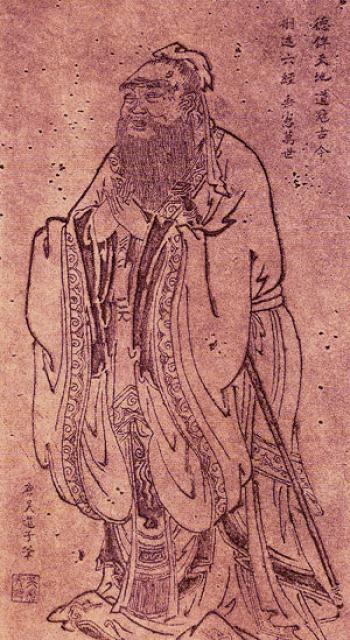
Tang dynasty portrait of Confucius, public domain via Wikimedia Commons.
Philosophy
Confucius
551 BC - 479 BC/🇨🇳 China
He taught that character is built by daily practice and that learning is a duty we owe each other. We build tools in that spirit, patiently and for the long run.
It does not matter how slowly you go as long as you do not stop.
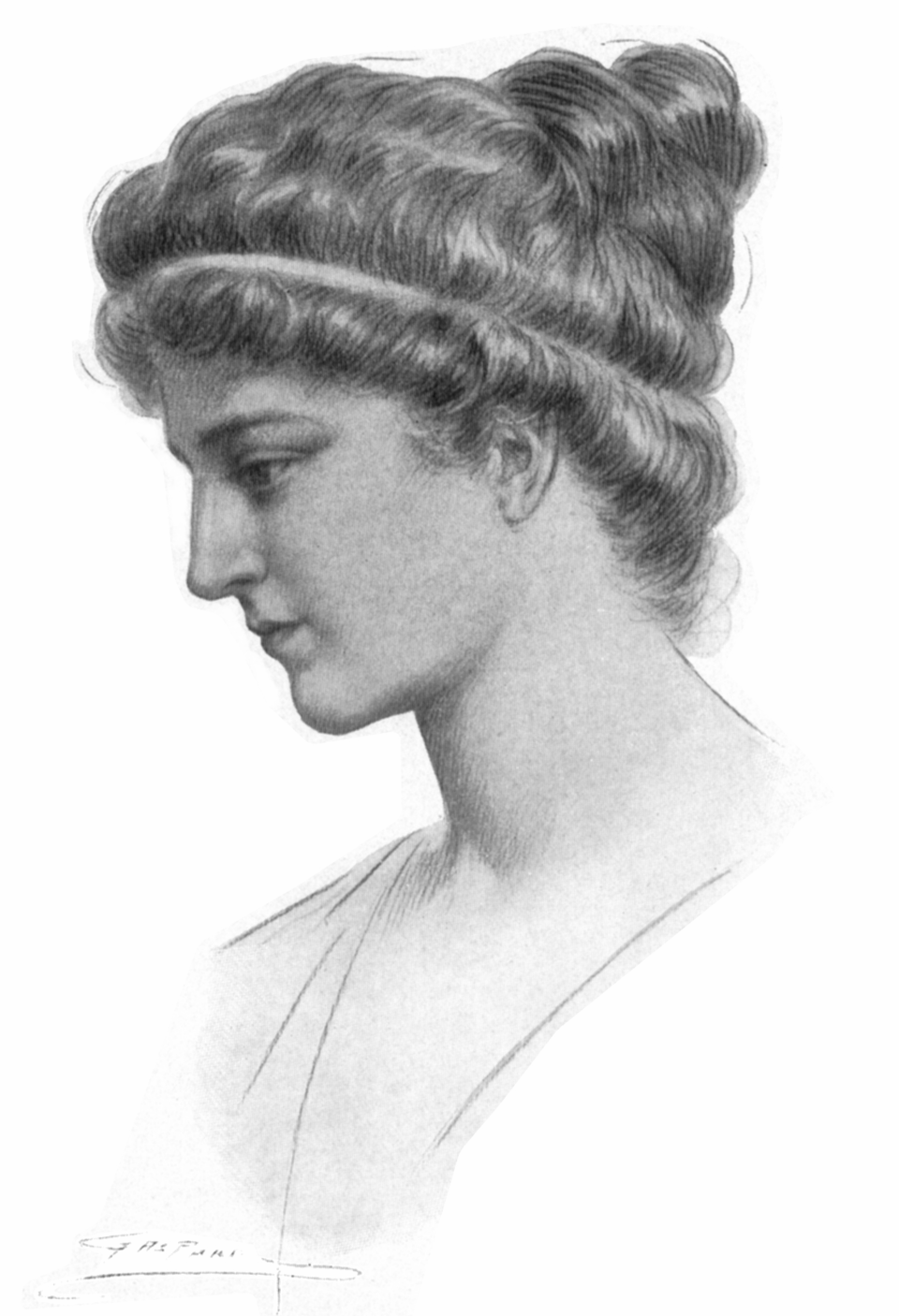
Idealized portrait of Hypatia, public domain via Wikimedia Commons.
Mathematics & astronomy
Hypatia
c. 360 - 415/🇪🇬 Egypt
She kept the light of inquiry burning in a hostile time and shared her knowledge openly. We honor teachers who make hard ideas usable by ordinary people.
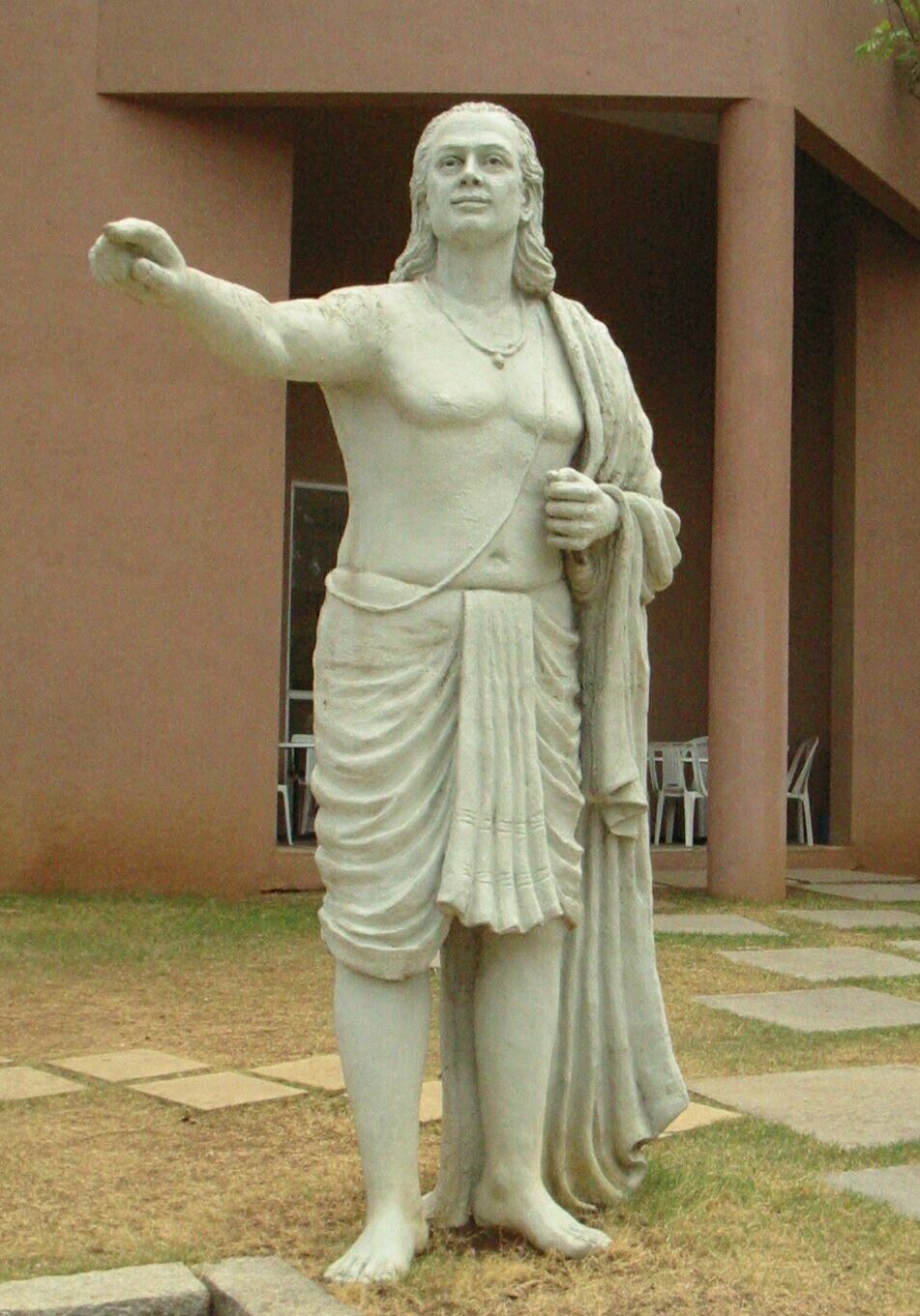
Statue of Aryabhata at IUCAA, Pune, photograph public domain via Wikimedia Commons.
Mathematics & astronomy
Aryabhata
476 - 550/🇮🇳 India
He rebuilt the sky from first principles with the simplest possible tools. That is the ingenuity we chase, doing more with less and owning the method end to end.
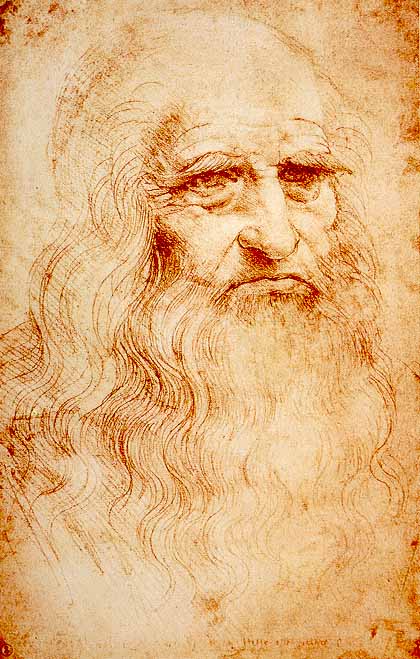
Presumed self-portrait of Leonardo da Vinci, public domain via Wikimedia Commons.
Art & invention
Leonardo da Vinci
1452 - 1519/🇮🇹 Italy
He refused the line between making and understanding, and he kept his own notebooks. We build for people who want to observe closely and own their own record.
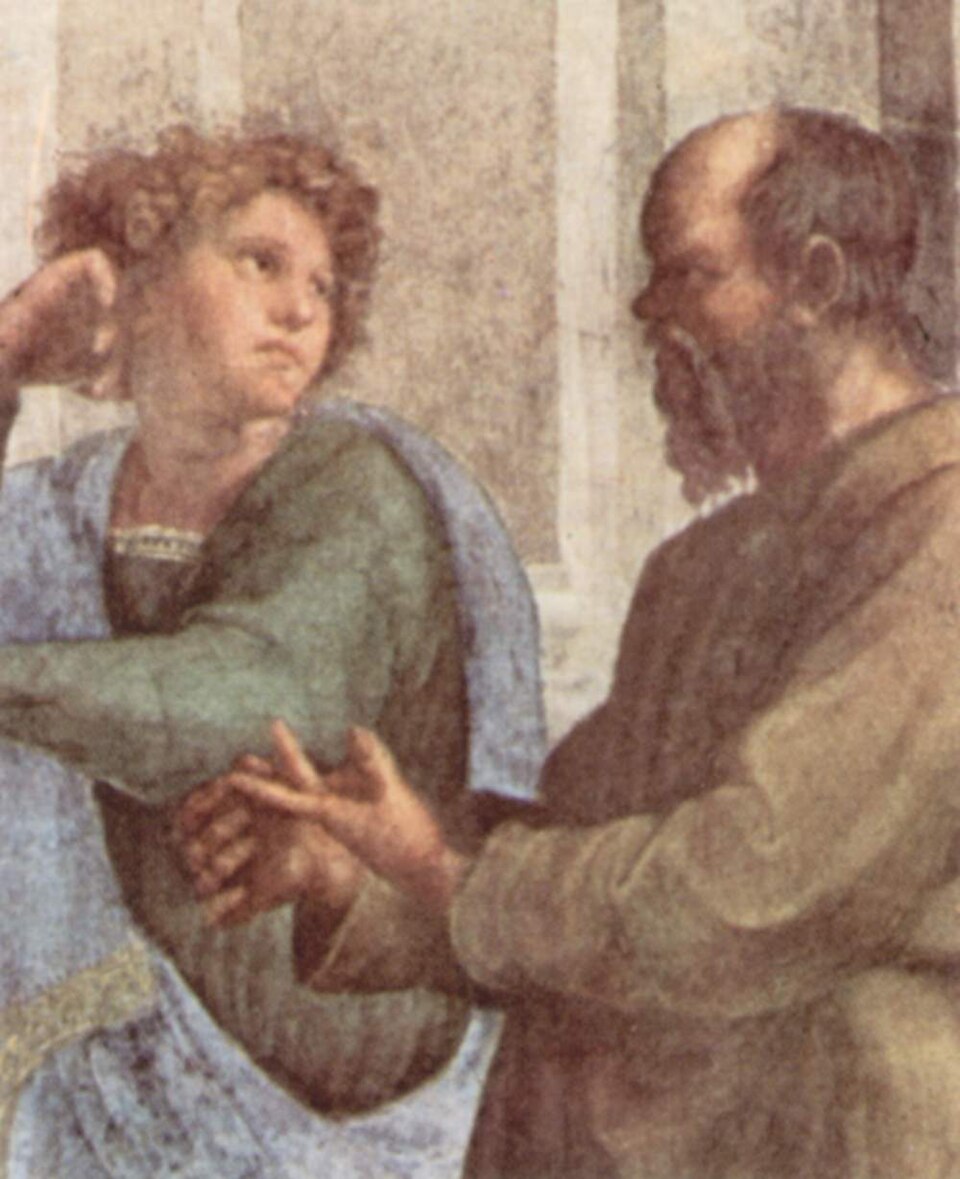
Self-portrait of Raphael, public domain via Wikimedia Commons.
Art & design
Raphael
1483 - 1520/🇮🇹 Italy
He made complex composition look effortless, which is the hardest kind of design. Clean and simple is a discipline, not a shortcut, and we hold ourselves to it.
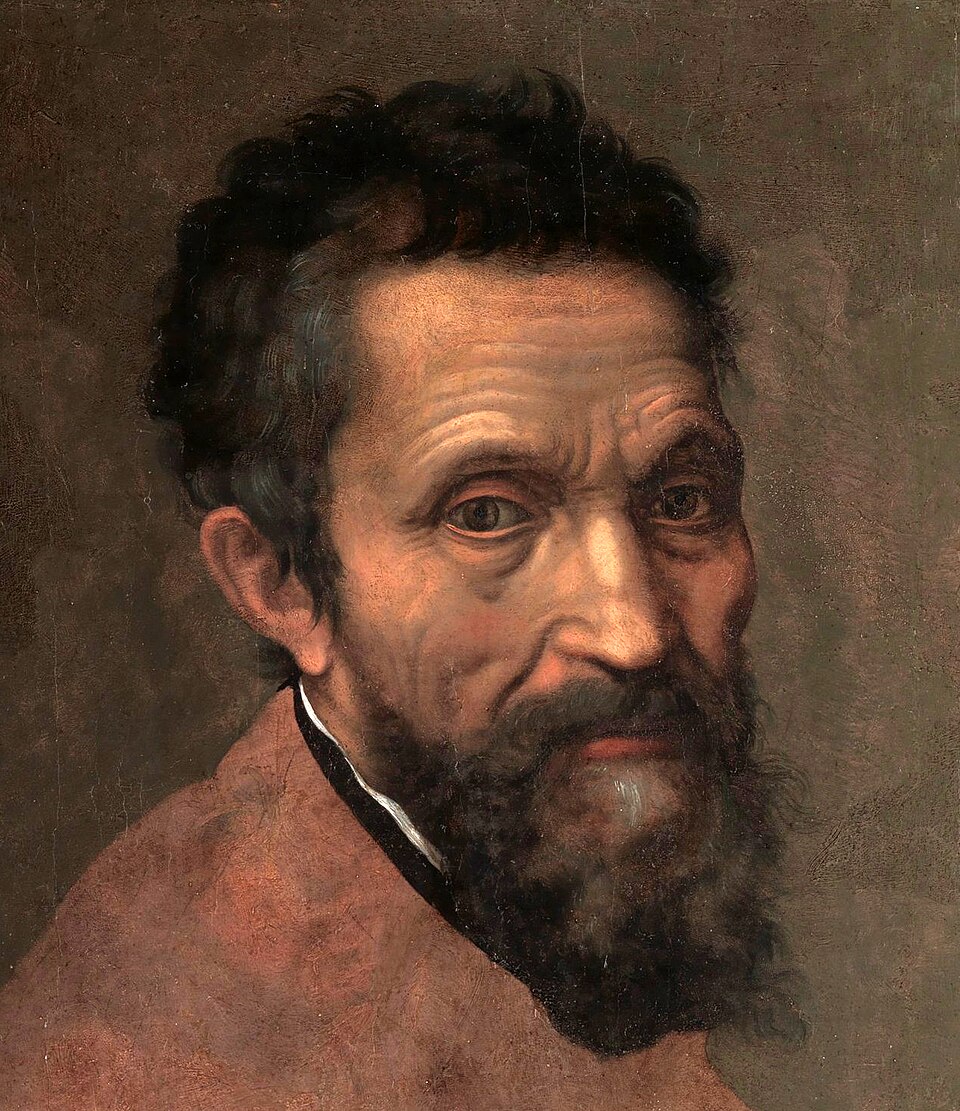
Portrait of Michelangelo by Daniele da Volterra, public domain via Wikimedia Commons.
Art & design
Michelangelo
1475 - 1564/🇮🇹 Italy
He said he simply removed everything that was not the statue, a lesson in relentless subtraction. We look up to makers who chase the essential and cut the rest.
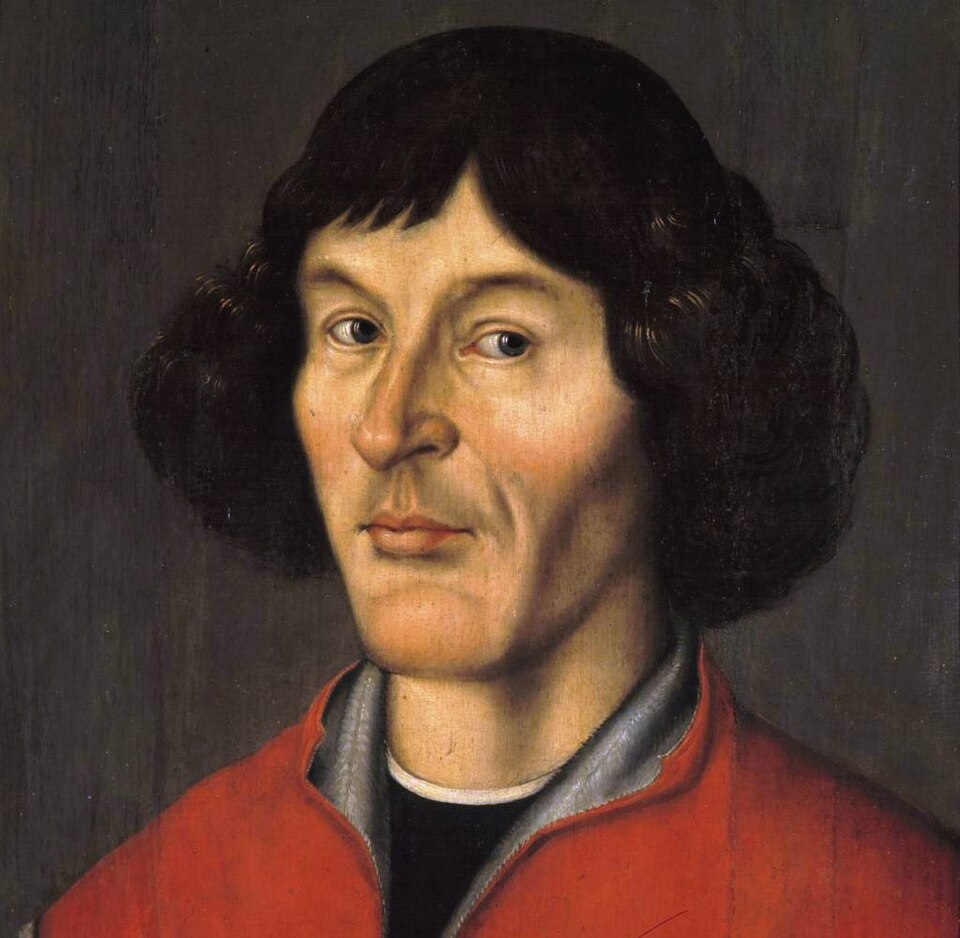
Portrait of Nicolaus Copernicus, public domain via Wikimedia Commons.
Astronomy
Nicolaus Copernicus
1473 - 1543/🇵🇱 Poland
He was willing to move the center of the world for the sake of the truth. We would rather be right and useful than comfortable and wrong.
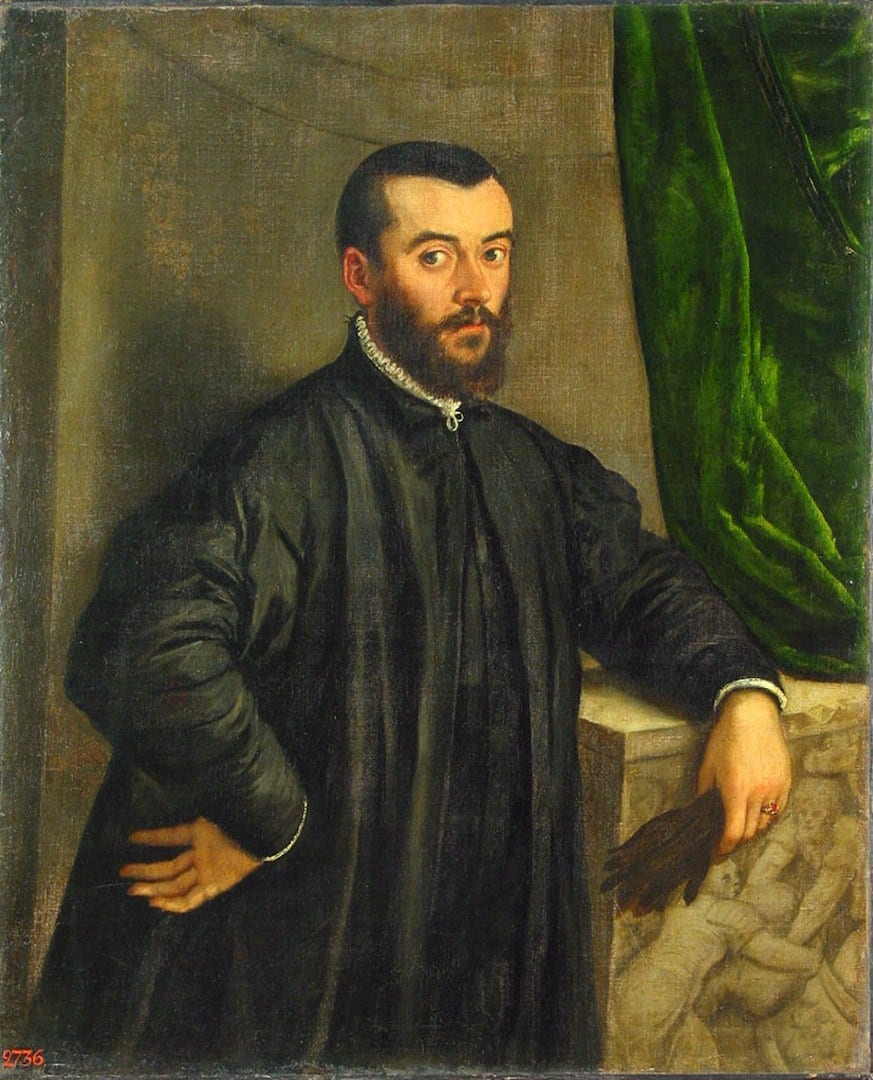
Portrait believed to be Andreas Vesalius, attributed to Jan van Calcar, public domain via Wikimedia Commons.
Anatomy & medicine
Andreas Vesalius
1514 - 1564/🇧🇪 Belgium
Vesalius dissected the human body himself instead of trusting old textbooks, and corrected centuries of received error. We prize the same habit: check reality directly, and never ask a person to simply trust a black box with their own data.
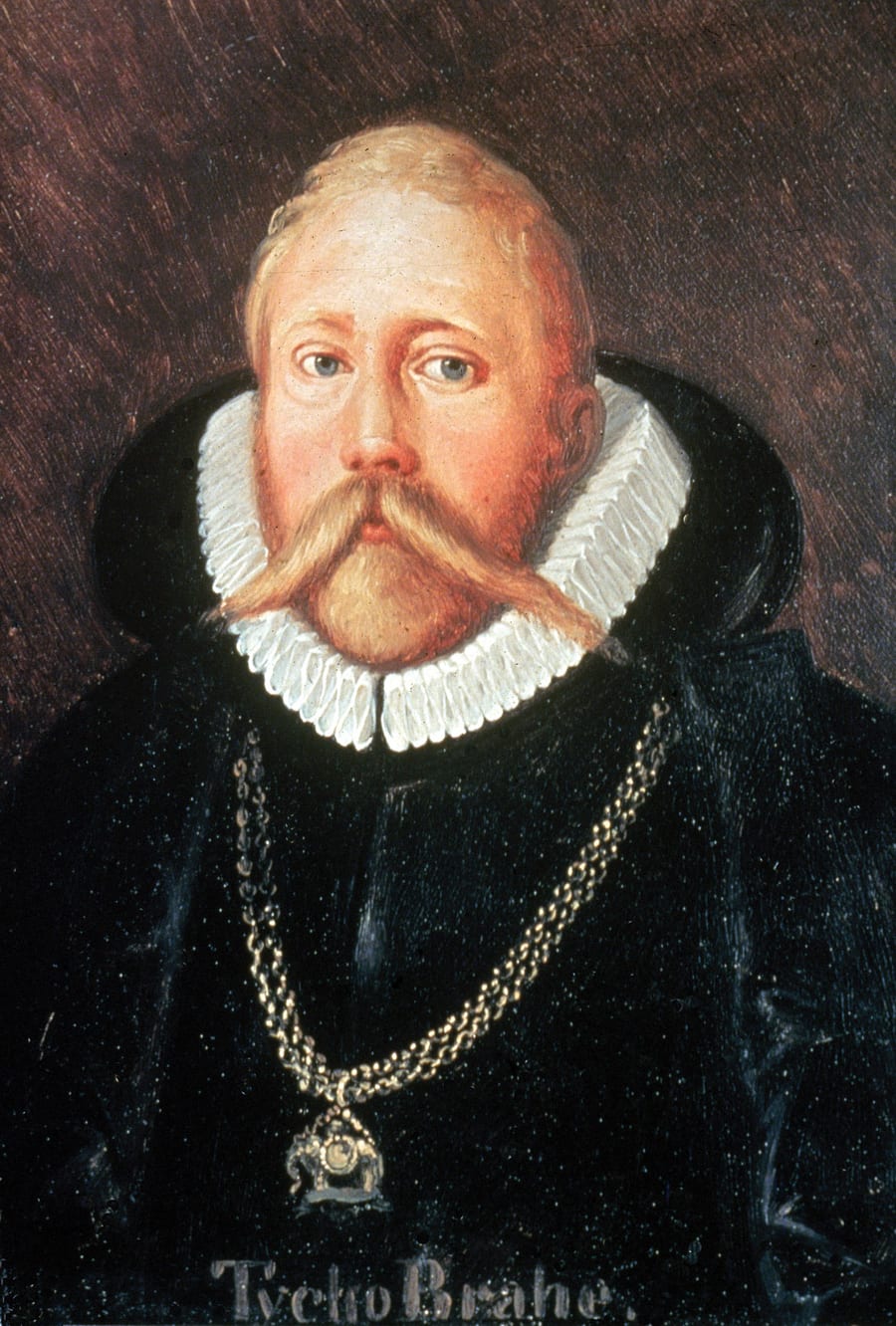
Portrait of Tycho Brahe, public domain via Wikimedia Commons.
Astronomy
Tycho Brahe
1546 - 1601/🇩🇰 Denmark
Brahe recorded the sky more precisely than anyone before him and handed that data to Kepler, who found the laws hidden inside it. We respect the unglamorous work of good data, and we believe the person who gathers it should decide who may use it.
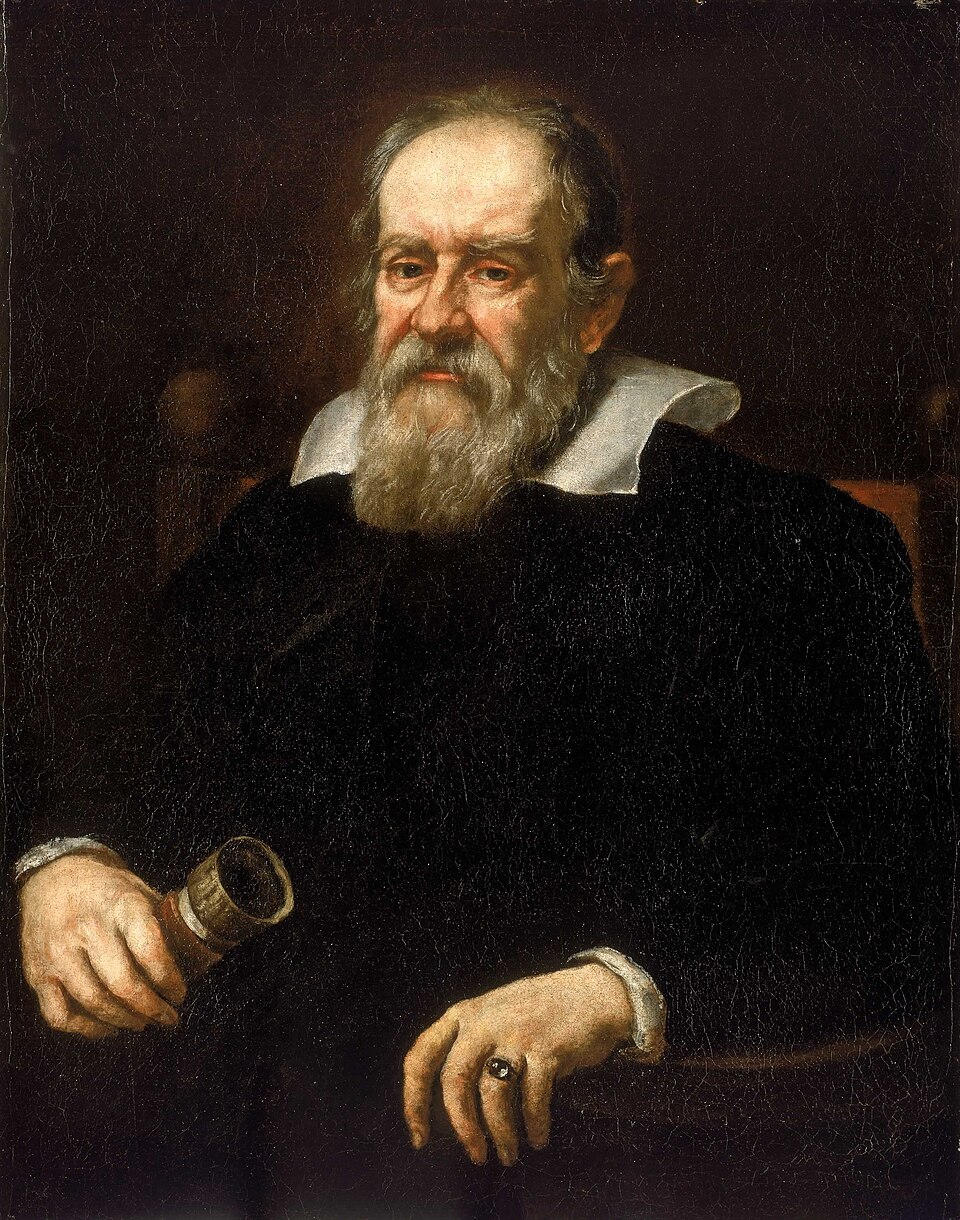
Portrait of Galileo Galilei by Justus Sustermans (1636), public domain via Wikimedia Commons.
Physics & astronomy
Galileo Galilei
1564 - 1642/🇮🇹 Italy
He trusted measurement over authority and paid for it. Consent-first and honesty-first, we build for people who deserve to see the evidence themselves.
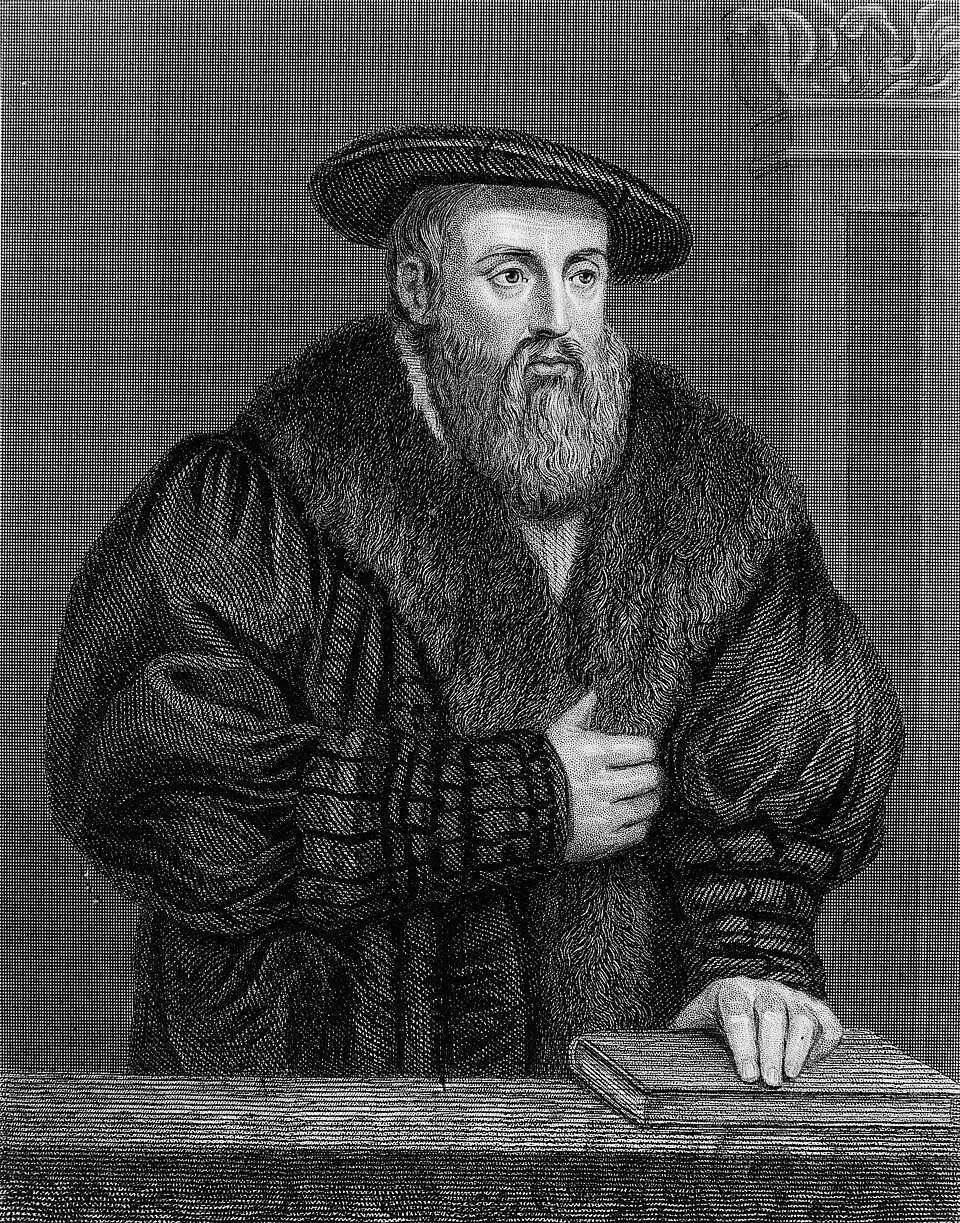
Portrait of Johannes Kepler, Wellcome Collection, public domain via Wikimedia Commons.
Astronomy
Johannes Kepler
1571 - 1630/🇩🇪 Germany
He fit the data honestly even when it broke the theory he loved. We prize that kind of discipline, letting reality edit the plan.
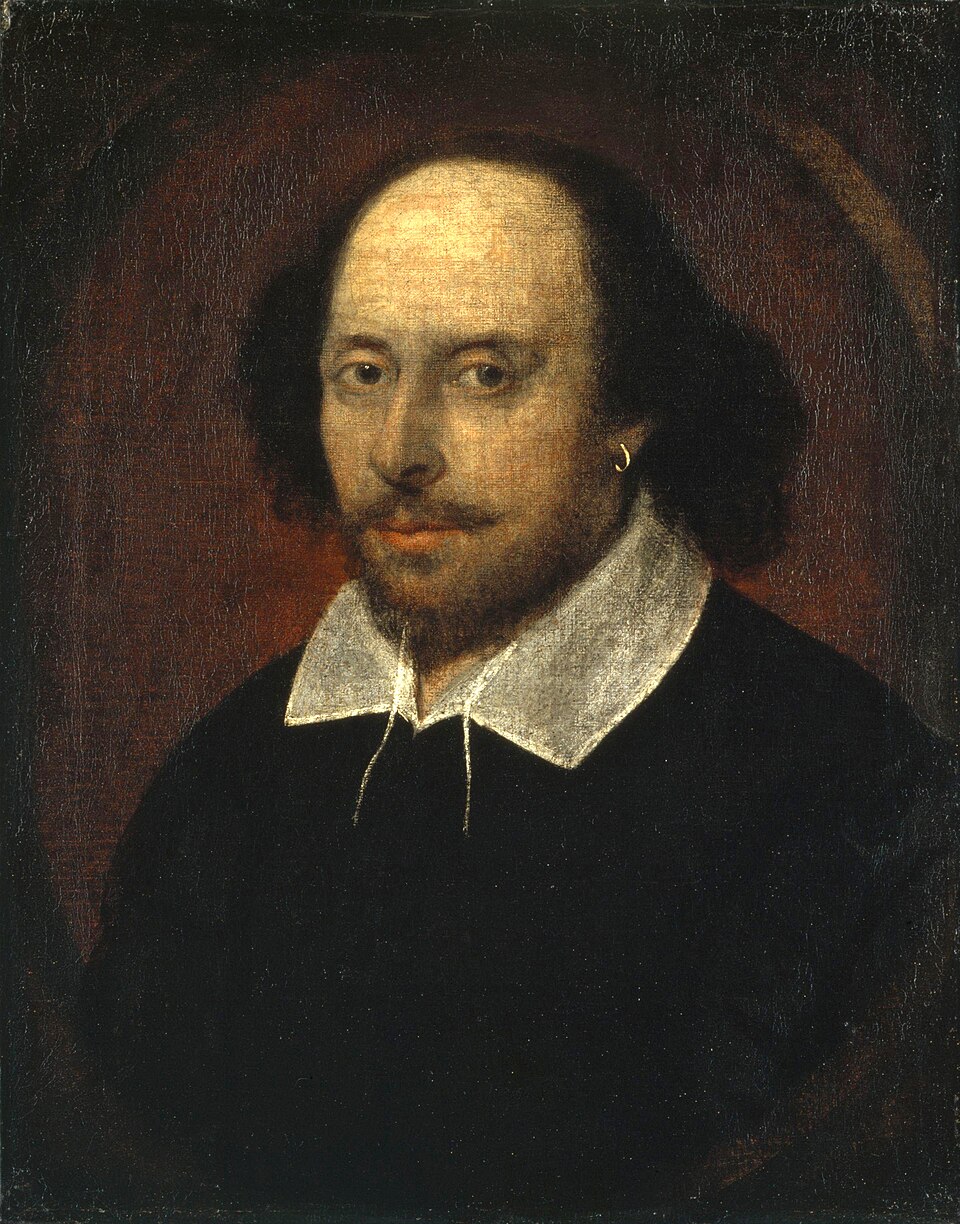
The Chandos portrait, attributed to John Taylor, public domain via Wikimedia Commons.
Literature & poetry
William Shakespeare
1564 - 1616/🇬🇧 United Kingdom
He gave ordinary people words for feelings they could not name before. Great tools do the same, they give you language and leverage that were not there yesterday.
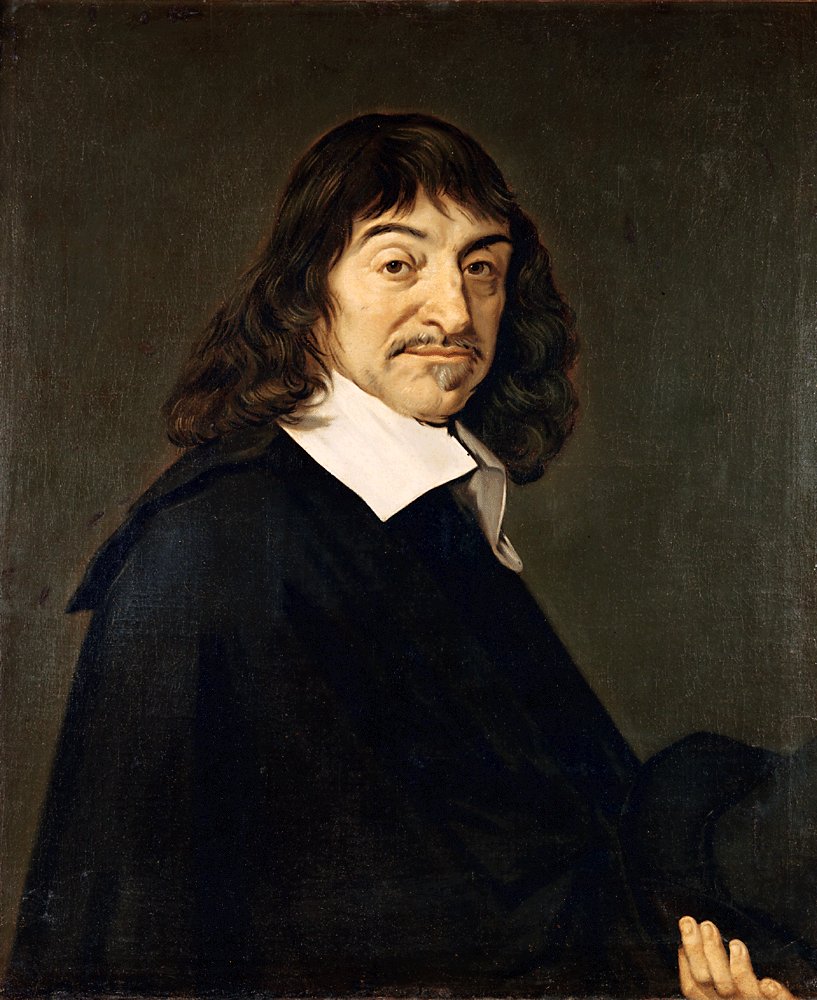
Portrait of Rene Descartes after Frans Hals, public domain via Wikimedia Commons.
Philosophy & mathematics
Rene Descartes
1596 - 1650/🇫🇷 France
He rebuilt knowledge from what he could actually be sure of. We build from first principles and verifiable evidence, not from received opinion.
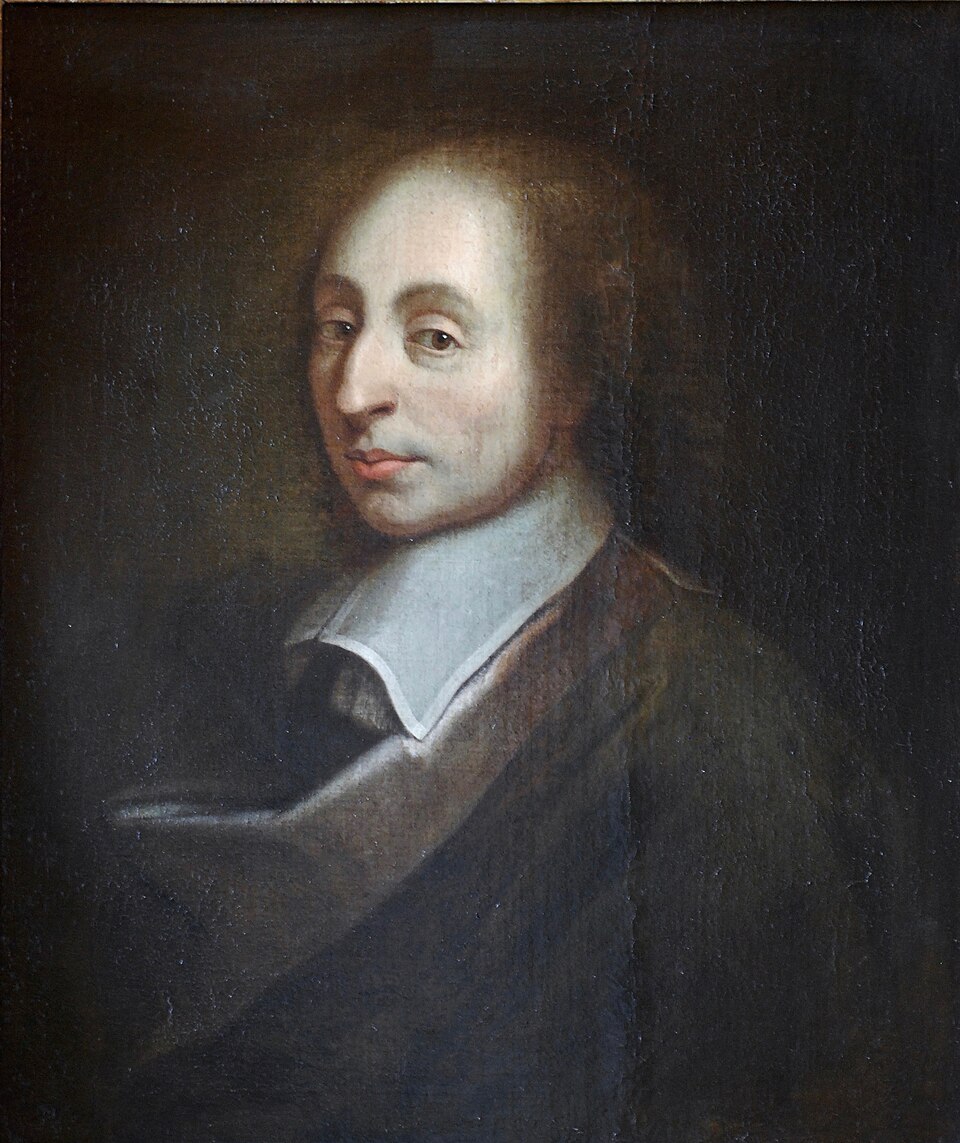
Portrait of Blaise Pascal, public domain via Wikimedia Commons.
Mathematics & invention
Blaise Pascal
1623 - 1662/🇫🇷 France
He built a machine to take drudgery off a human mind, which is exactly our aim. We want the computer to do the grinding so you can do the thinking.
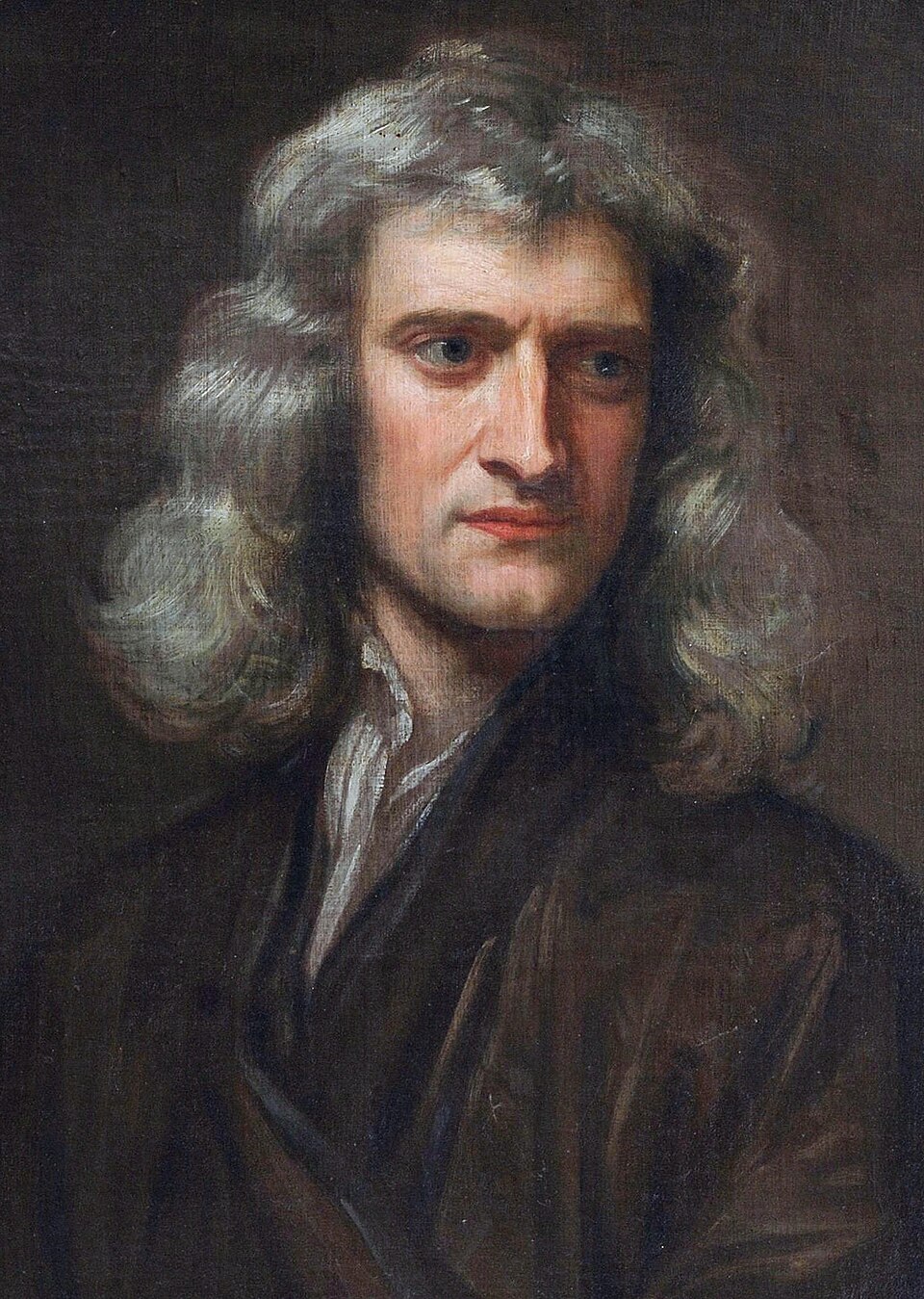
Portrait of Isaac Newton by Godfrey Kneller (1689), public domain via Wikimedia Commons.
Physics & mathematics
Isaac Newton
1643 - 1727/🇬🇧 United Kingdom
He said he saw further by standing on the shoulders of giants, and then he built the shoulders for everyone after him. We try to leave tools that others can stand on.
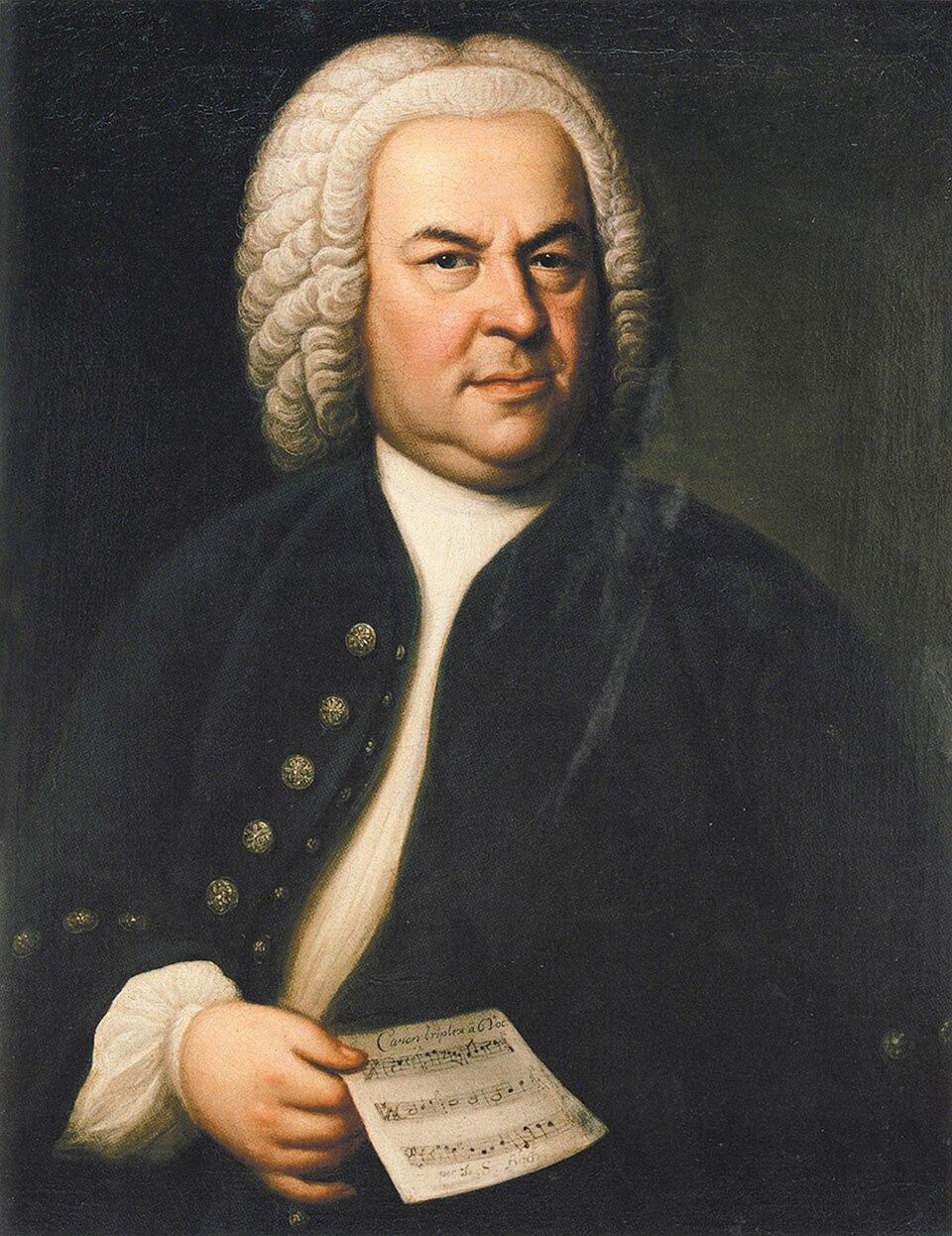
Portrait of J. S. Bach by Elias Gottlob Haussmann, public domain via Wikimedia Commons.
Music
Johann Sebastian Bach
1685 - 1750/🇩🇪 Germany
He proved that rigorous structure and deep feeling are the same thing, not opposites. Well-built systems can be beautiful, and we aim for both.
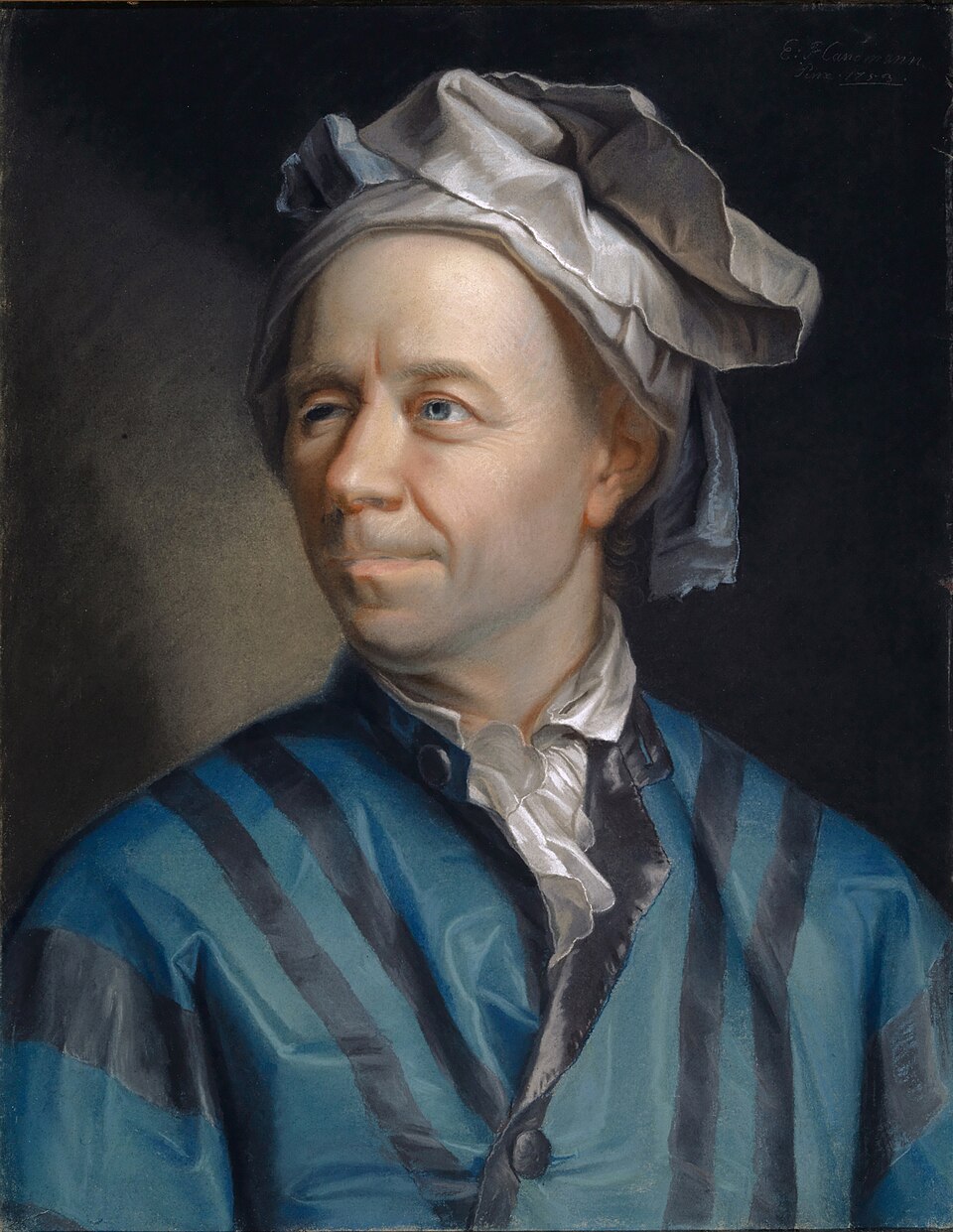
Portrait of Leonhard Euler by Jakob Emanuel Handmann, public domain via Wikimedia Commons.
Mathematics
Leonhard Euler
1707 - 1783/🇨🇭 Switzerland
He kept producing clear, reusable work even after losing his sight. Small, self-contained pieces that anyone can pick up and use are the code we want to write.
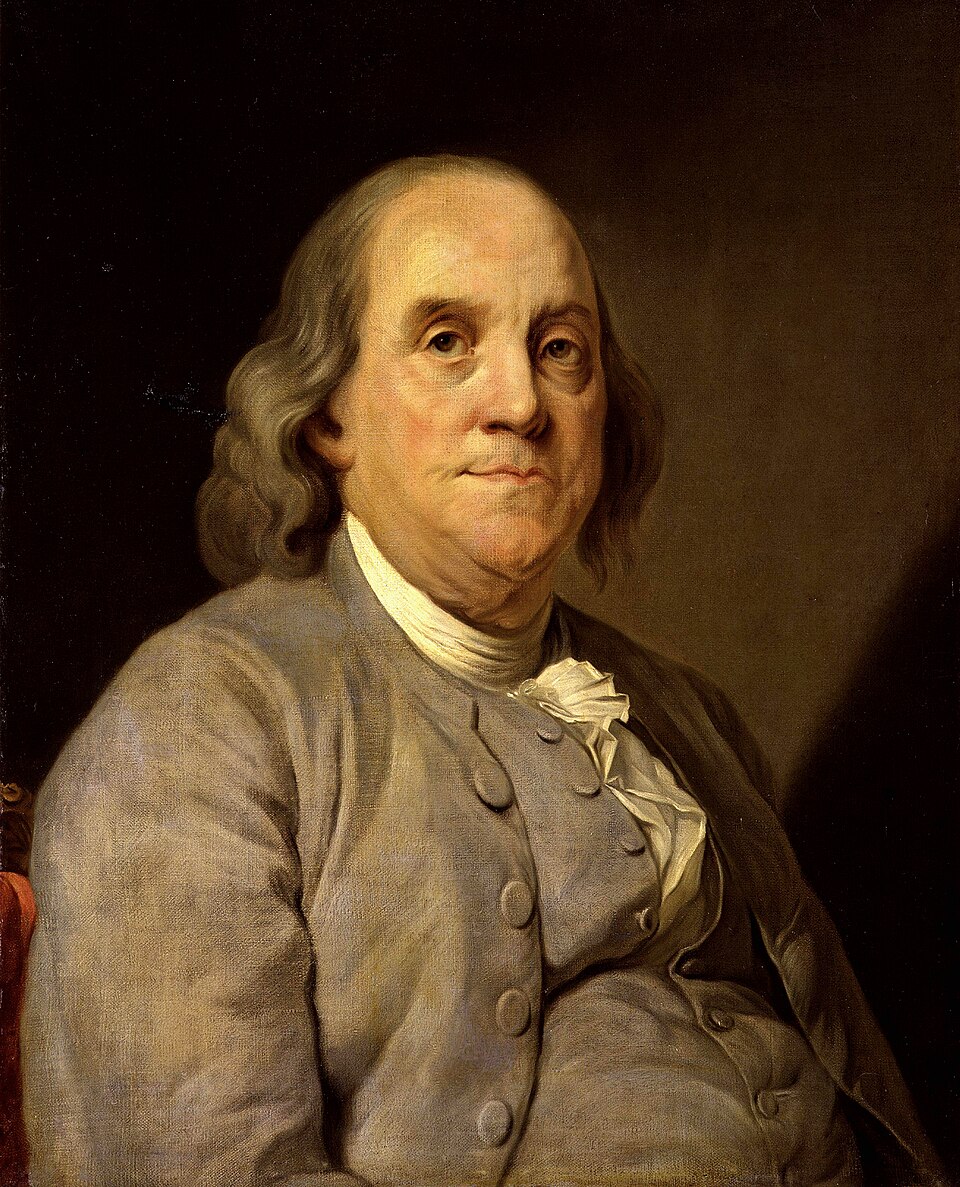
Portrait of Benjamin Franklin by Joseph Duplessis, public domain via Wikimedia Commons.
Invention & statecraft
Benjamin Franklin
1706 - 1790/🇺🇸 United States
He was a working craftsman who gave his inventions away for the public good. Build in the open, serve people, and let the value speak, that is our aim too.
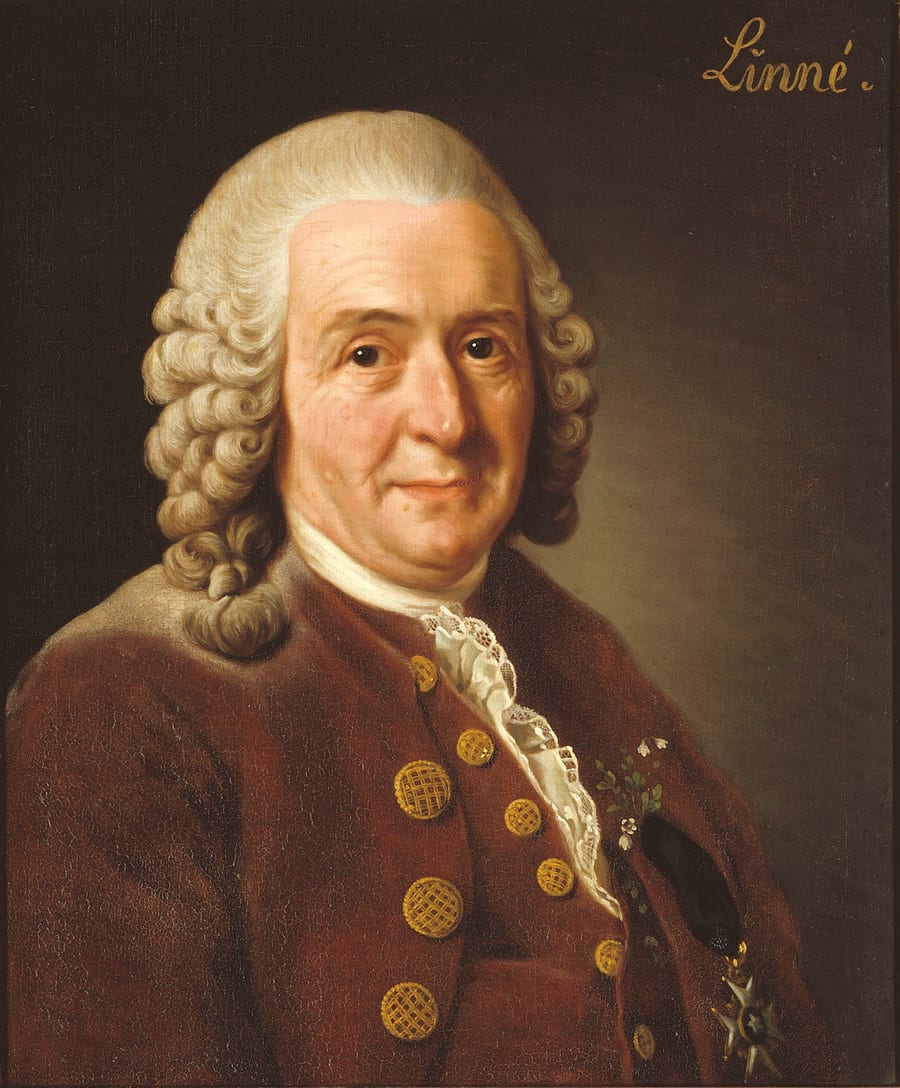
Portrait of Carl Linnaeus by Alexander Roslin, public domain via Wikimedia Commons.
Natural history & taxonomy
Carl Linnaeus
1707 - 1778/🇸🇪 Sweden
Linnaeus gave the living world a shared naming system so anyone could find their place in it. Good structure is a kindness, and we try to organize a person's data the same way: legible, consistent, and theirs to browse.
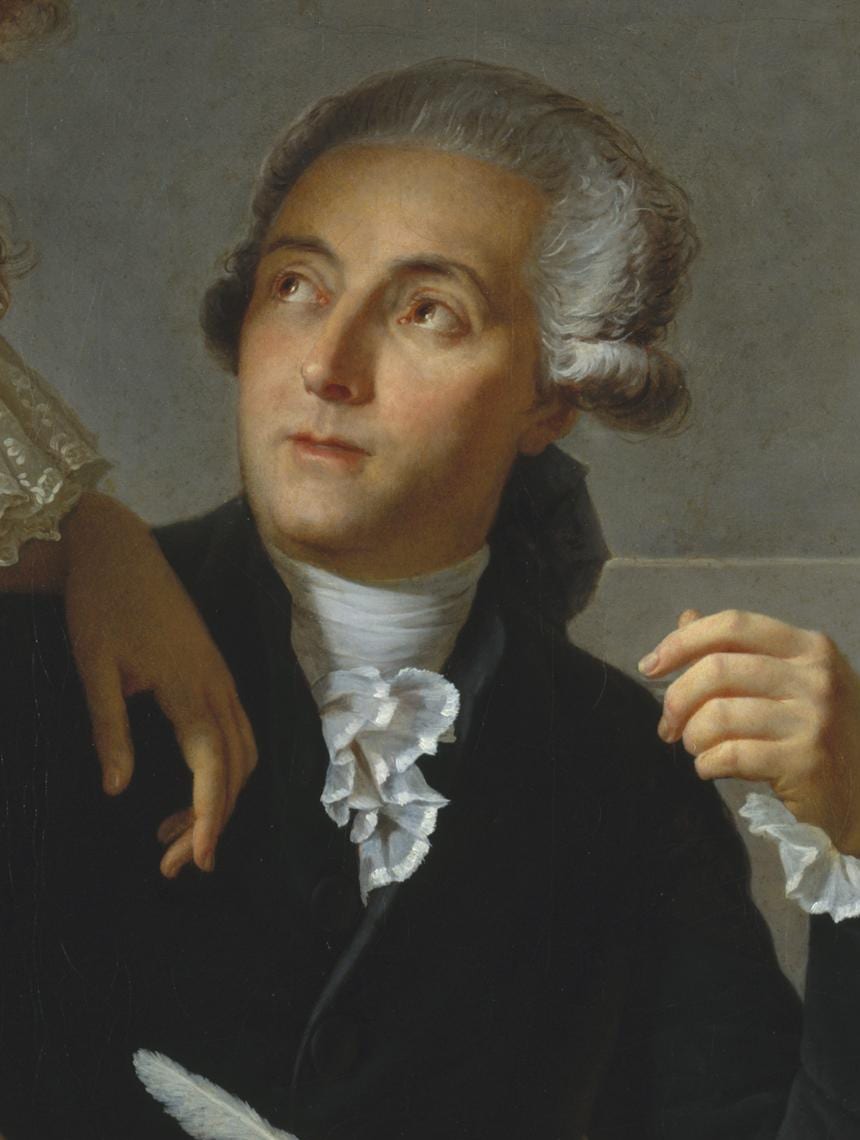
Portrait of Antoine Lavoisier by Jacques-Louis David, public domain via Wikimedia Commons.
Chemistry
Antoine Lavoisier
1743 - 1794/🇫🇷 France
Lavoisier turned chemistry into careful measurement and named what he found in plain terms. We share his belief that you earn trust by measuring honestly and by calling things what they are, especially with someone's private data.
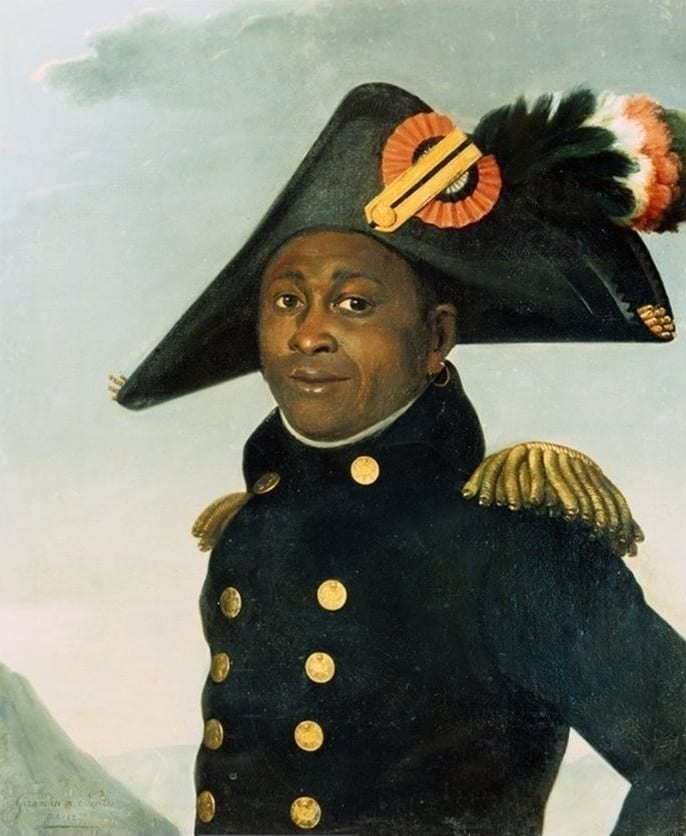
Engraving of Toussaint Louverture after Girardin, public domain via Wikimedia Commons.
Liberation & human rights
Toussaint Louverture
c. 1743 - 1803/🇭🇹 Haiti
Toussaint led enslaved people to own themselves and their own labor. Ownership is the whole point of our work too: your AI, your data, and your compute, held by you and no one else.
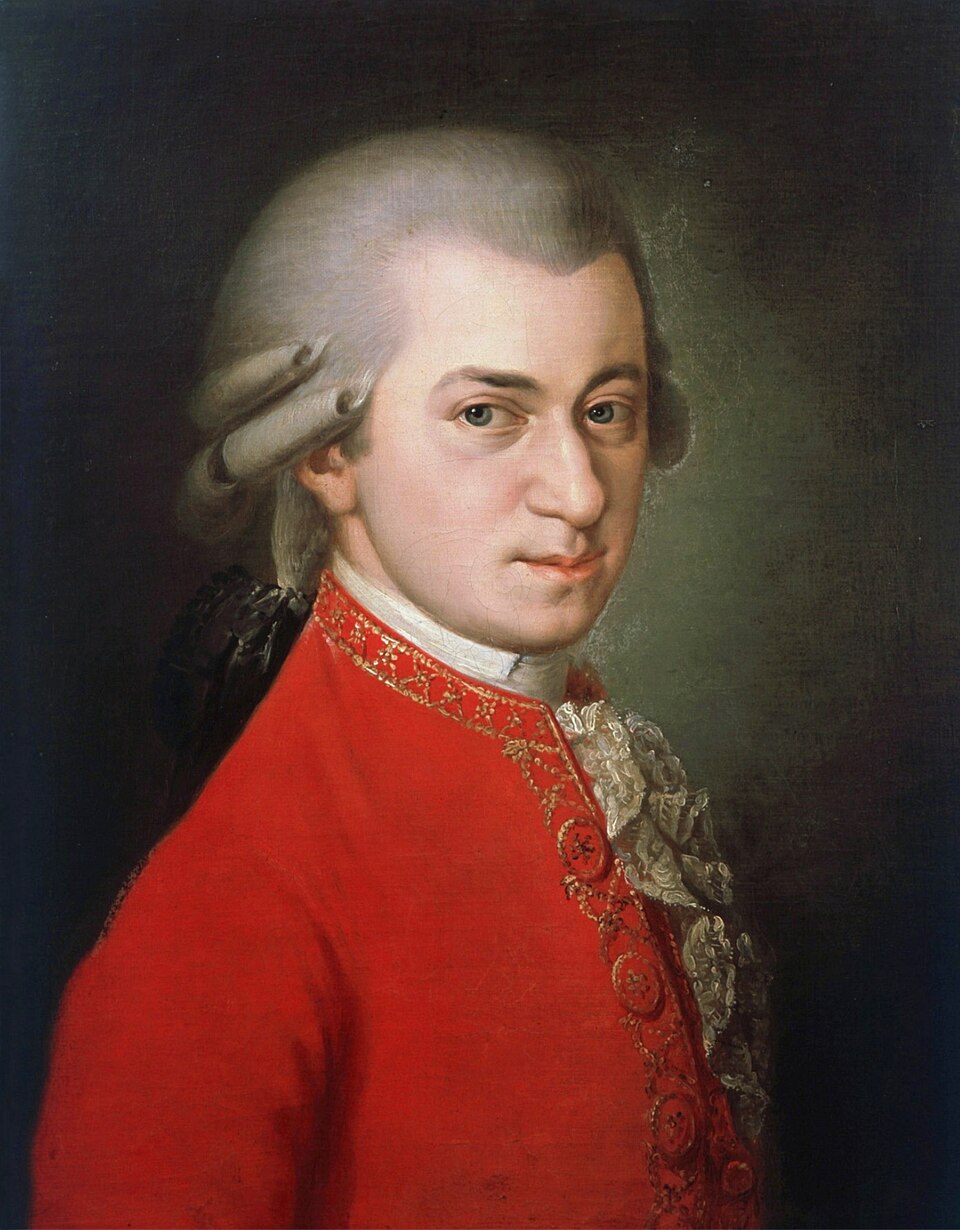
Posthumous portrait of Mozart by Barbara Krafft, public domain via Wikimedia Commons.
Music
Wolfgang Amadeus Mozart
1756 - 1791/🇦🇹 Austria
He made the intricate feel inevitable and simple, which is the whole game in design. The devil is in the details, and he lived there.
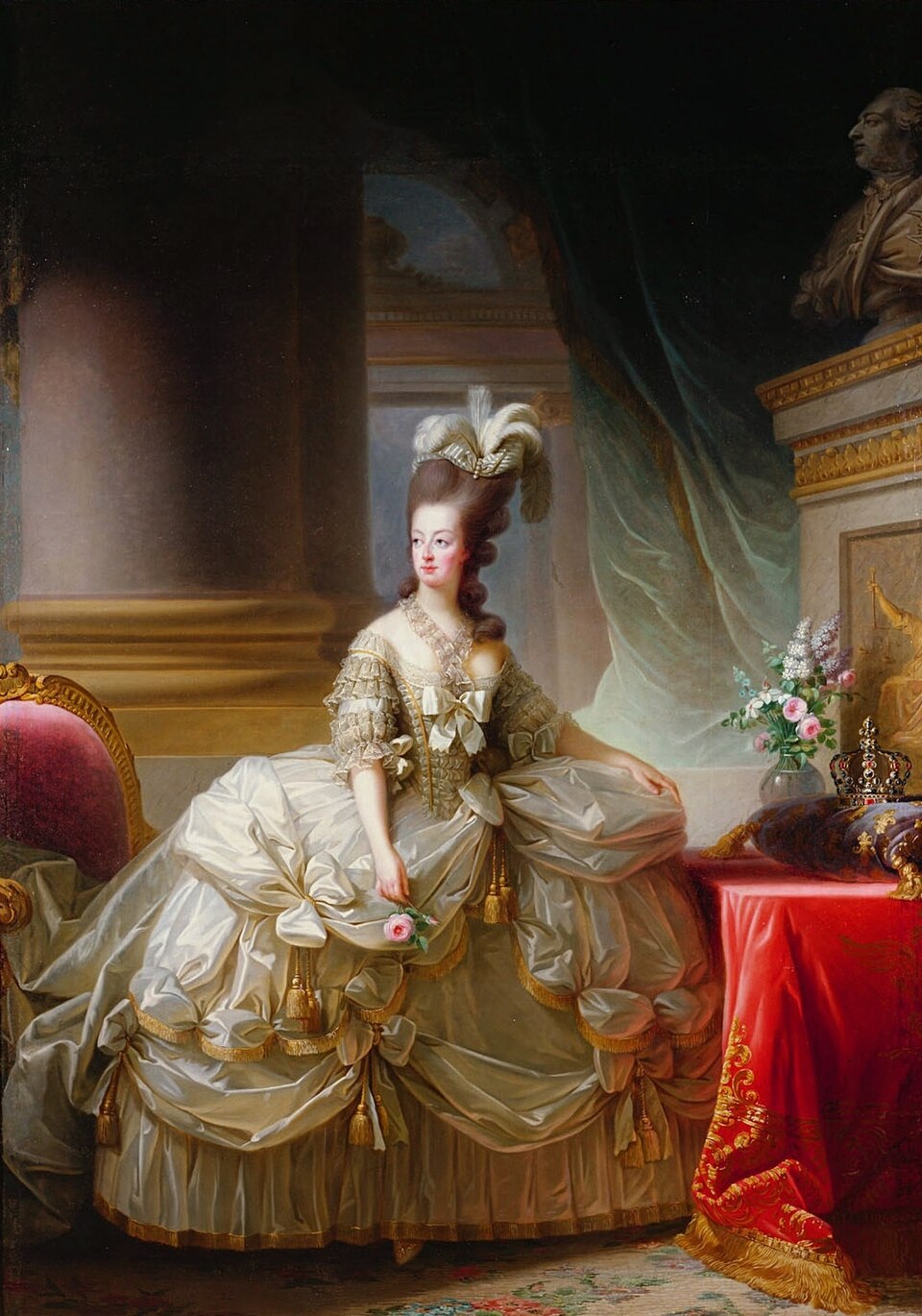
Portrait of Marie Antoinette after Elisabeth Vigee Le Brun, public domain via Wikimedia Commons.
History
Marie Antoinette
1755 - 1793/🇫🇷 France
Her story is a permanent reminder that the people you serve can never be an afterthought. We keep the human we serve at the center, always.
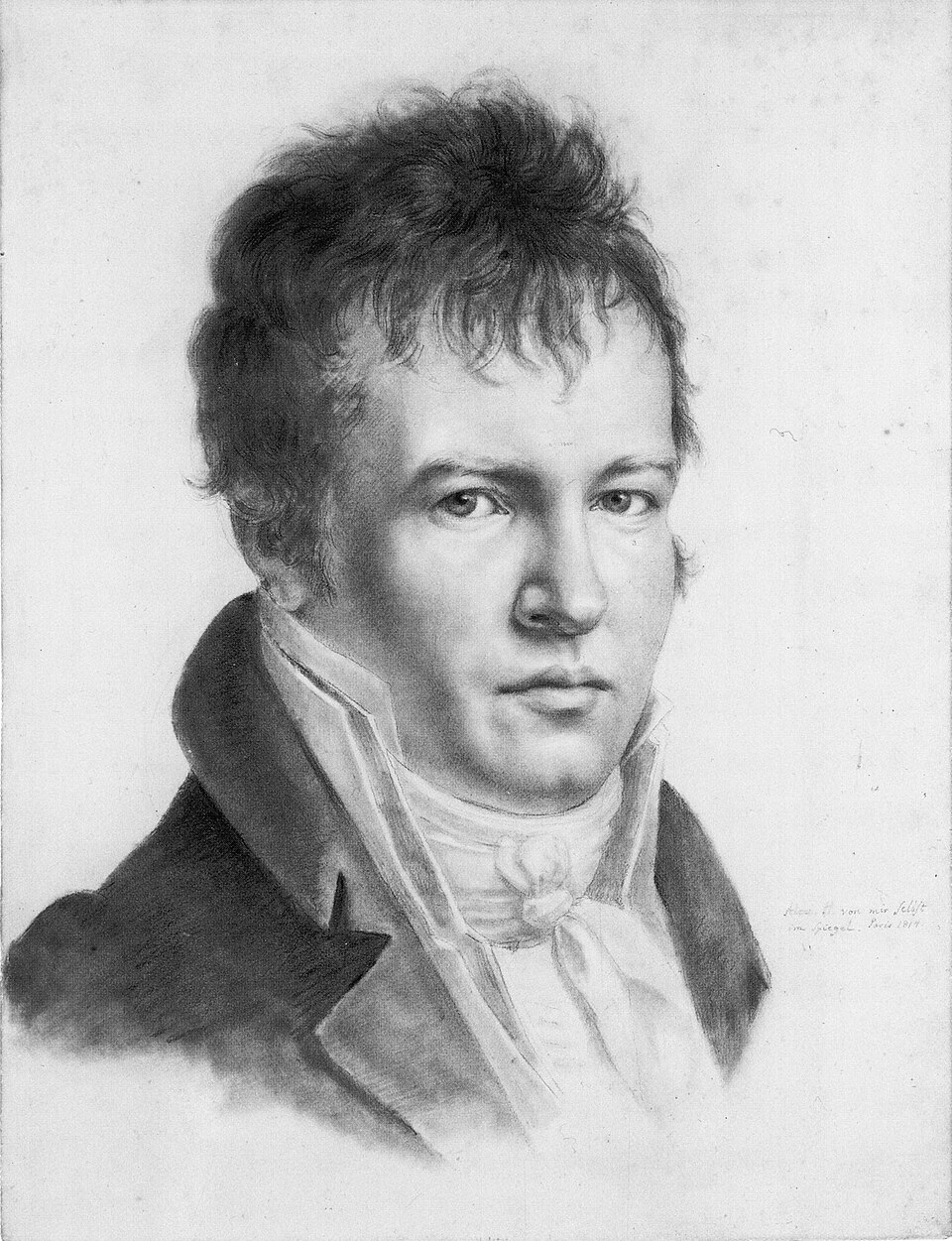
Self-portrait of Alexander von Humboldt, public domain via Wikimedia Commons.
Exploration & science
Alexander von Humboldt
1769 - 1859/🇩🇪 Germany
He connected fields nobody thought to connect and shared the data with the world. Systems thinking in service of everyone is exactly the work we admire.
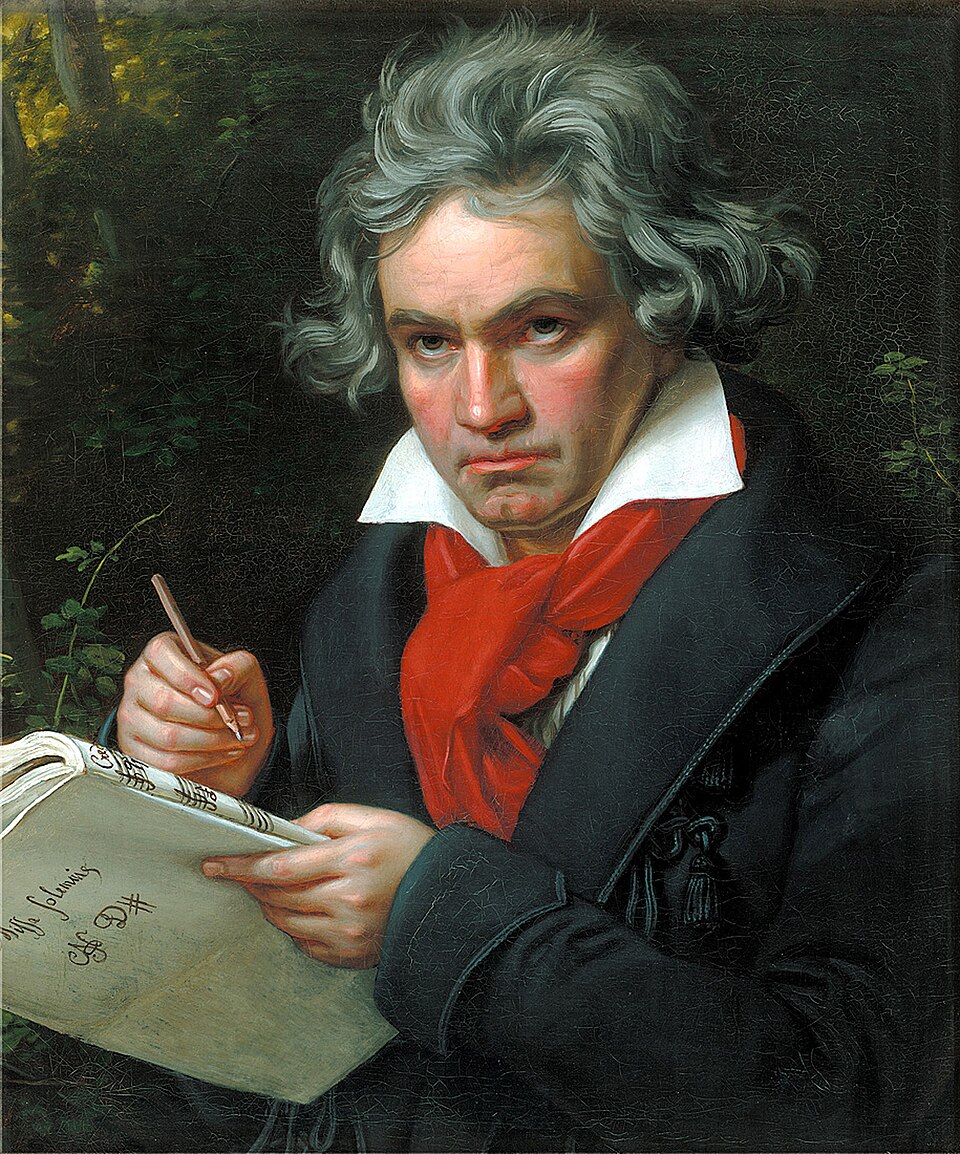
Portrait of Beethoven by Joseph Karl Stieler, public domain via Wikimedia Commons.
Music
Ludwig van Beethoven
1770 - 1827/🇩🇪 Germany
He kept building after losing the one sense his craft seemed to require. Constraints are a design brief, not an excuse, and he proved it.
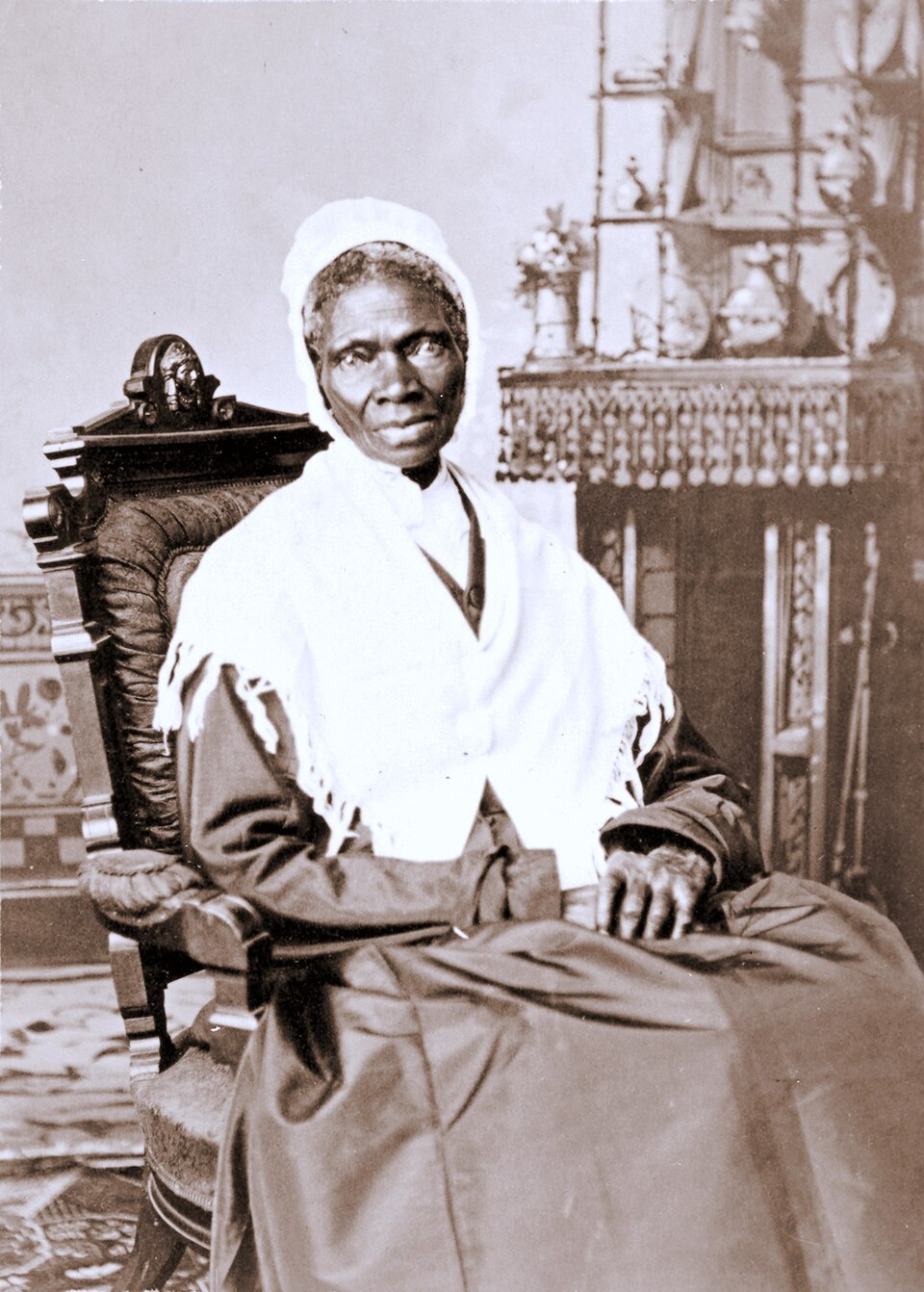
Photograph of Sojourner Truth (c. 1870), public domain via Wikimedia Commons.
Human rights
Sojourner Truth
c. 1797 - 1883/🇺🇸 United States
She turned her own dignity into a case the whole country had to answer. We stand for the individual's rights and their right to be heard.
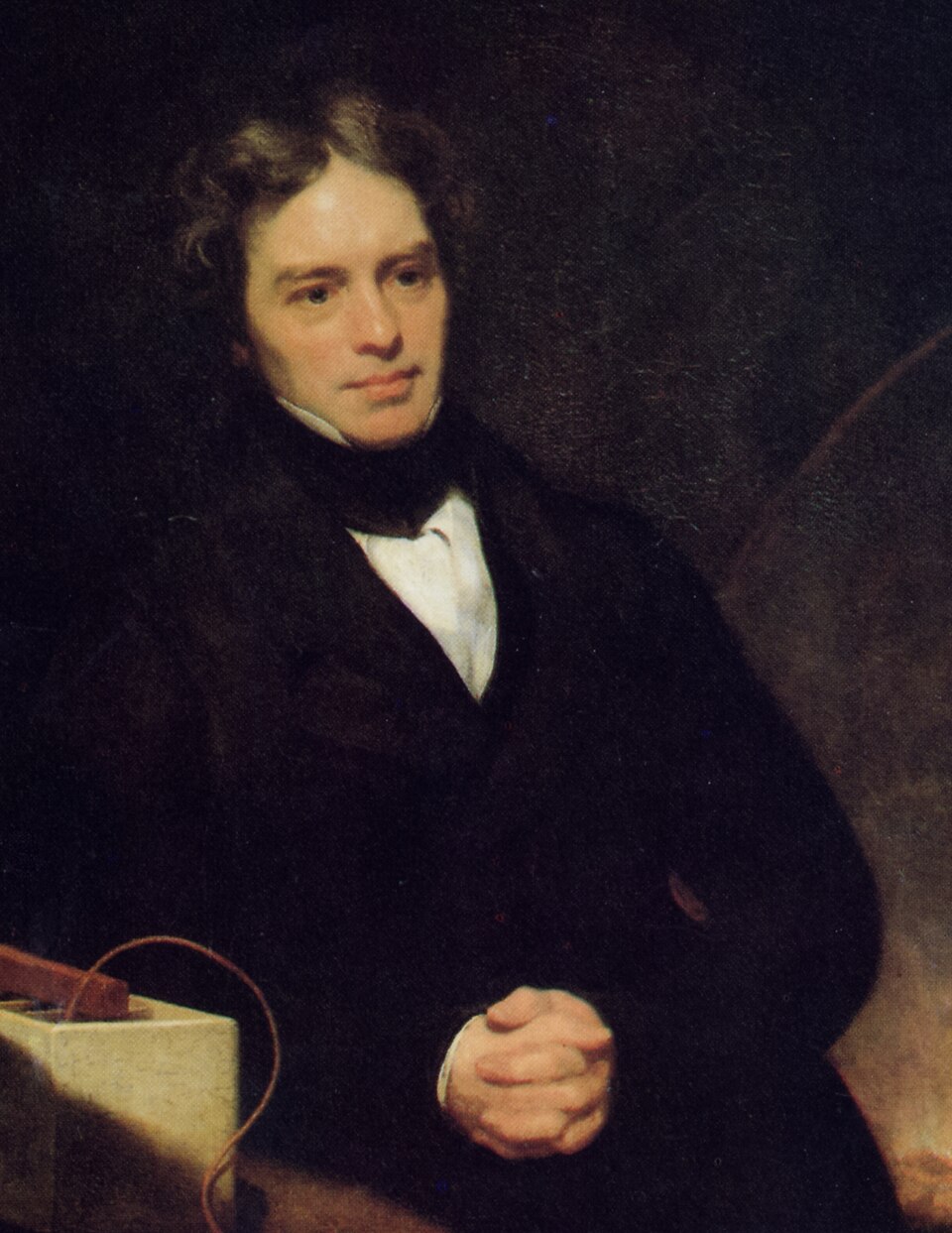
Portrait of Michael Faraday by Thomas Phillips (1842), public domain via Wikimedia Commons.
Physics & chemistry
Michael Faraday
1791 - 1867/🇬🇧 United Kingdom
A bookbinder's apprentice became one of the great experimenters through sheer curiosity and open lectures. We want tools that let anyone teach themselves.
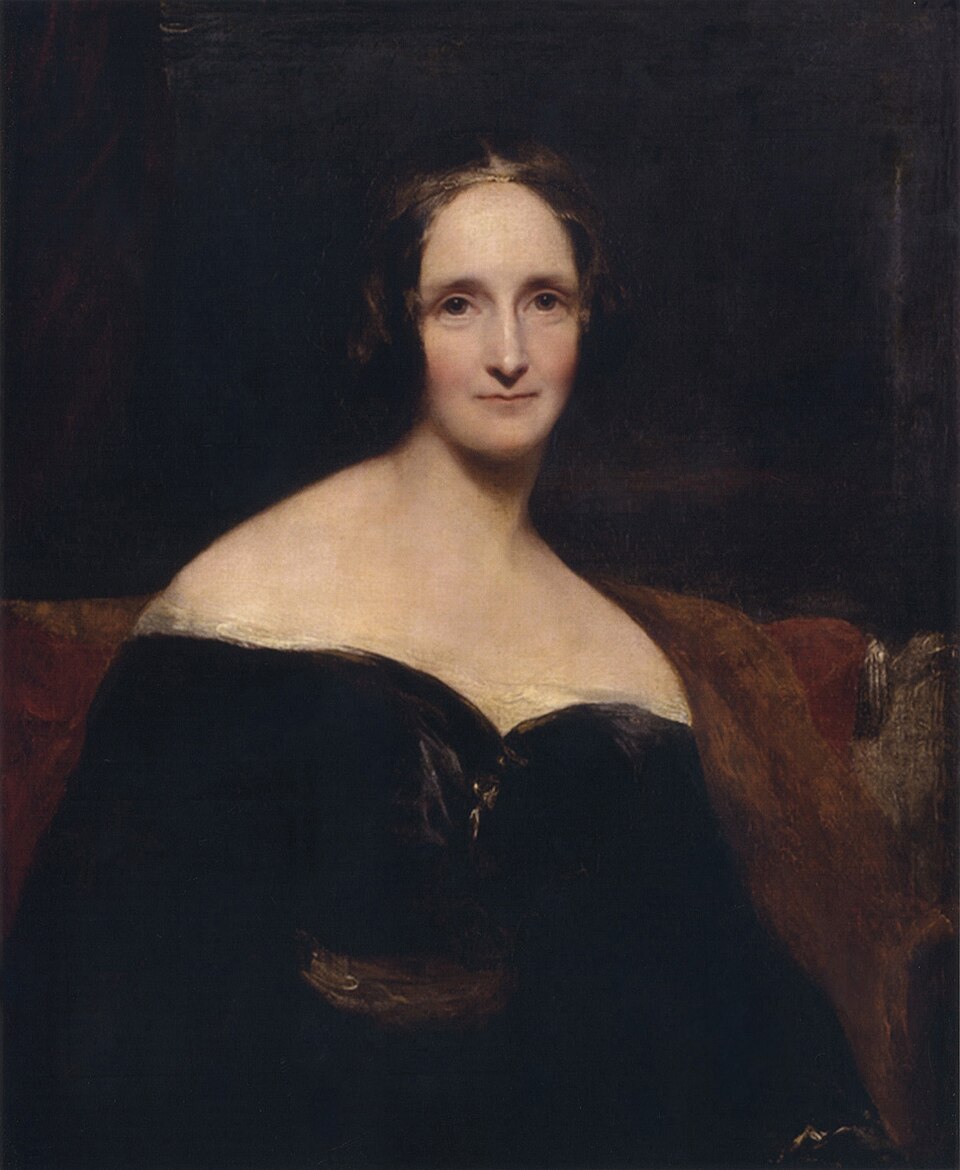
Portrait of Mary Shelley by Richard Rothwell, public domain via Wikimedia Commons.
Literature
Mary Shelley
1797 - 1851/🇬🇧 United Kingdom
At a young age she asked what we owe the things we create, a question every builder should carry. We take responsibility for the tools we bring into the world.
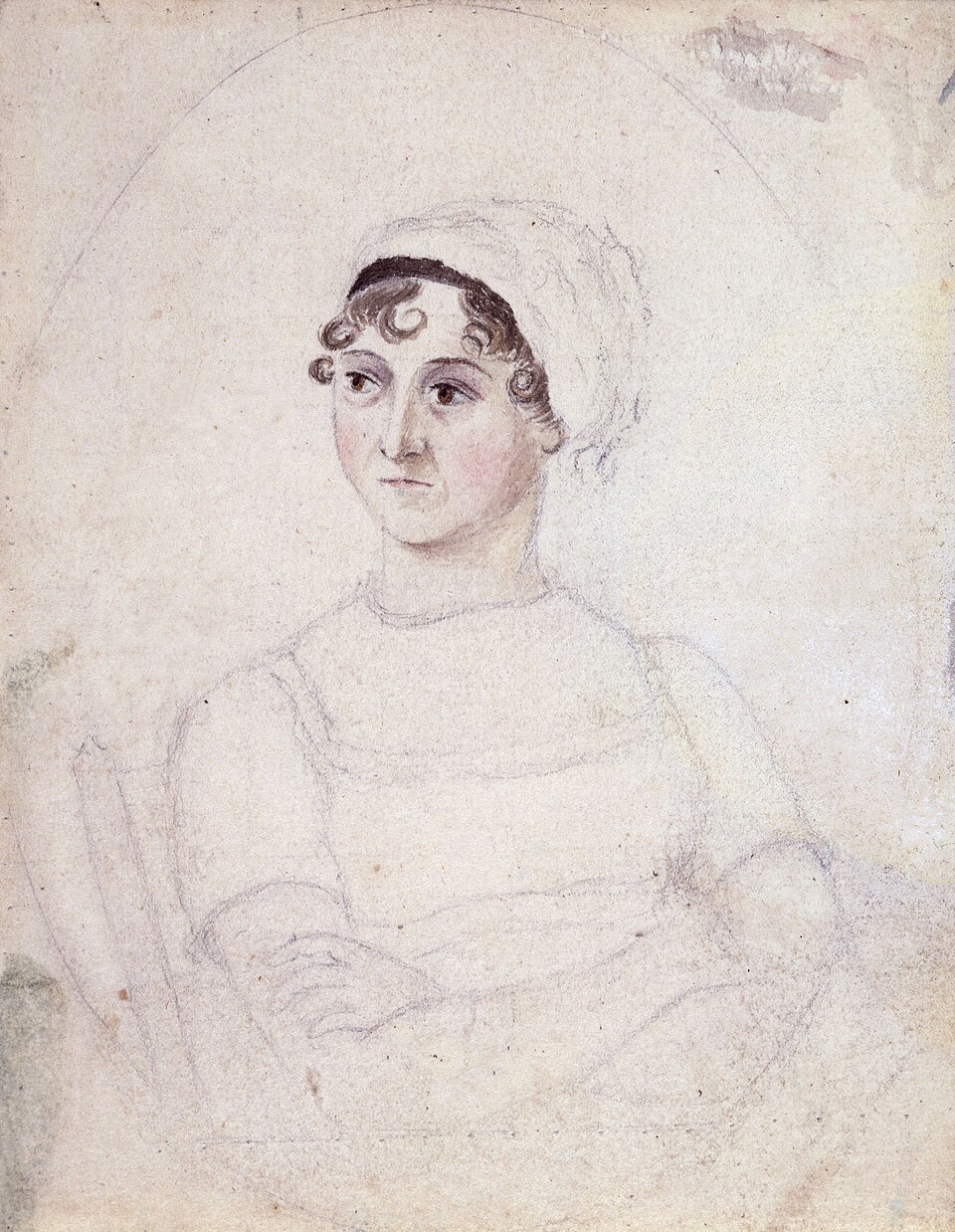
Portrait of Jane Austen by Cassandra Austen (c. 1810), public domain via Wikimedia Commons.
Literature
Jane Austen
1775 - 1817/🇬🇧 United Kingdom
She saw people clearly and wrote them honestly, with respect and a sharp eye. Knowing the human you serve that well is the whole point of what we build.
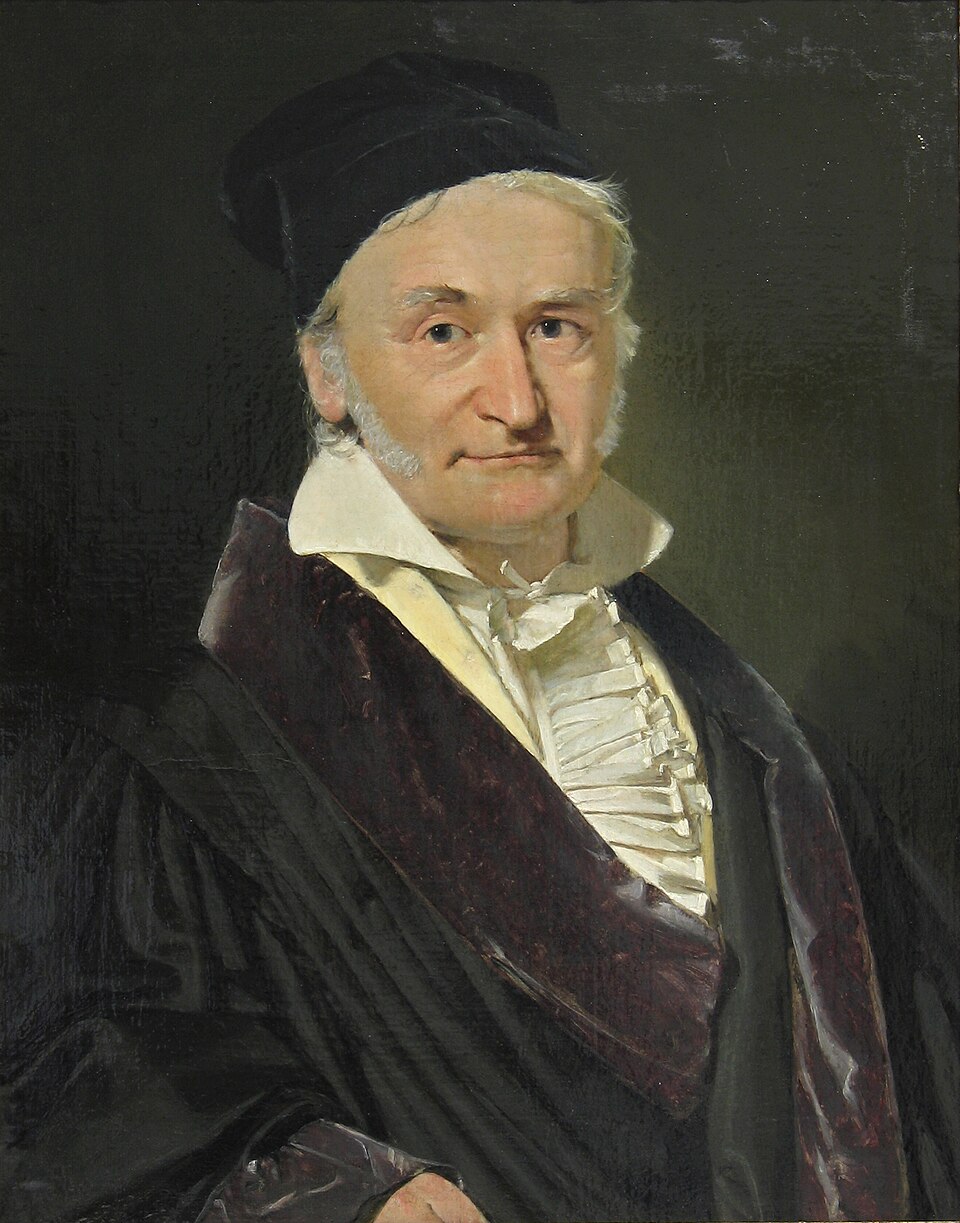
Portrait of Carl Friedrich Gauss by Christian Albrecht Jensen, public domain via Wikimedia Commons.
Mathematics
Carl Friedrich Gauss
1777 - 1855/🇩🇪 Germany
He would not publish until a result was finished and clean, few but ripe. We would rather ship one thing that truly works than ten that almost do.
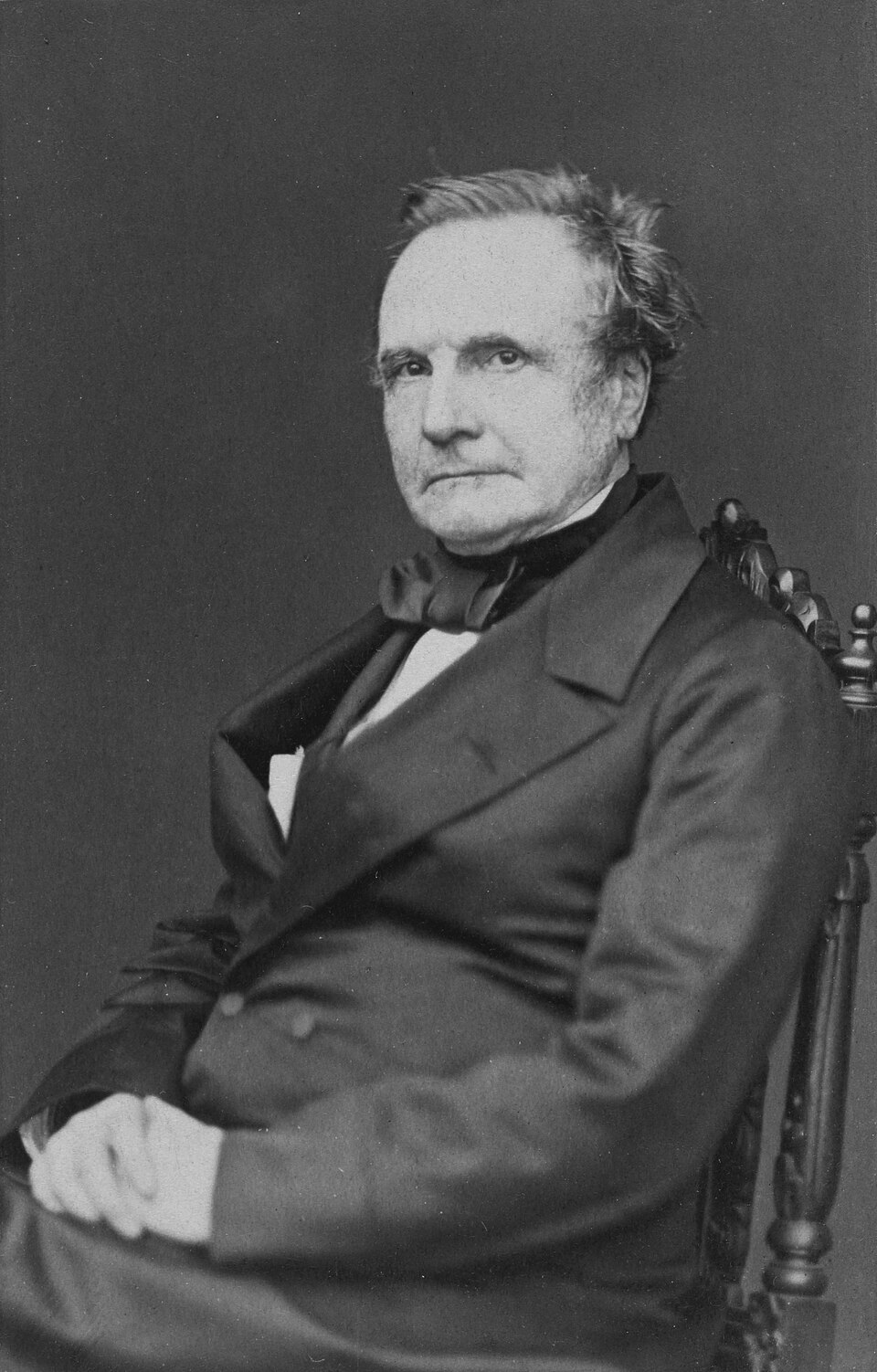
Photograph of Charles Babbage (1860), public domain via Wikimedia Commons.
Engineering & computing
Charles Babbage
1791 - 1871/🇬🇧 United Kingdom
He imagined a programmable machine a century before the parts existed to build it. We build for the future we can see coming, not just the present we can touch.
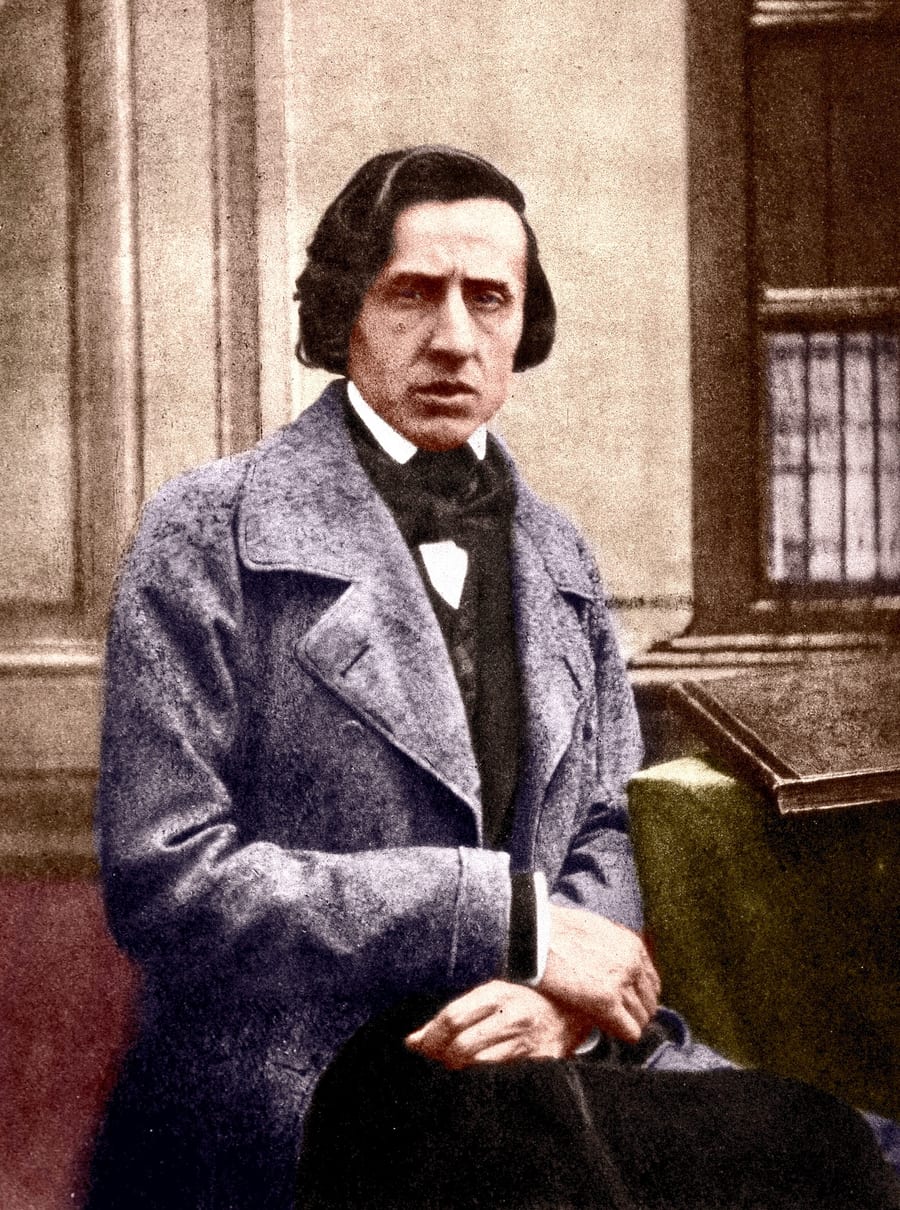
1849 daguerreotype of Frédéric Chopin by Louis-Auguste Bisson, public domain via Wikimedia Commons.
Music
Frédéric Chopin
1810 - 1849/🇵🇱 Poland
Chopin wrote for one instrument and one pair of hands, and got more feeling out of less than almost anyone. We admire that restraint, because the most personal computer should feel that intimate and that uncluttered.
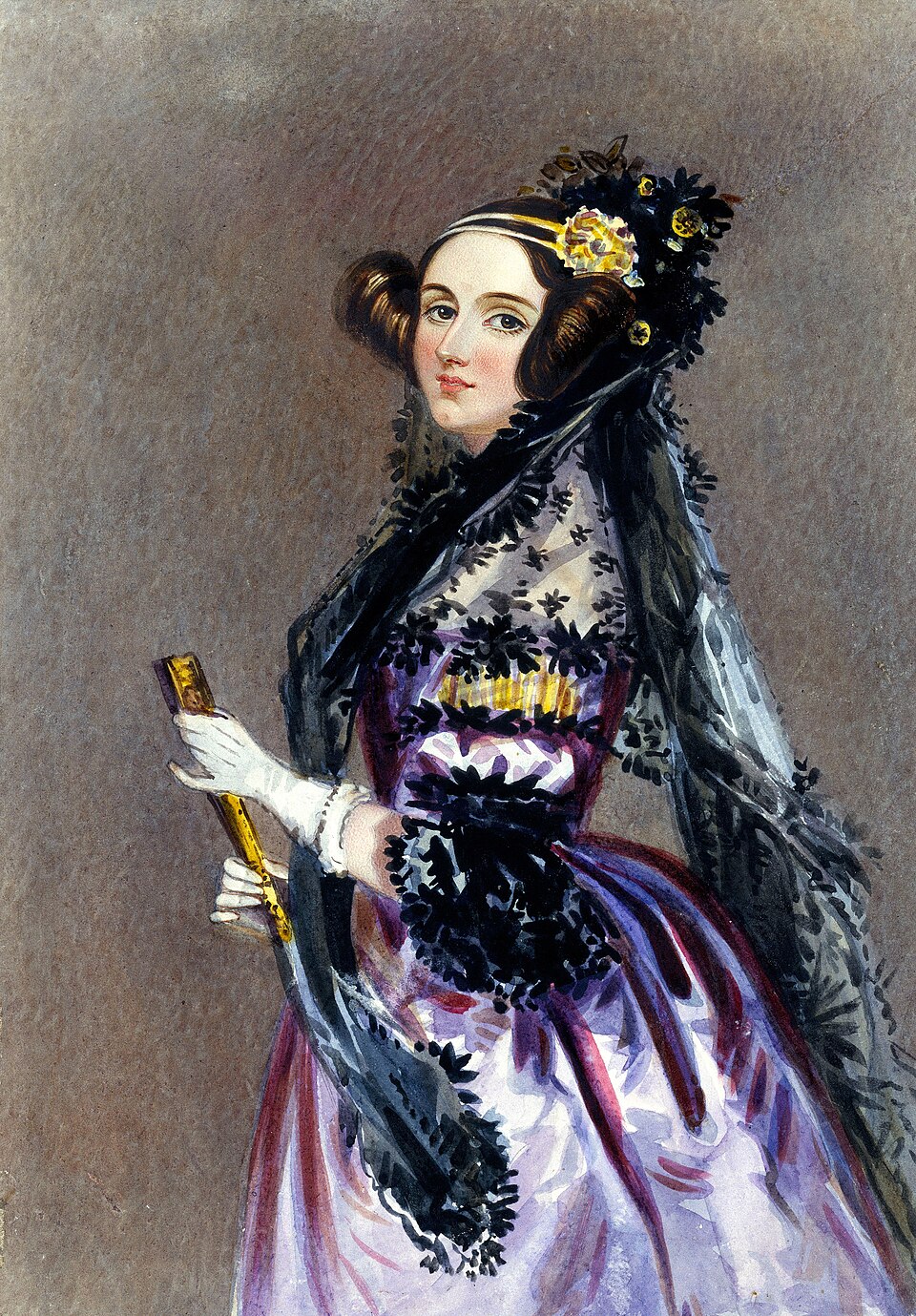
Portrait of Ada Lovelace by Margaret Sarah Carpenter, public domain via Wikimedia Commons.
Mathematics & computing
Ada Lovelace
1815 - 1852/🇬🇧 United Kingdom
She saw software before there was hardware to run it, and imagined machines serving human creativity. That is the future we build toward, tools that amplify the person.
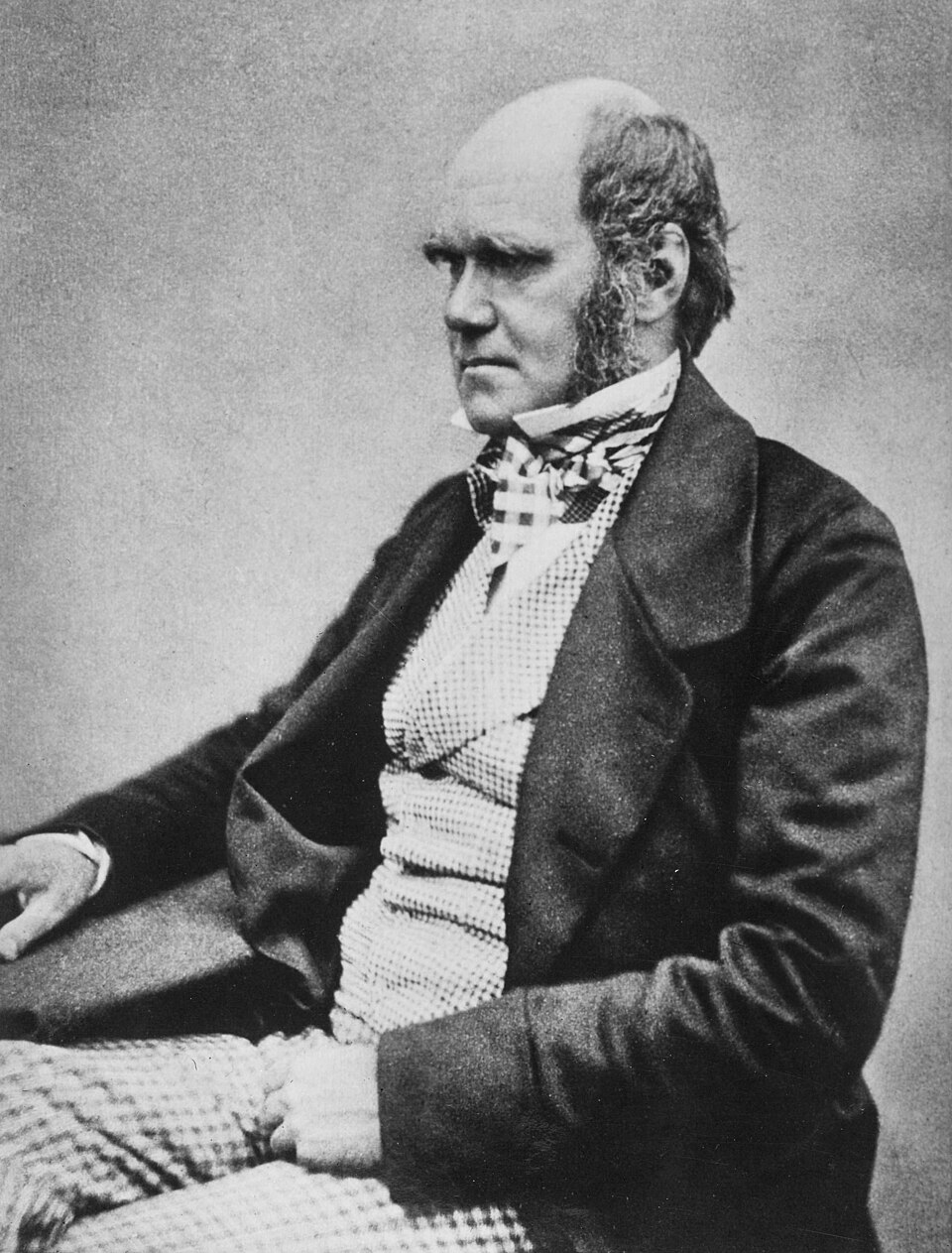
Photograph of Charles Darwin, public domain via Wikimedia Commons.
Biology
Charles Darwin
1809 - 1882/🇬🇧 United Kingdom
He gathered evidence patiently for decades and followed it where it led. Code like bacteria, small and adaptive, is our version of learning from what actually survives.
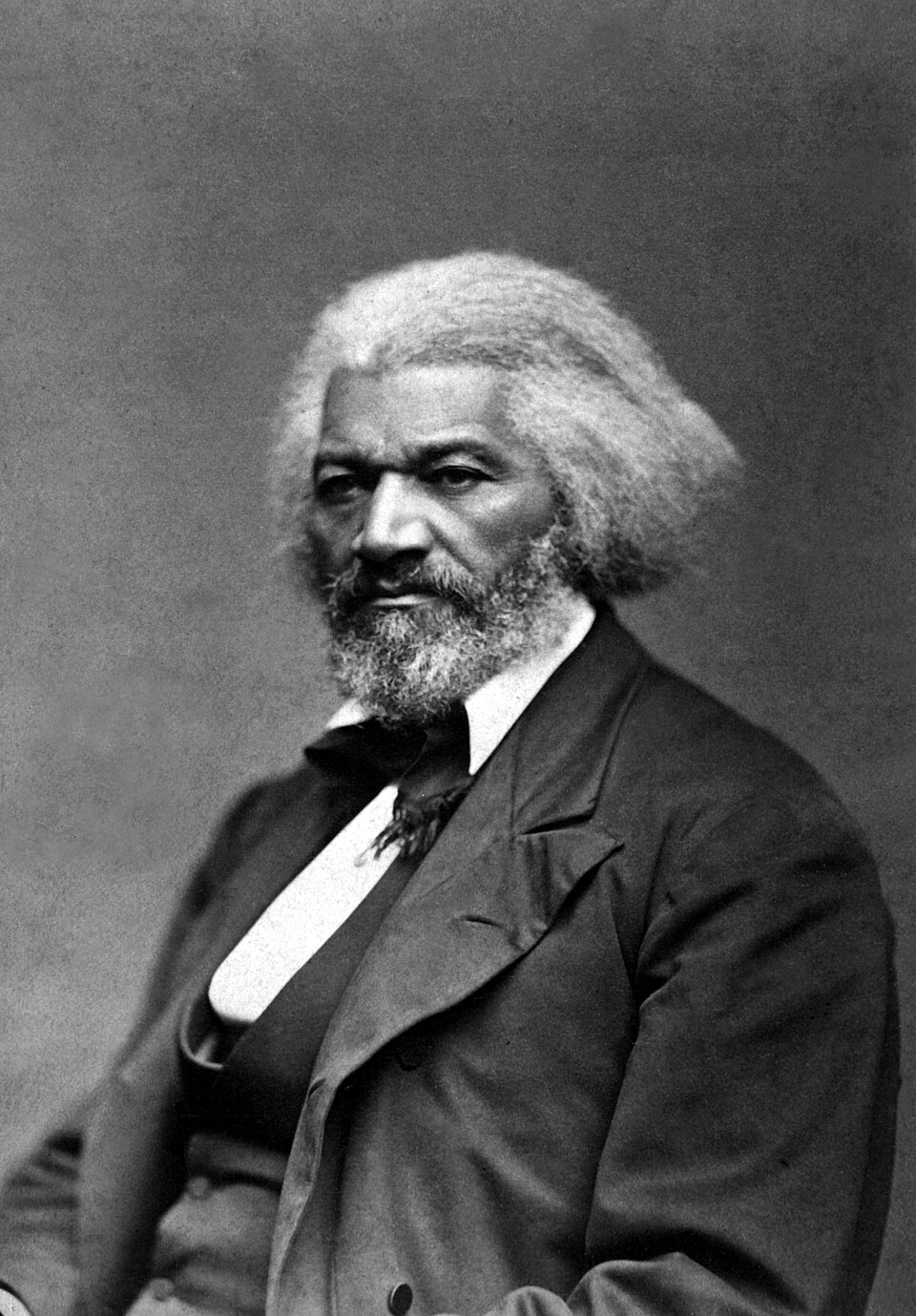
Photograph of Frederick Douglass (c. 1879), public domain via Wikimedia Commons.
Human rights
Frederick Douglass
c. 1818 - 1895/🇺🇸 United States
He taught himself to read in secret and used that literacy to free others. We believe knowledge and ownership belong to the person, never to those who would gate them.
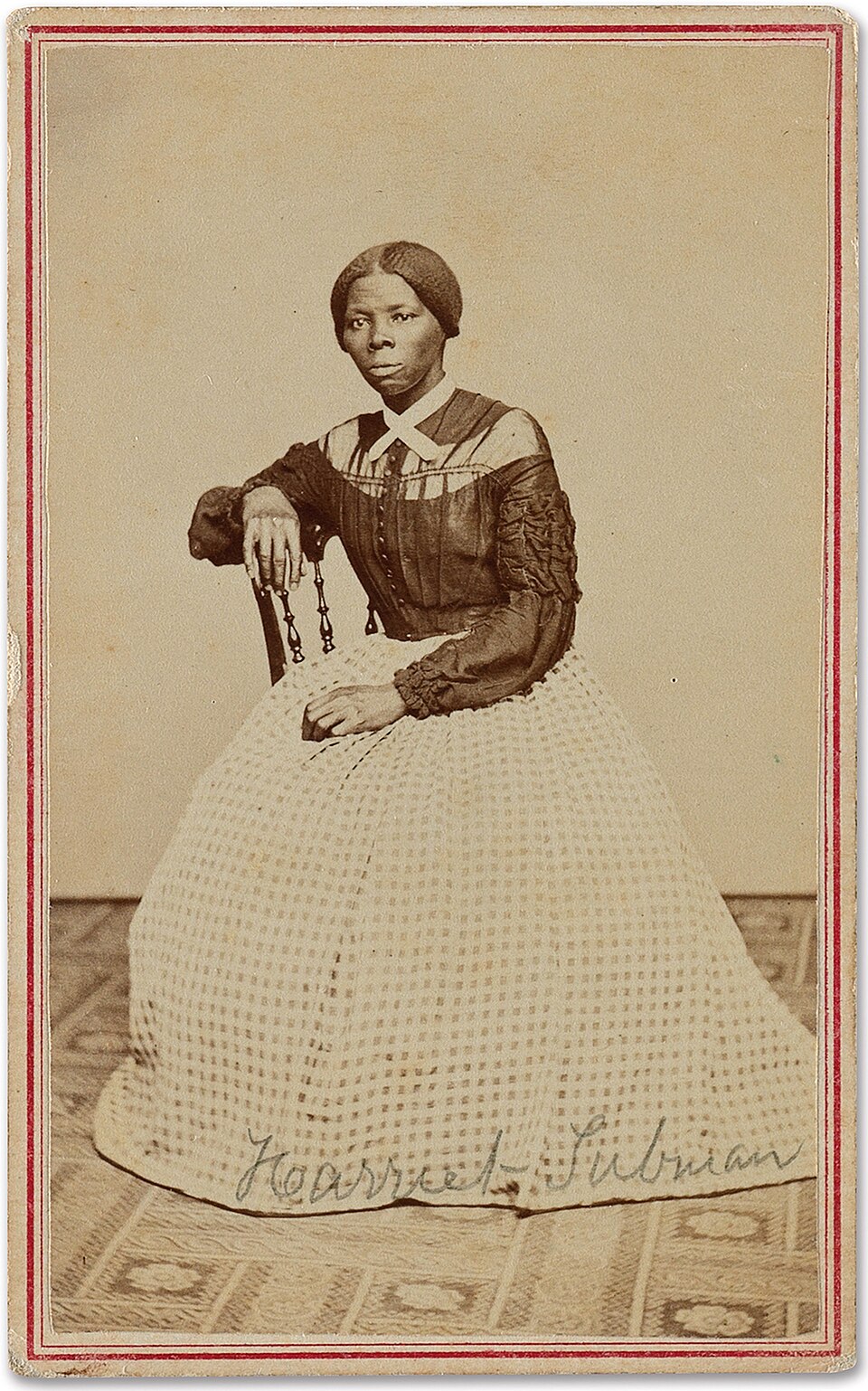
Photograph of Harriet Tubman (c. 1868), public domain via Wikimedia Commons.
Human rights
Harriet Tubman
c. 1822 - 1913/🇺🇸 United States
She risked everything, repeatedly, so other people could be free. Serving the person in front of you, at real cost, is the standard we hold ourselves to.
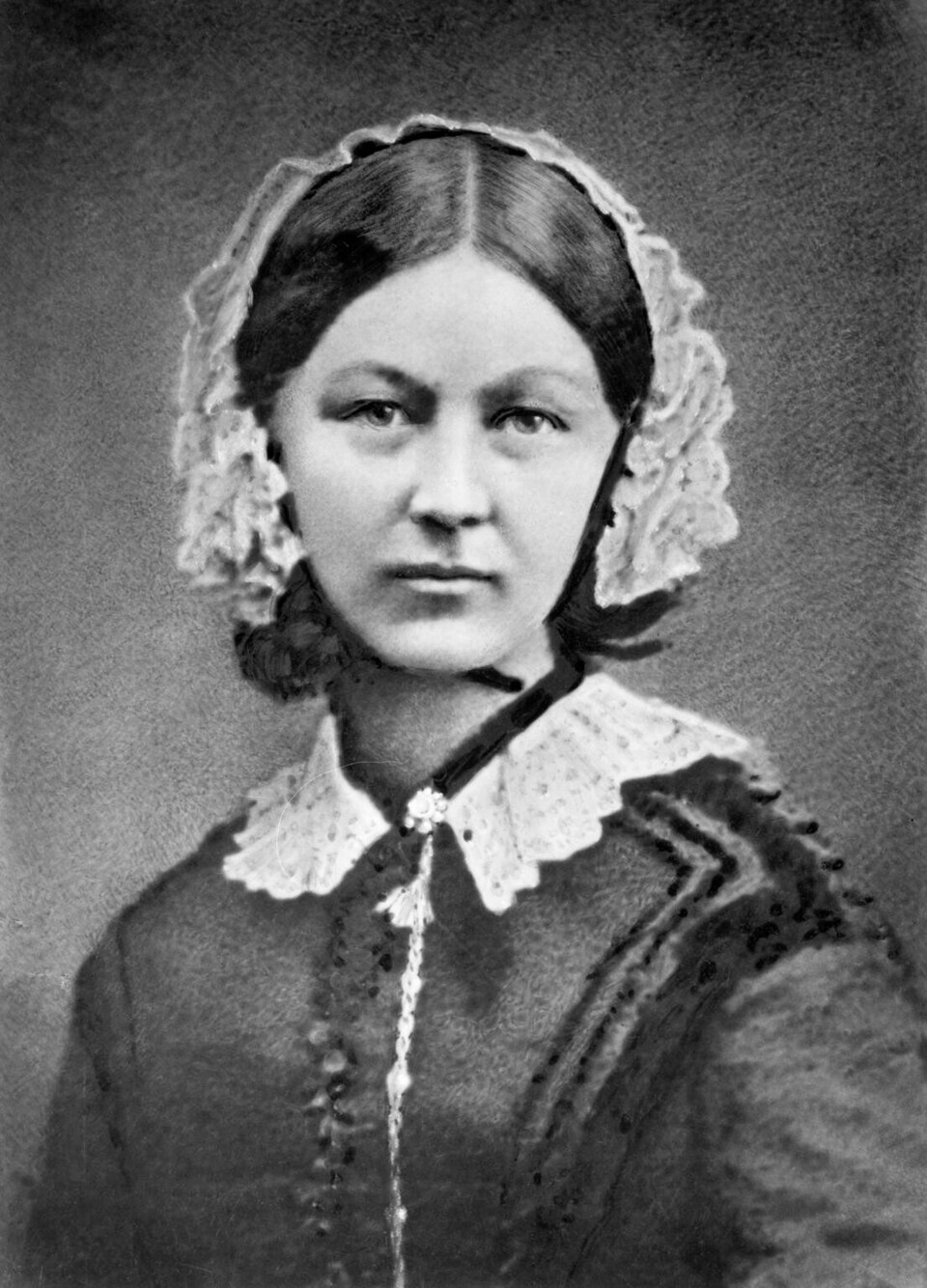
Photograph of Florence Nightingale by Henry Hering, public domain via Wikimedia Commons.
Medicine & statistics
Florence Nightingale
1820 - 1910/🇬🇧 United Kingdom
She proved care and rigor belong together and used honest data to change policy. Measure what matters, then act on it for people, that is our method too.
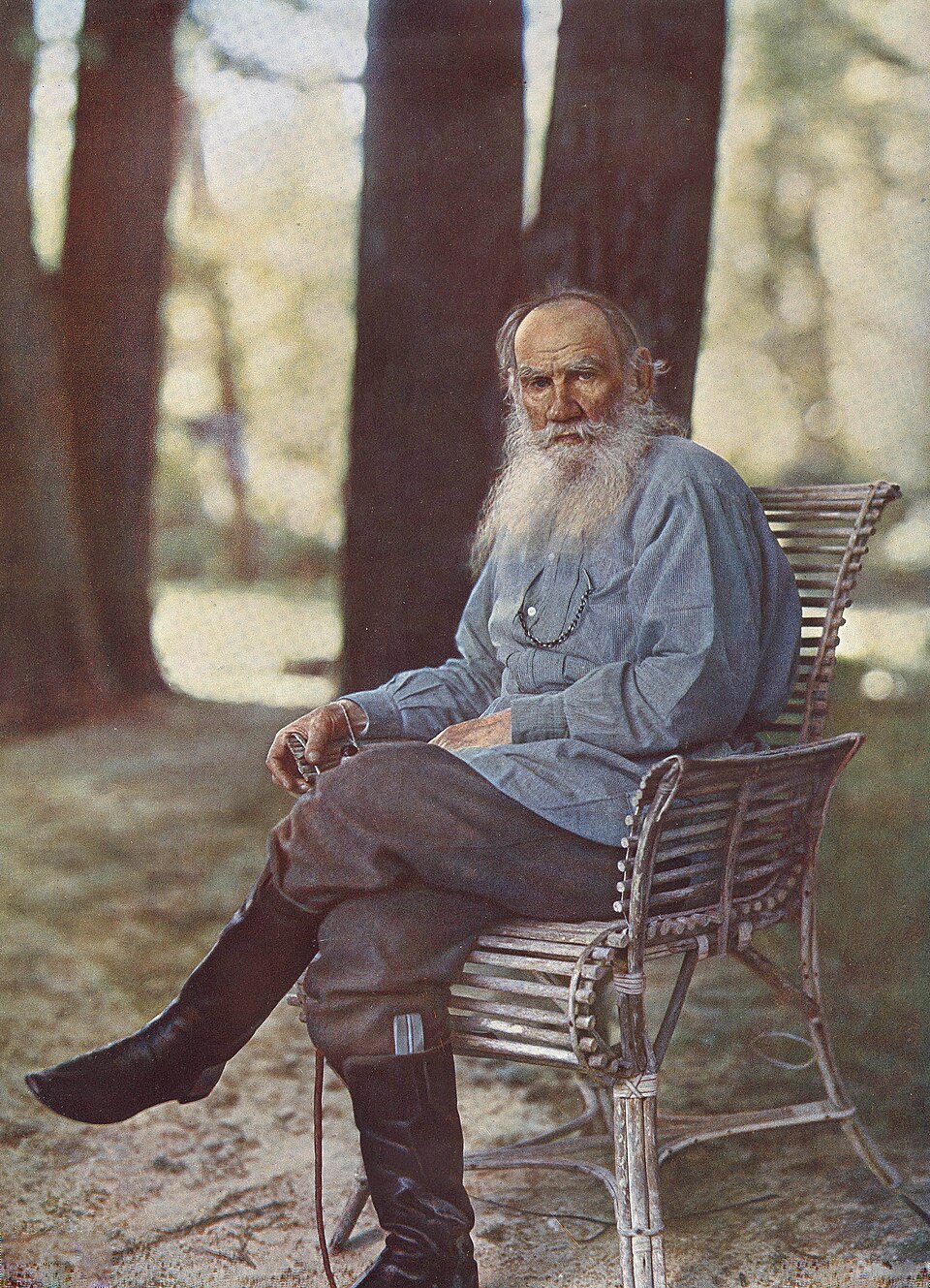
Color photograph of Leo Tolstoy by Sergey Prokudin-Gorsky, public domain via Wikimedia Commons.
Literature
Leo Tolstoy
1828 - 1910/🇷🇺 Russia
He held ordinary human life up to the light and refused easy answers. Honesty about the hard parts is a value we learned from writers like him.
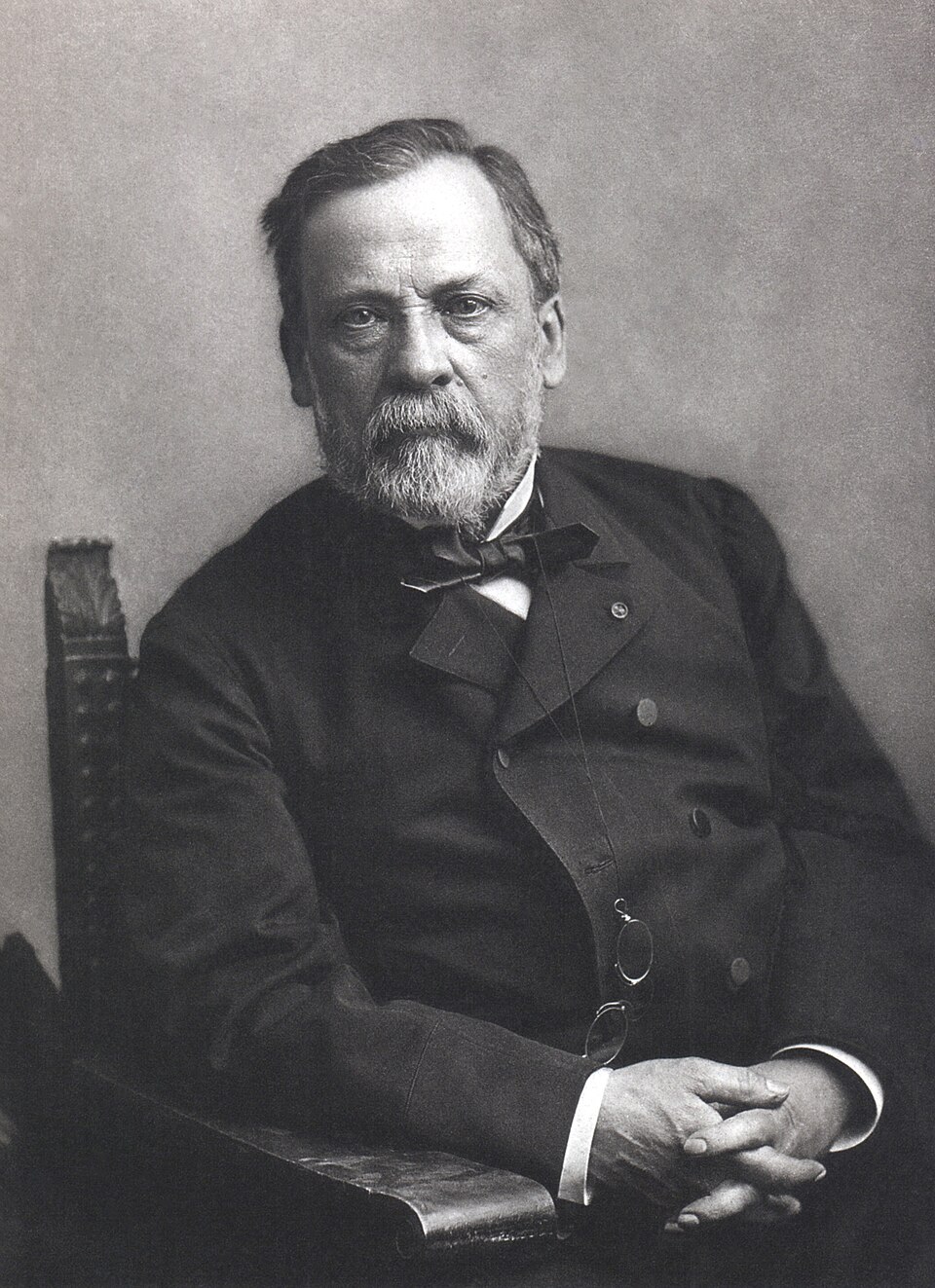
Photograph of Louis Pasteur by Paul Nadar, public domain via Wikimedia Commons.
Medicine & microbiology
Louis Pasteur
1822 - 1895/🇫🇷 France
He turned invisible microbes into public health that reached millions. Understand the small living things, then serve people at scale, that is a story we take to heart.
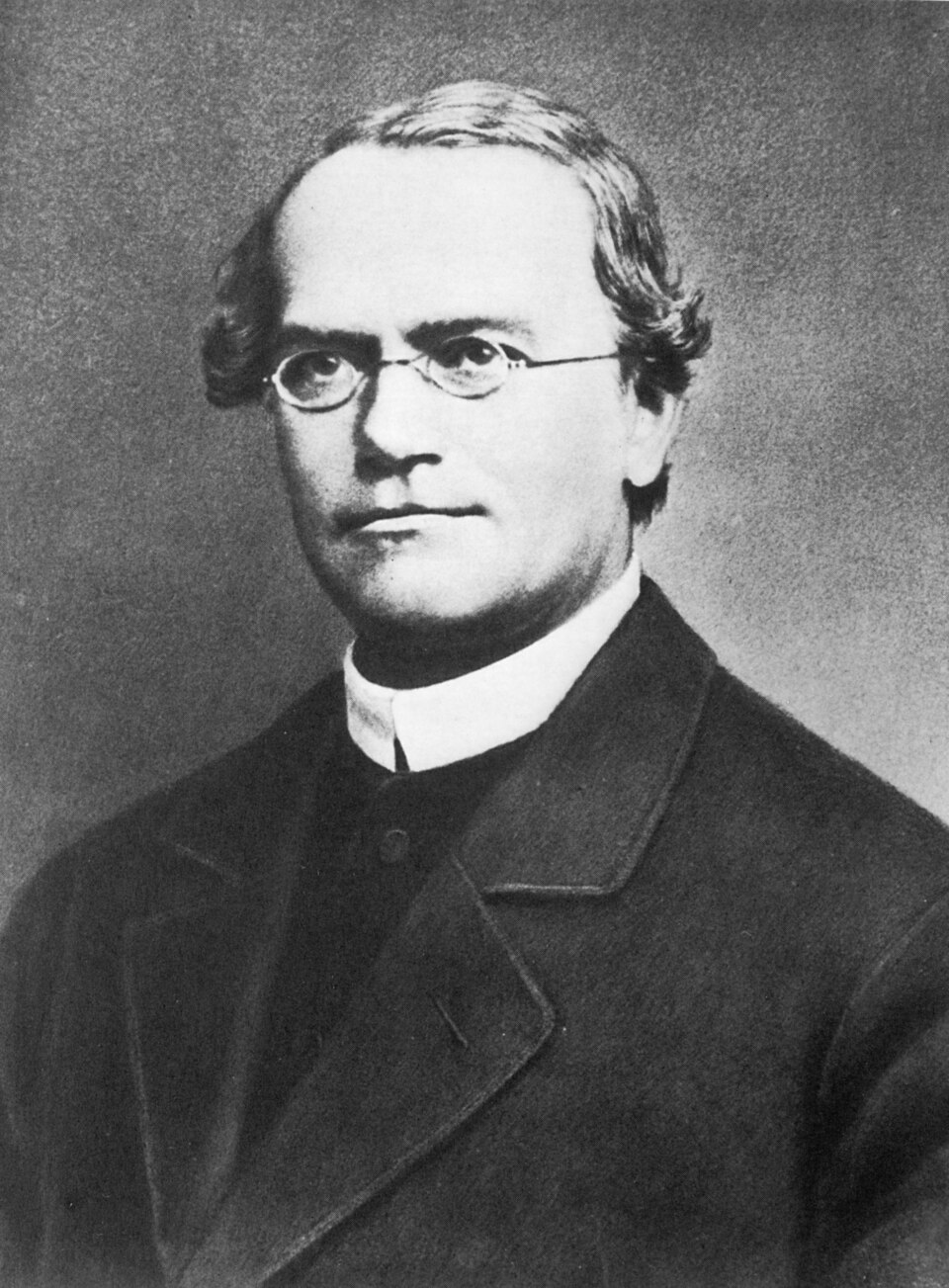
Photograph of Gregor Mendel, public domain via Wikimedia Commons.
Genetics
Gregor Mendel
1822 - 1884/🇨🇿 Czechia
Working quietly in a garden, he found the rules of inheritance the whole world would later need. Small, careful, self-contained work can change everything.
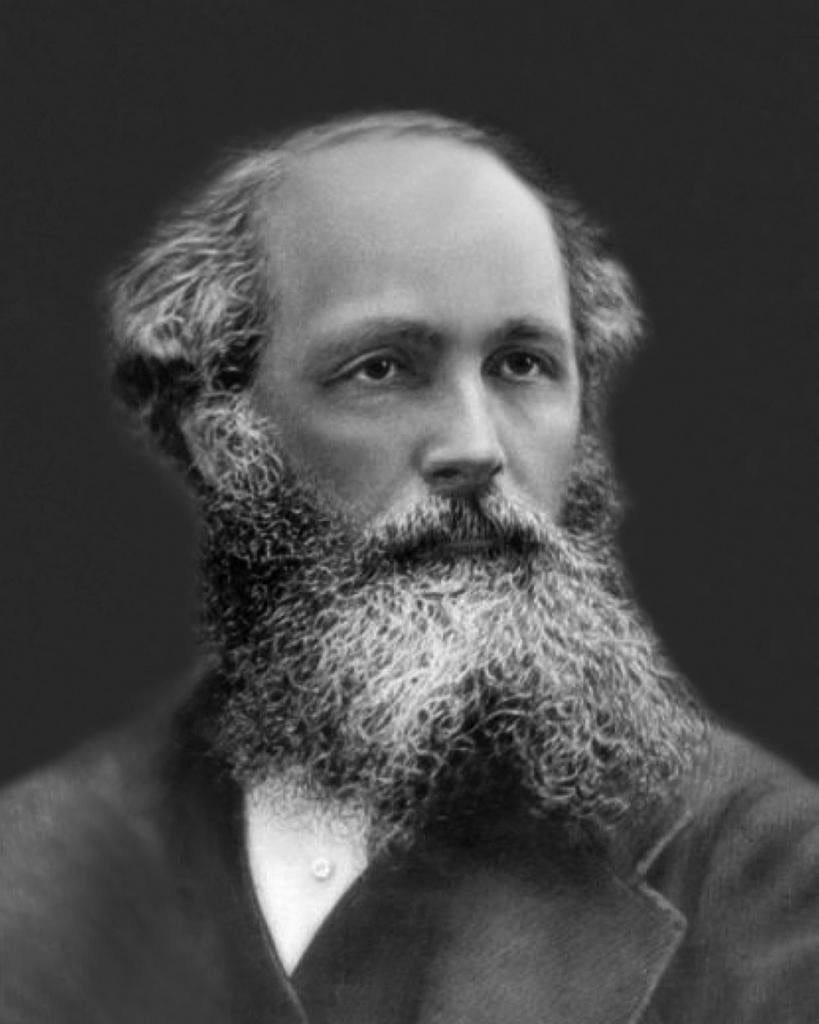
Photograph of James Clerk Maxwell, public domain via Wikimedia Commons.
Physics
James Clerk Maxwell
1831 - 1879/🇬🇧 United Kingdom
Maxwell showed that a handful of clean equations could describe electricity, magnetism, and light as one thing. Every radio, every edge node, and every Starlink link we run inherits that work, so we aim for the same economy: the smallest honest model that explains the most.
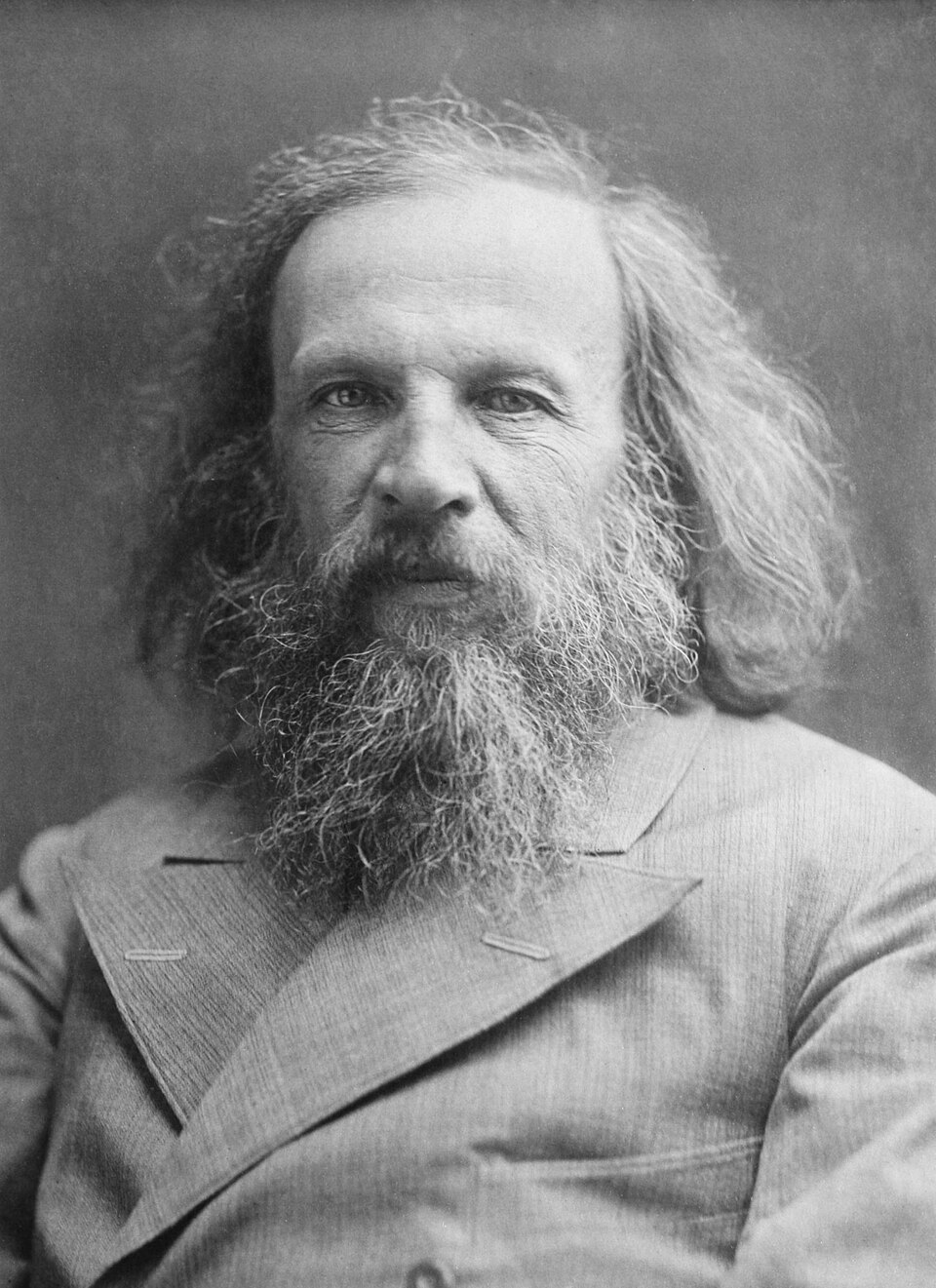
Photograph of Dmitri Mendeleev (1897), public domain via Wikimedia Commons.
Chemistry
Dmitri Mendeleev
1834 - 1907/🇷🇺 Russia
He found the hidden order in the elements and trusted it enough to predict the gaps. Good structure lets you see what is missing, which is how we design systems.
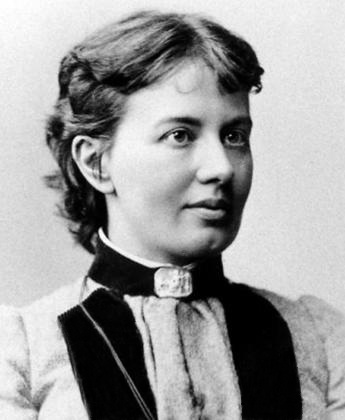
Photograph of Sofia Kovalevskaya, public domain via Wikimedia Commons.
Mathematics
Sofia Kovalevskaya
1850 - 1891/🇷🇺 Russia
She broke into a field that tried to keep her out and did first-rate work anyway. Talent should not need permission, and we build tools that lower every barrier.
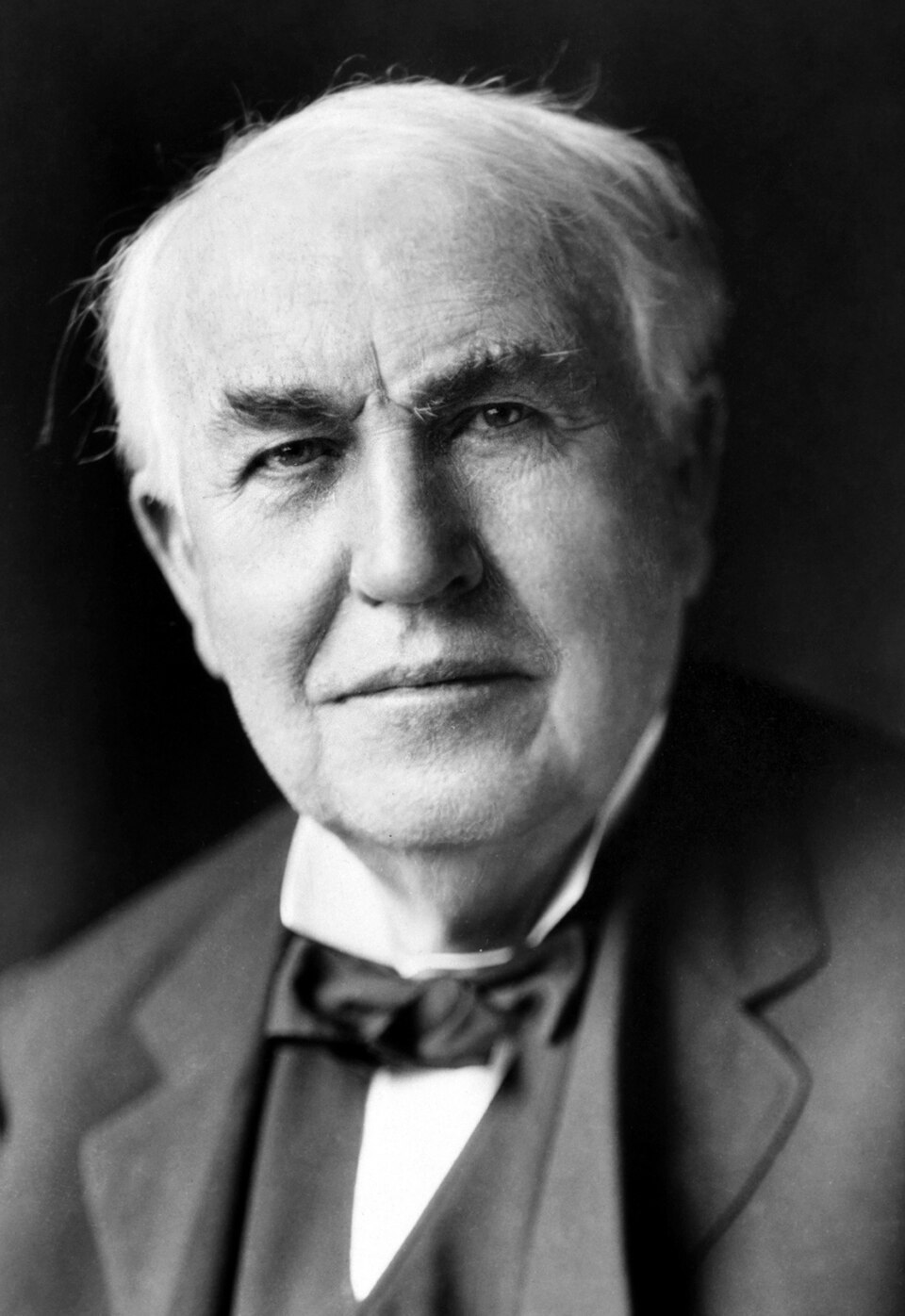
Photograph of Thomas Edison, public domain via Wikimedia Commons.
Invention
Thomas Edison
1847 - 1931/🇺🇸 United States
He turned invention into a repeatable process and shipped things people could actually use. Relentless iteration toward something useful is our daily practice.
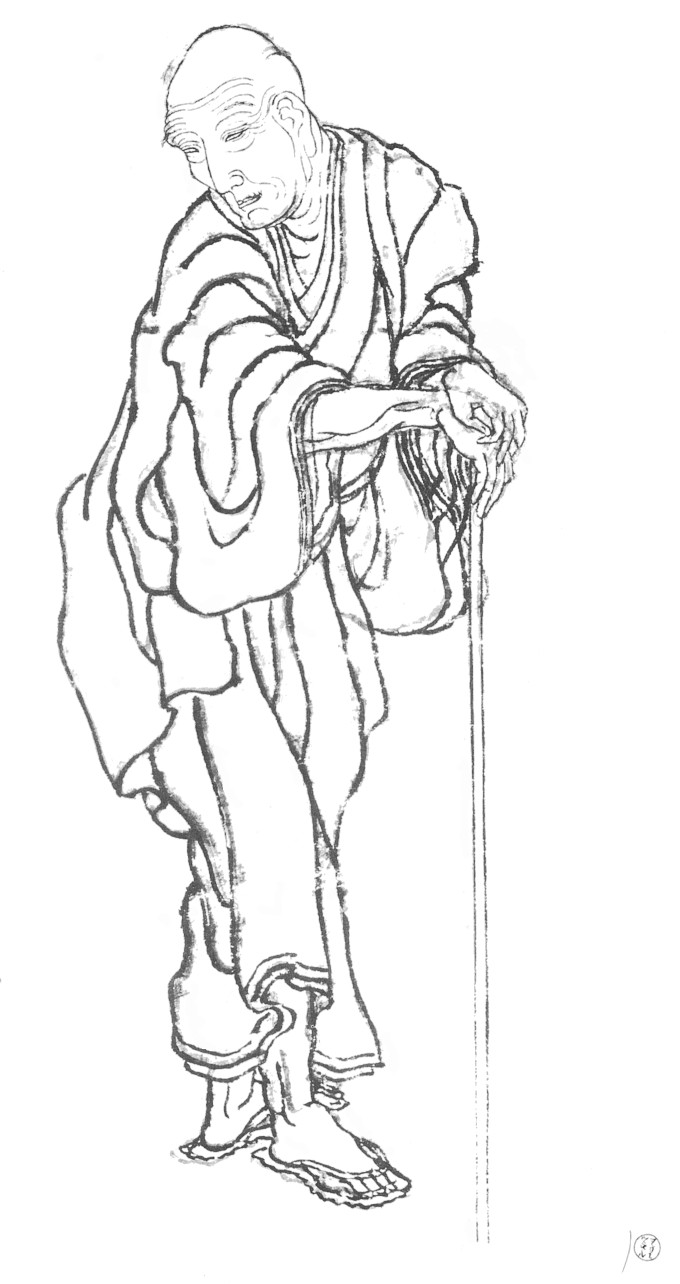
Self-portrait of Katsushika Hokusai, public domain via Wikimedia Commons.
Art & design
Katsushika Hokusai
1760 - 1849/🇯🇵 Japan
He kept refining his craft into his eighties, sure the best work was still ahead. Mastery is a lifelong practice, and we approach our craft the same way.
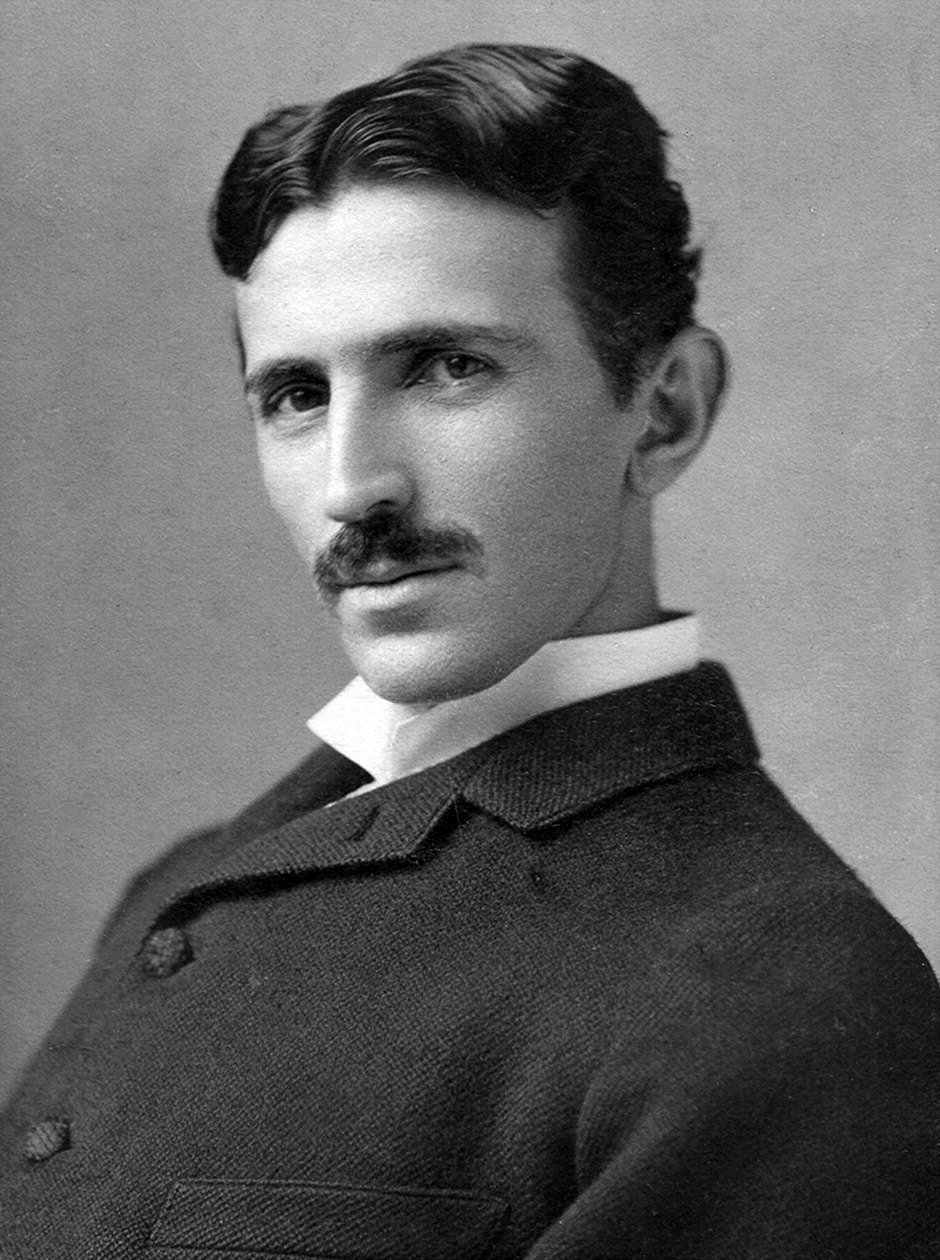
Photograph of Nikola Tesla (c. 1890), public domain via Wikimedia Commons.
Engineering & invention
Nikola Tesla
1856 - 1943/🇷🇸 Serbia
He designed the systems that put power in reach of everyone, cheaply and at scale. Extreme capability at the lowest possible cost is exactly our north star.
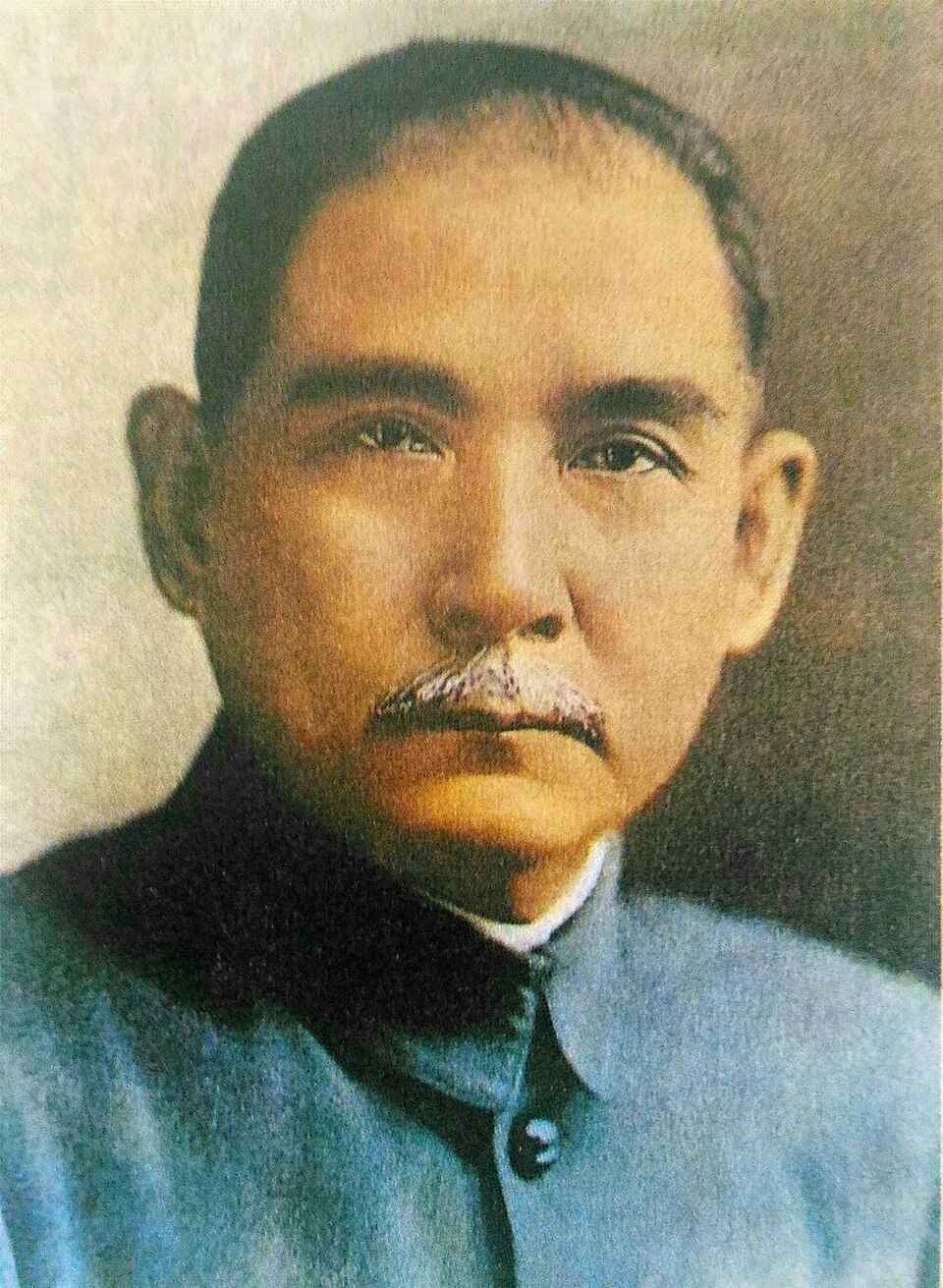
Photograph of Sun Yat-sen, public domain via Wikimedia Commons.
Statecraft & medicine
Sun Yat-sen
1866 - 1925/🇨🇳 China
A trained doctor, he worked to build institutions that would serve ordinary people. Building durable things in service of a community is work we respect deeply.
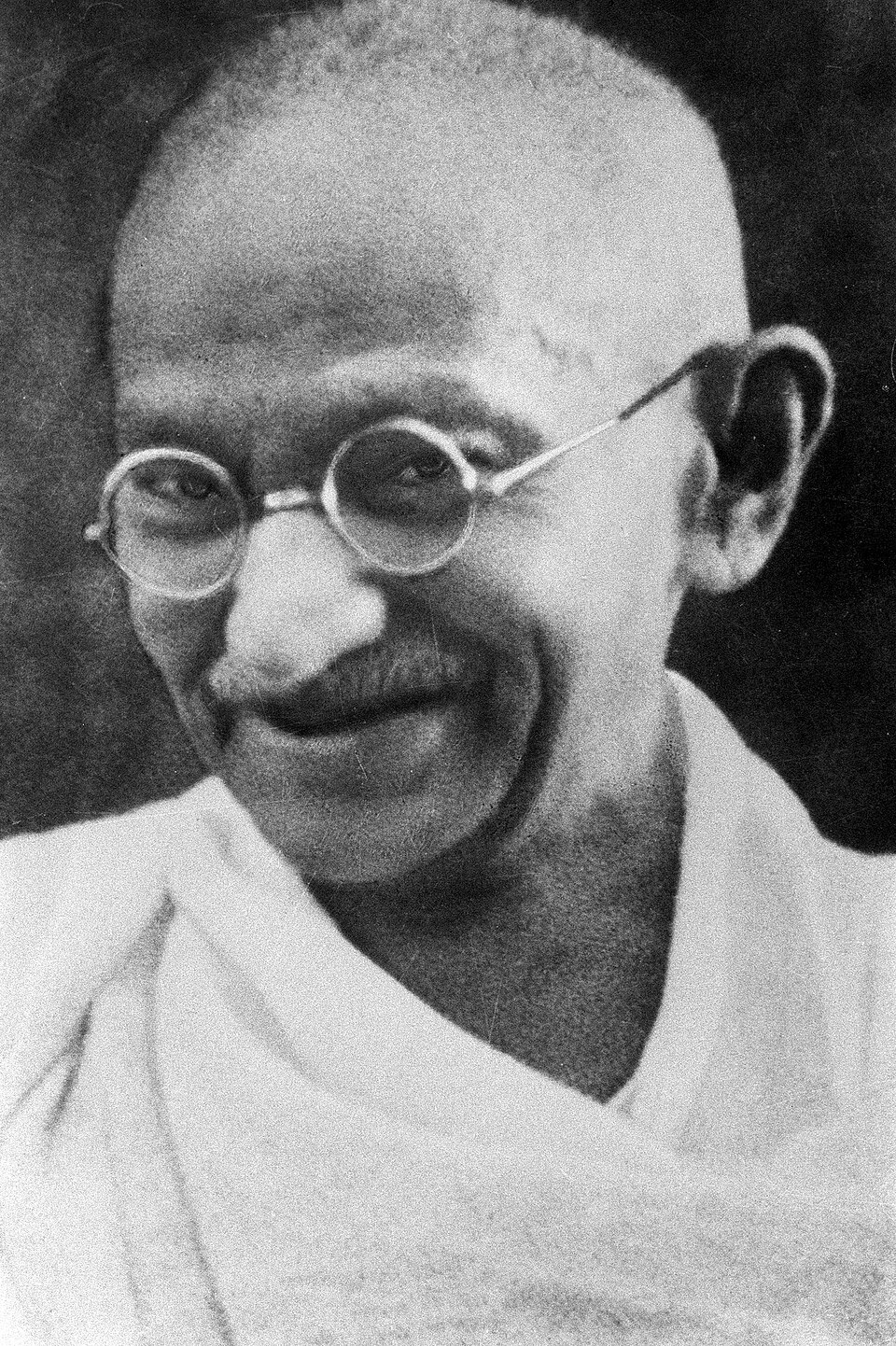
Studio photograph of Mahatma Gandhi, public domain via Wikimedia Commons.
Human rights & peace
Mahatma Gandhi
1869 - 1948/🇮🇳 India
He asked people to be the change they wished to see and to own their own labor and tools. Self-reliance and dignity for the individual are at the heart of what we build.
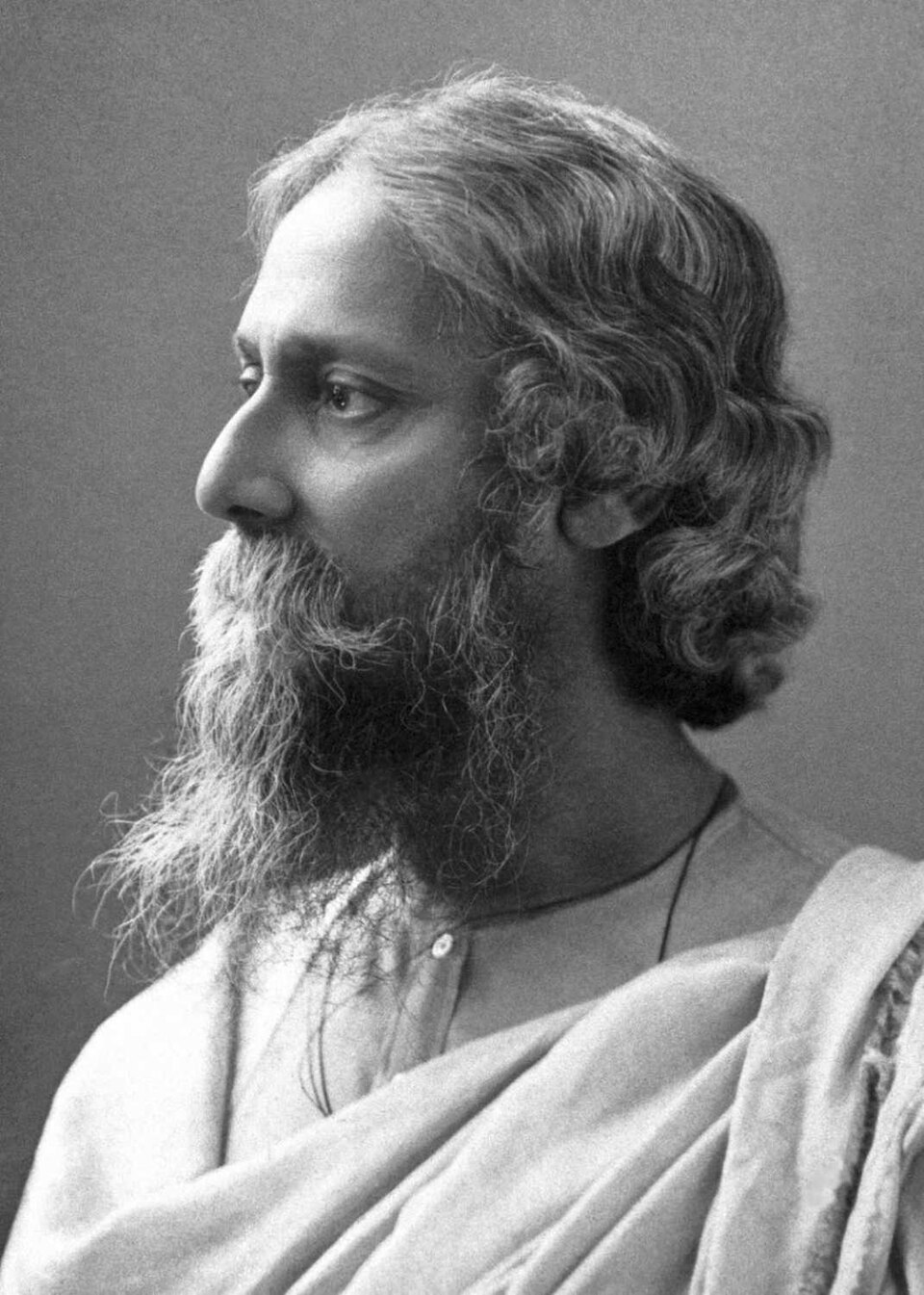
Photograph of Rabindranath Tagore (1909), public domain via Wikimedia Commons.
Literature & poetry
Rabindranath Tagore
1861 - 1941/🇮🇳 India
He built a school around freedom and curiosity and wrote for the whole world. Serving human creativity across every border is a mission we share.
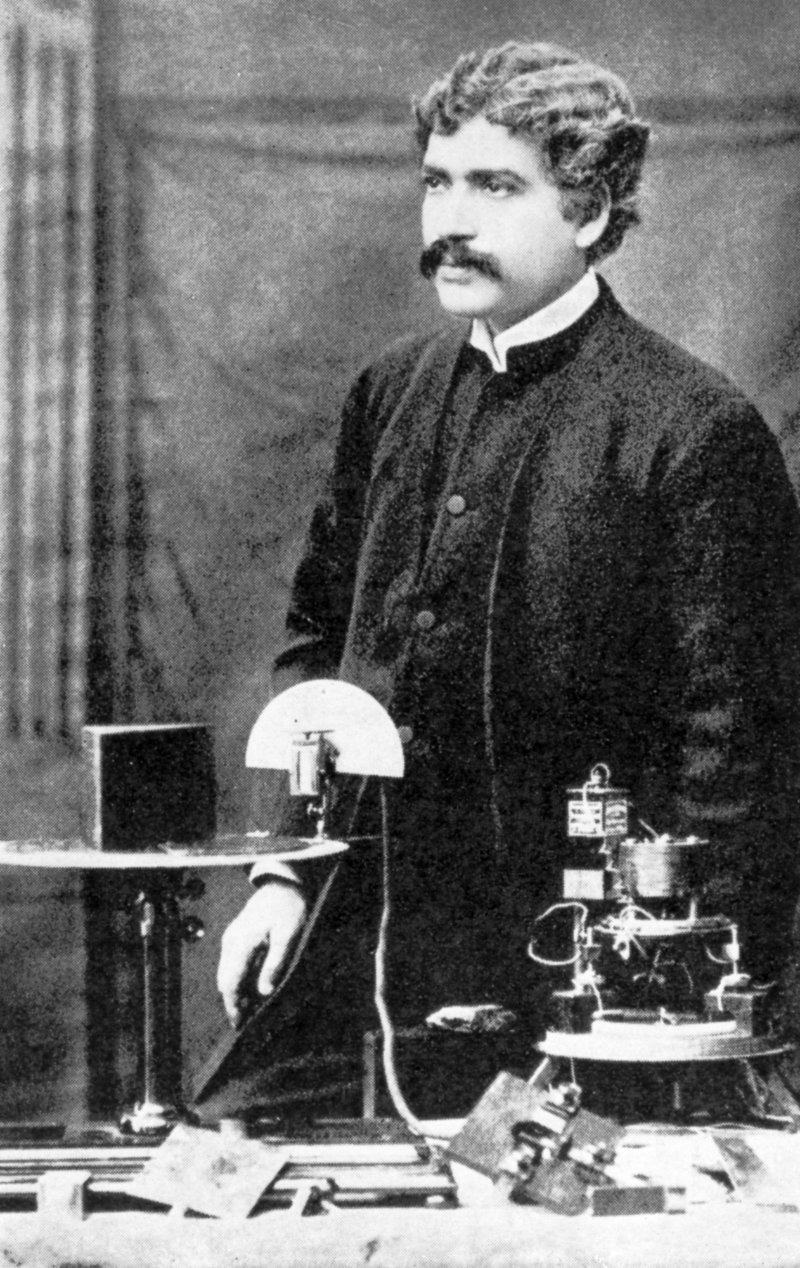
Photograph of Jagadish Chandra Bose, public domain via Wikimedia Commons.
Physics & biology
Jagadish Chandra Bose
1858 - 1937/🇮🇳 India
He did frontier science and declined to patent it so others could build on his work. Openness that lets anyone yoink your ideas is the code-like-bacteria spirit we love.
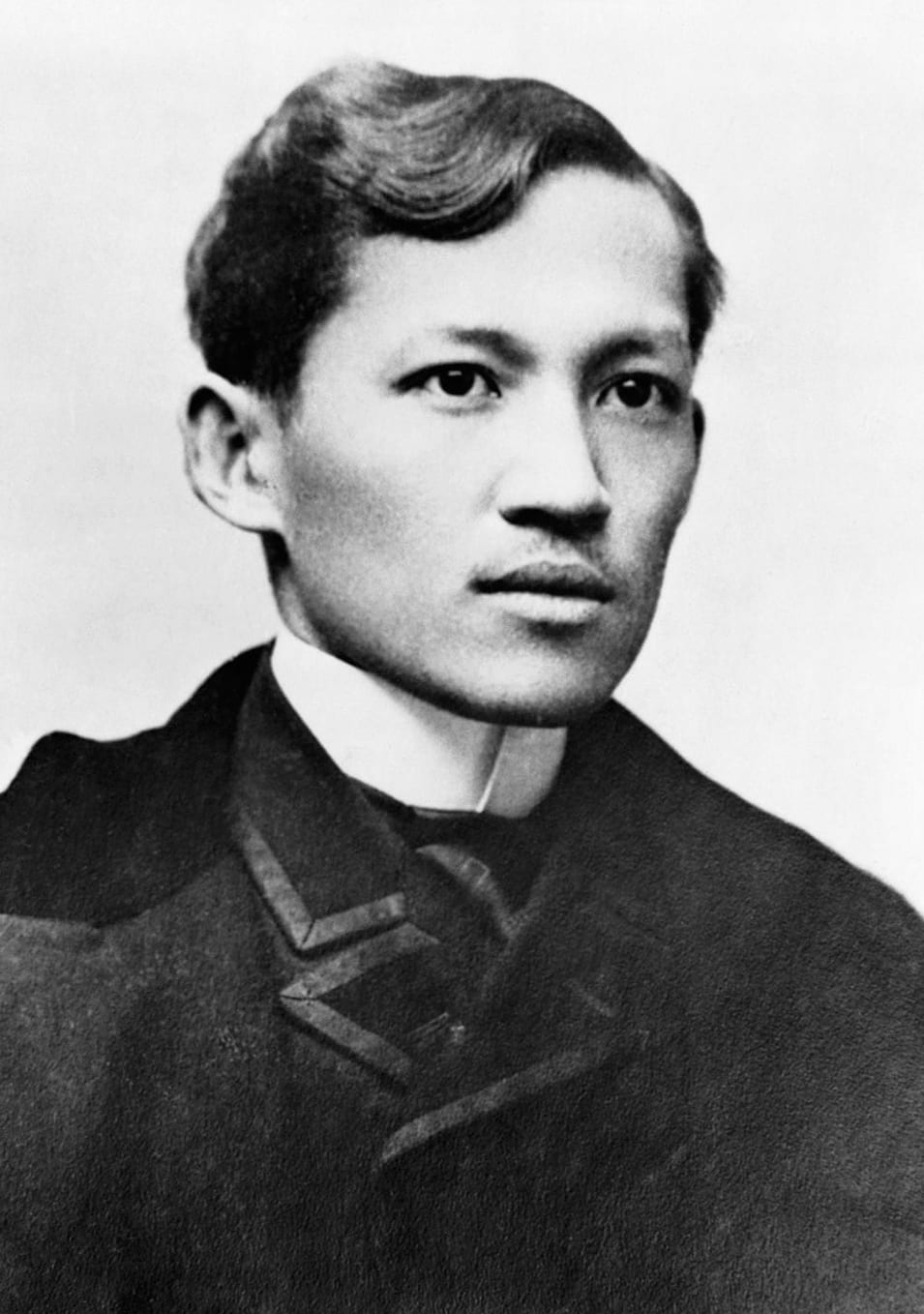
Photograph of José Rizal, public domain via Wikimedia Commons.
Writing & reform
José Rizal
1861 - 1896/🇵🇭 Philippines
Rizal wrote so his people could see themselves clearly and govern themselves, and he paid for it with his life. We build tools that put a person in charge of their own story and their own data, which is a quieter version of the same idea.
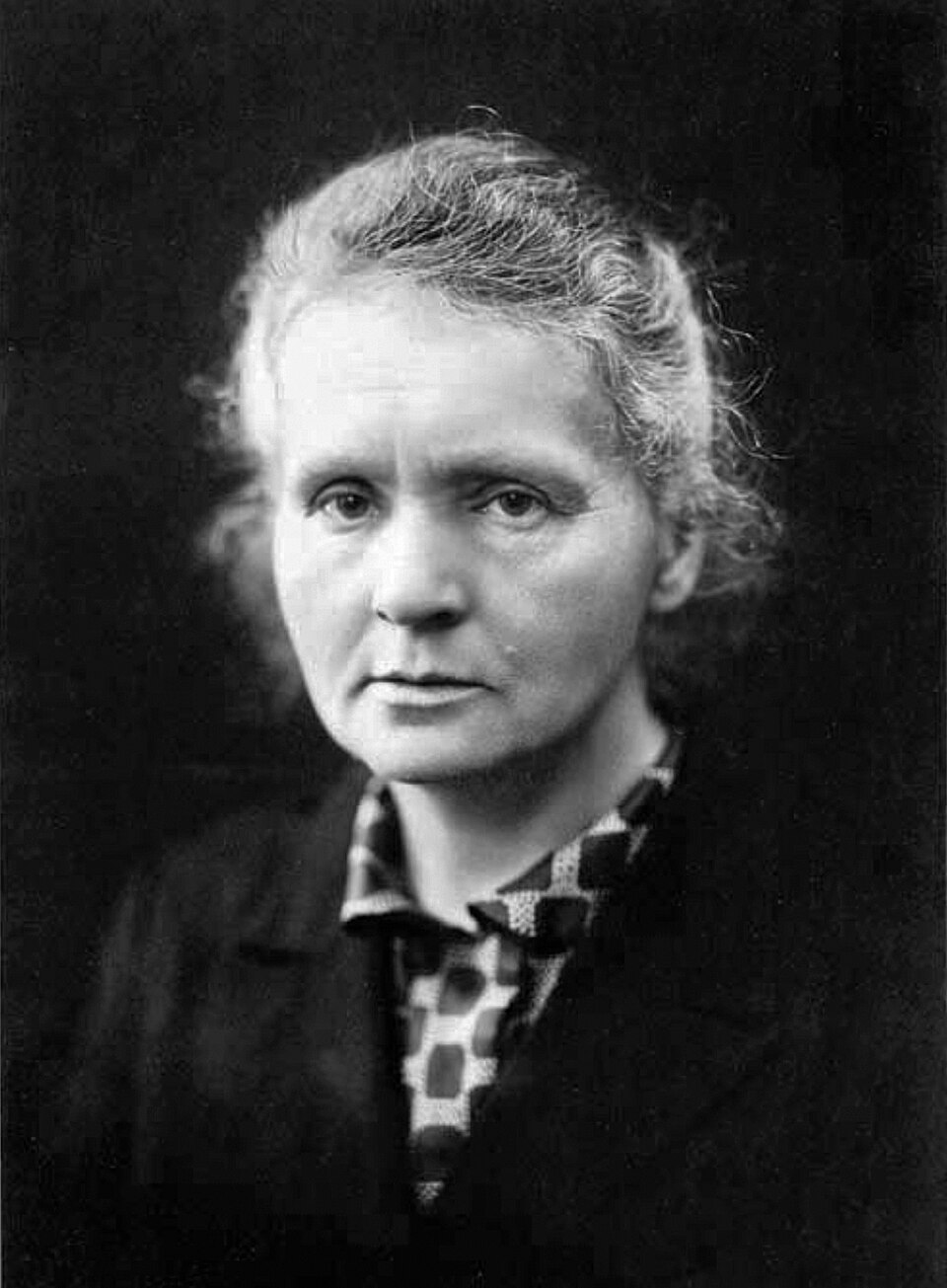
Photograph of Marie Curie (c. 1920), public domain via Wikimedia Commons.
Physics & chemistry
Marie Curie
1867 - 1934/🇵🇱 Poland
She did painstaking, self-directed work and shared her methods openly with the world. Rigor, generosity, and ownership of your own research are values we build around.
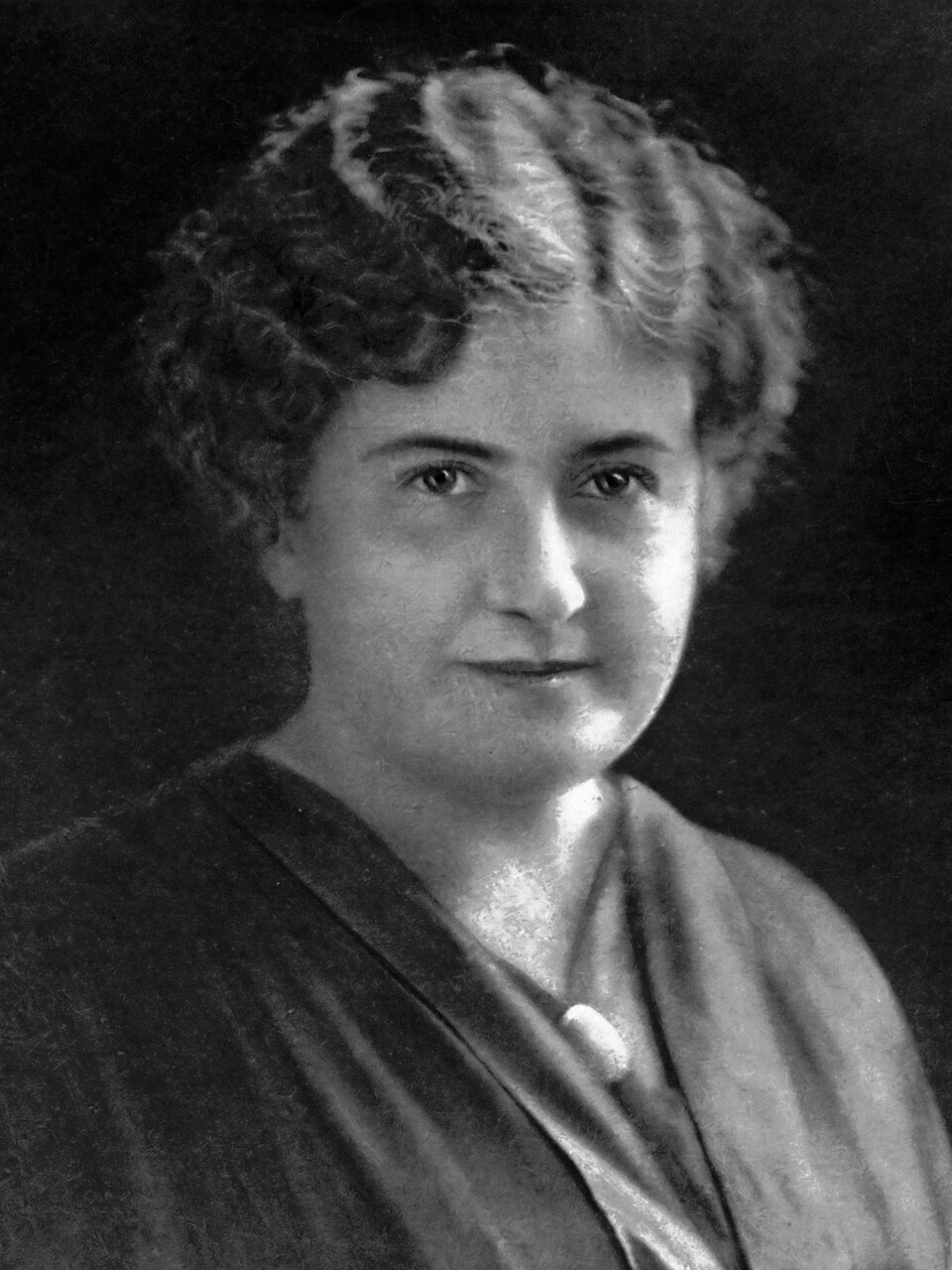
Photograph of Maria Montessori, public domain via Wikimedia Commons.
Education & medicine
Maria Montessori
1870 - 1952/🇮🇹 Italy
She designed environments where people teach themselves and grow at their own pace. Giving the person the tools and the agency to lead is exactly our philosophy.
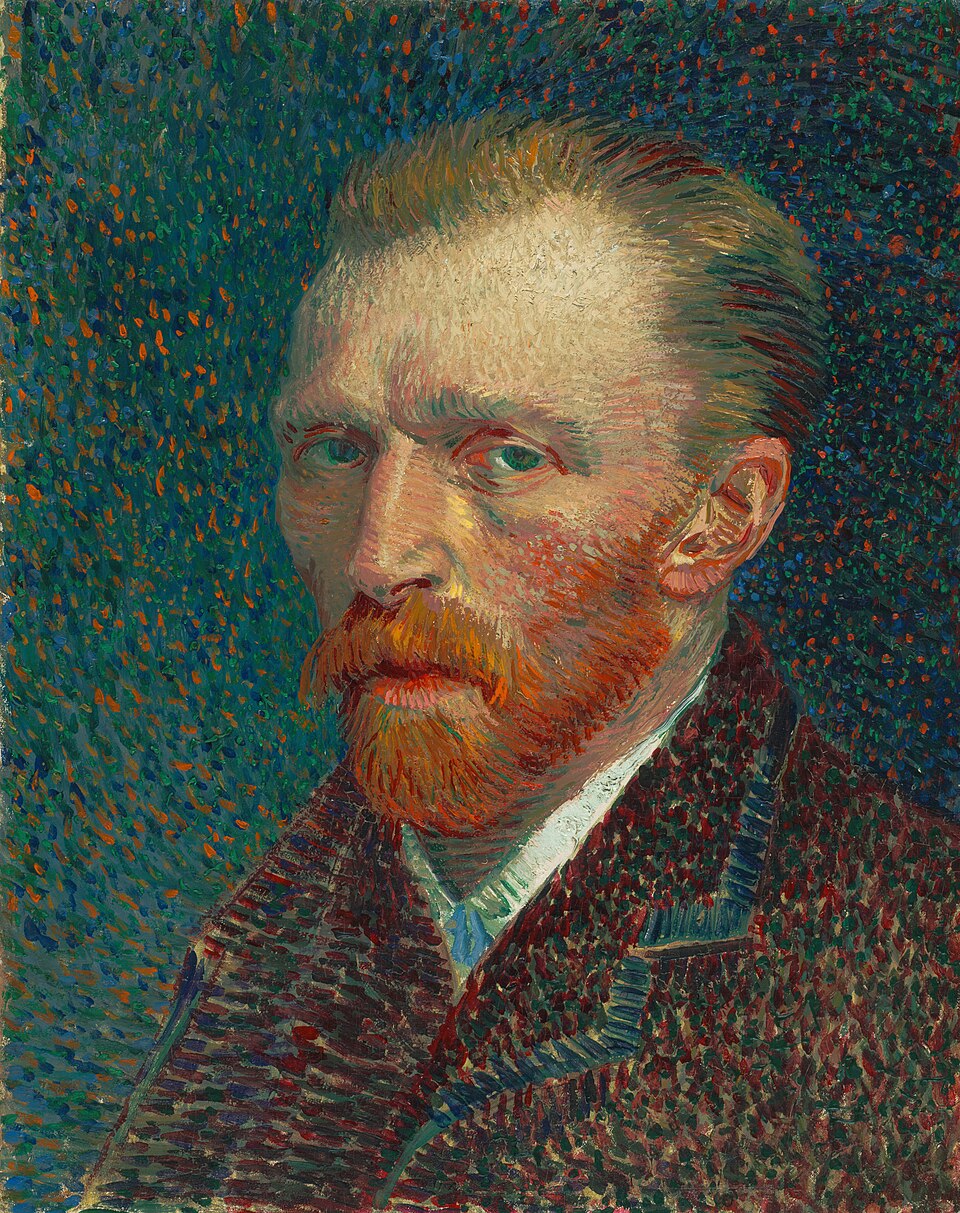
Self-portrait of Vincent van Gogh, public domain via Wikimedia Commons.
Art & design
Vincent van Gogh
1853 - 1890/🇳🇱 Netherlands
He kept making honest, original work with no applause and little money. Doing the real thing whether or not the world is watching yet is a discipline we admire.
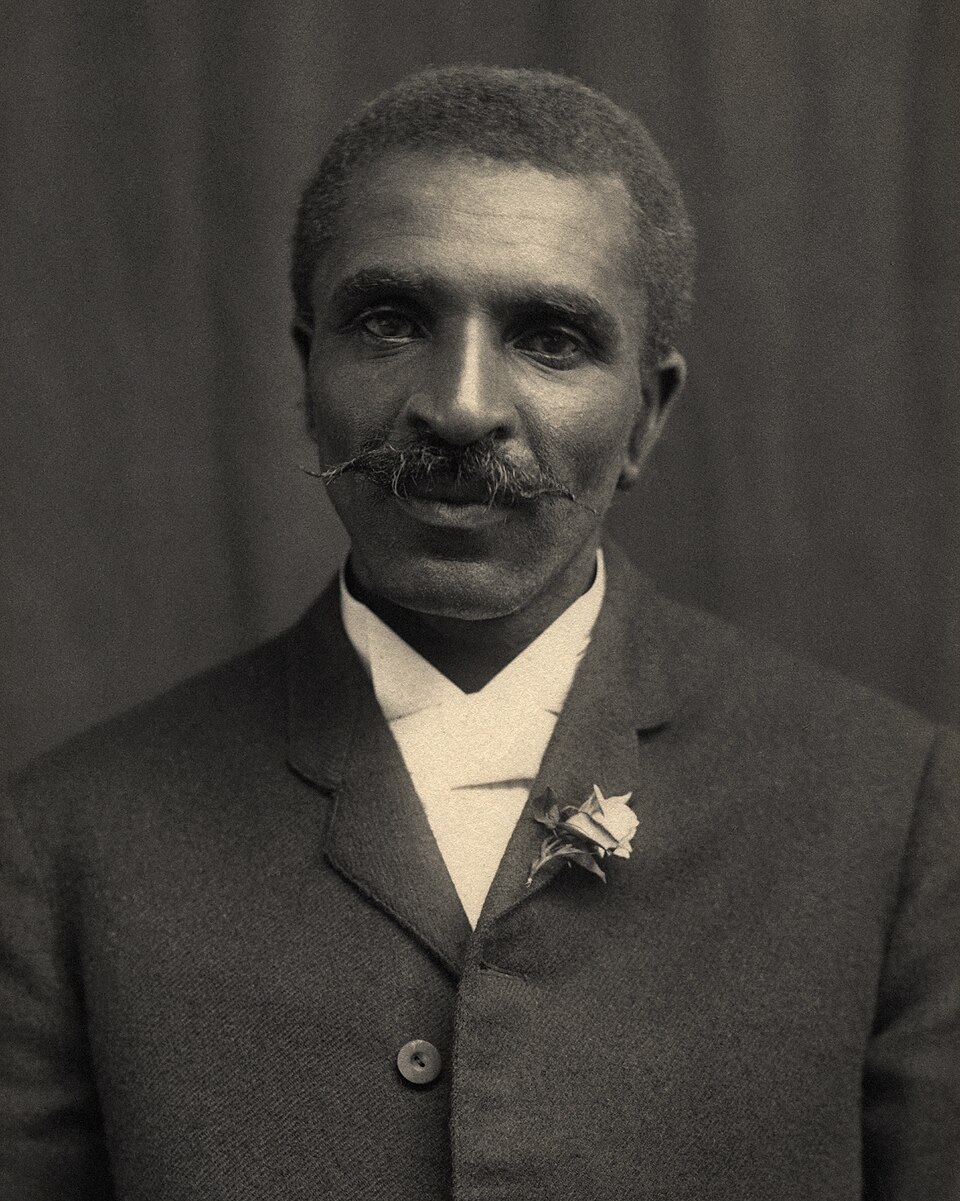
Photograph of George Washington Carver (c. 1910), public domain via Wikimedia Commons.
Science & agriculture
George Washington Carver
c. 1864 - 1943/🇺🇸 United States
Born into slavery, he devoted his science to lifting up the people around him and asked nothing in return. Serving the community with what you know is the point.
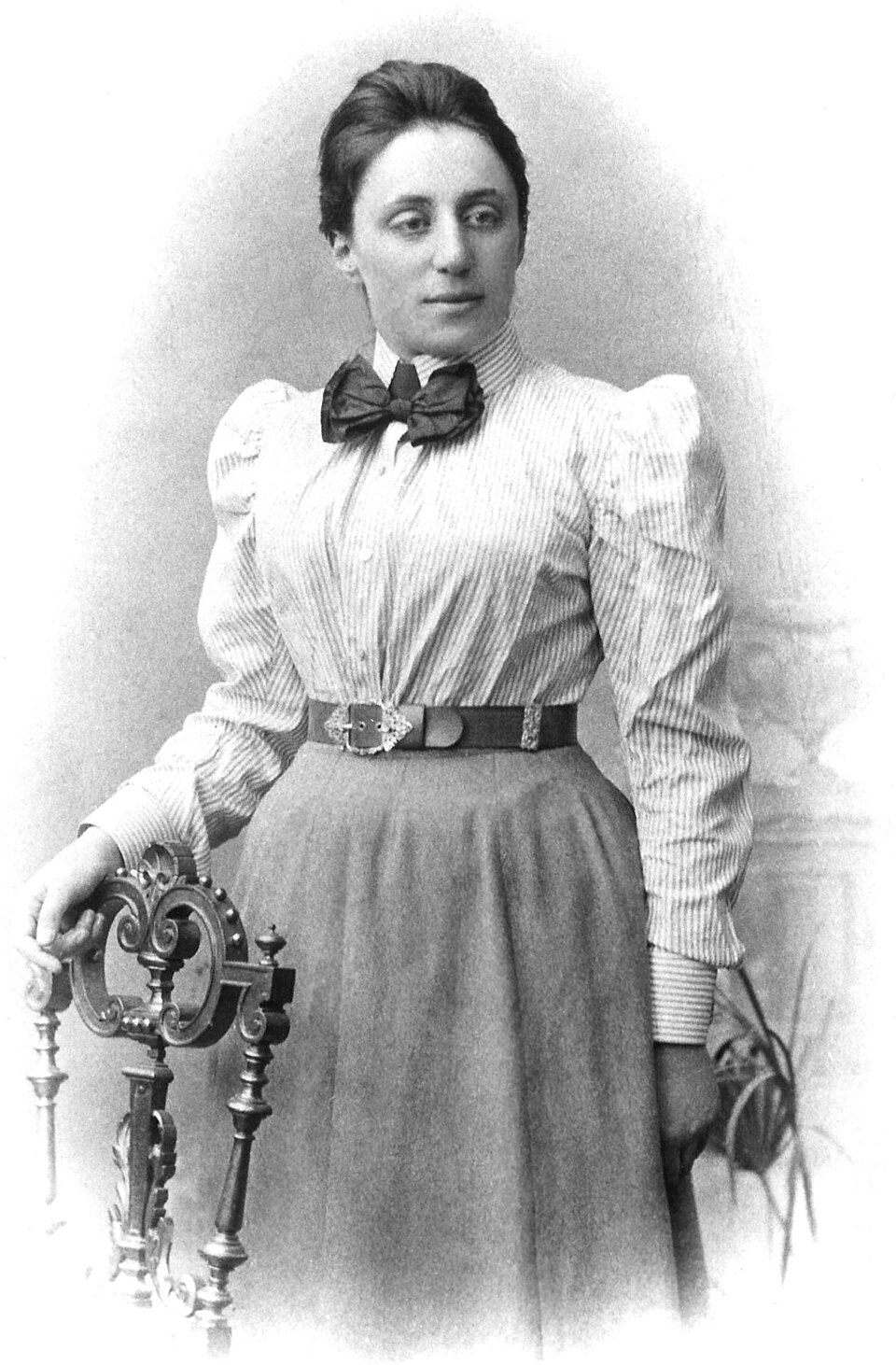
Photograph of Emmy Noether, public domain via Wikimedia Commons.
Mathematics
Emmy Noether
1882 - 1935/🇩🇪 Germany
She built deep, general structures that other people are still building on today. Foundations that let others go further is the kind of work we want to leave behind.
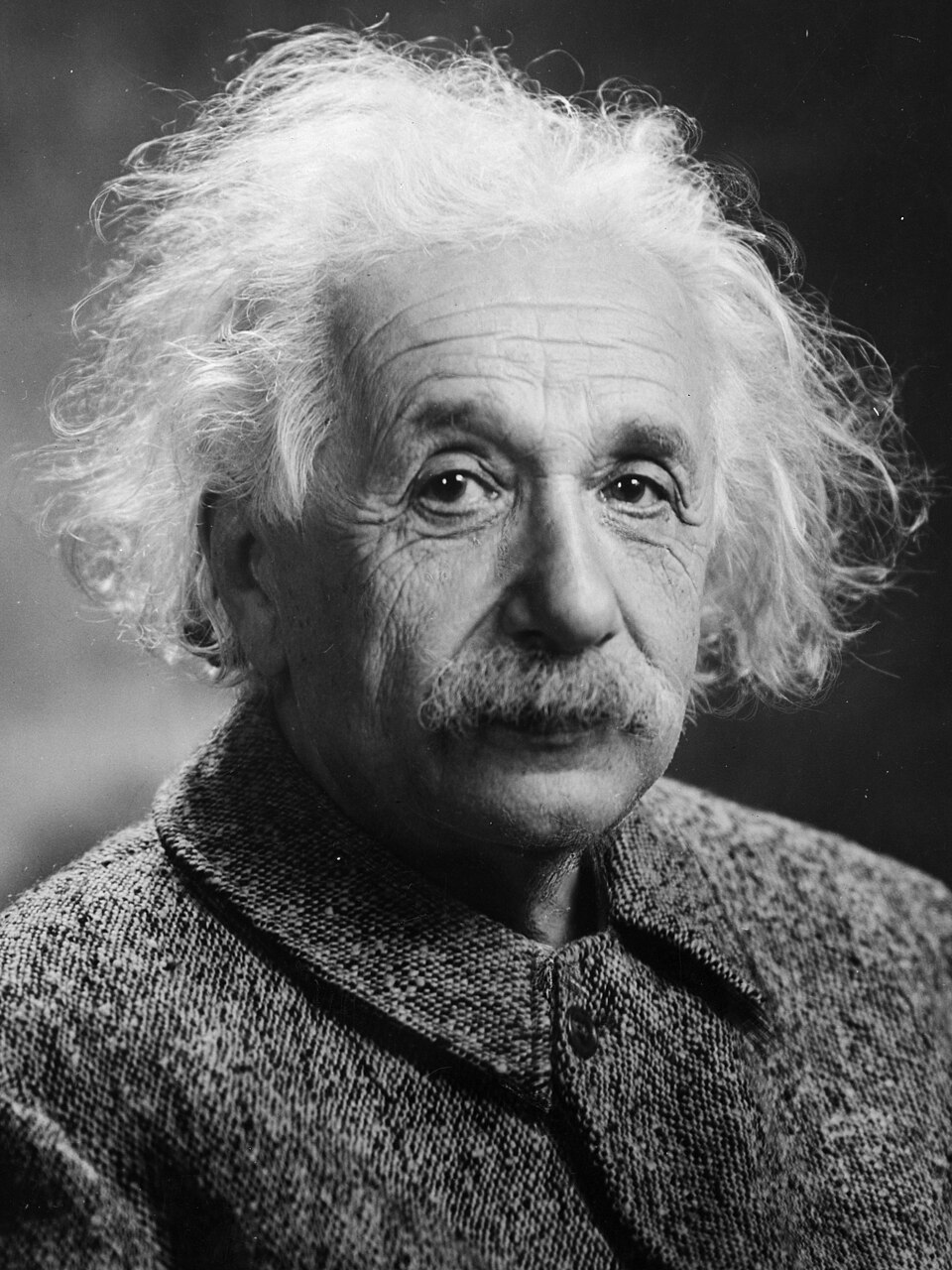
Photograph of Albert Einstein, public domain via Wikimedia Commons.
Physics
Albert Einstein
1879 - 1955/🇩🇪 Germany
He questioned assumptions everyone else took for granted and kept his curiosity and conscience together. We aim to think from first principles and stay honest about the stakes.
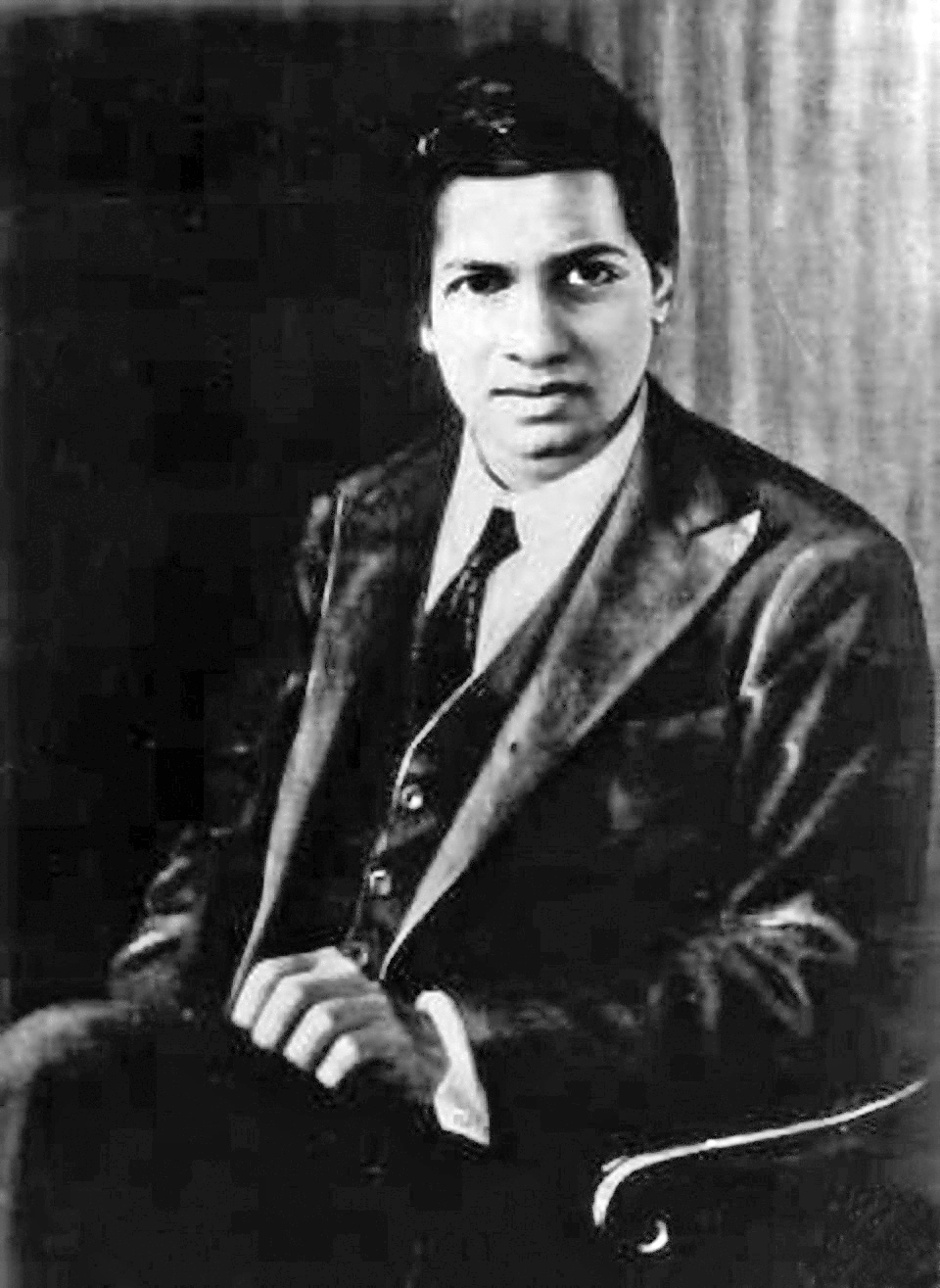
Photograph of Srinivasa Ramanujan, public domain via Wikimedia Commons.
Mathematics
Srinivasa Ramanujan
1887 - 1920/🇮🇳 India
With almost no formal training he saw truths the establishment could barely verify. Raw human ingenuity, given the chance to reach the world, is what we exist to serve.
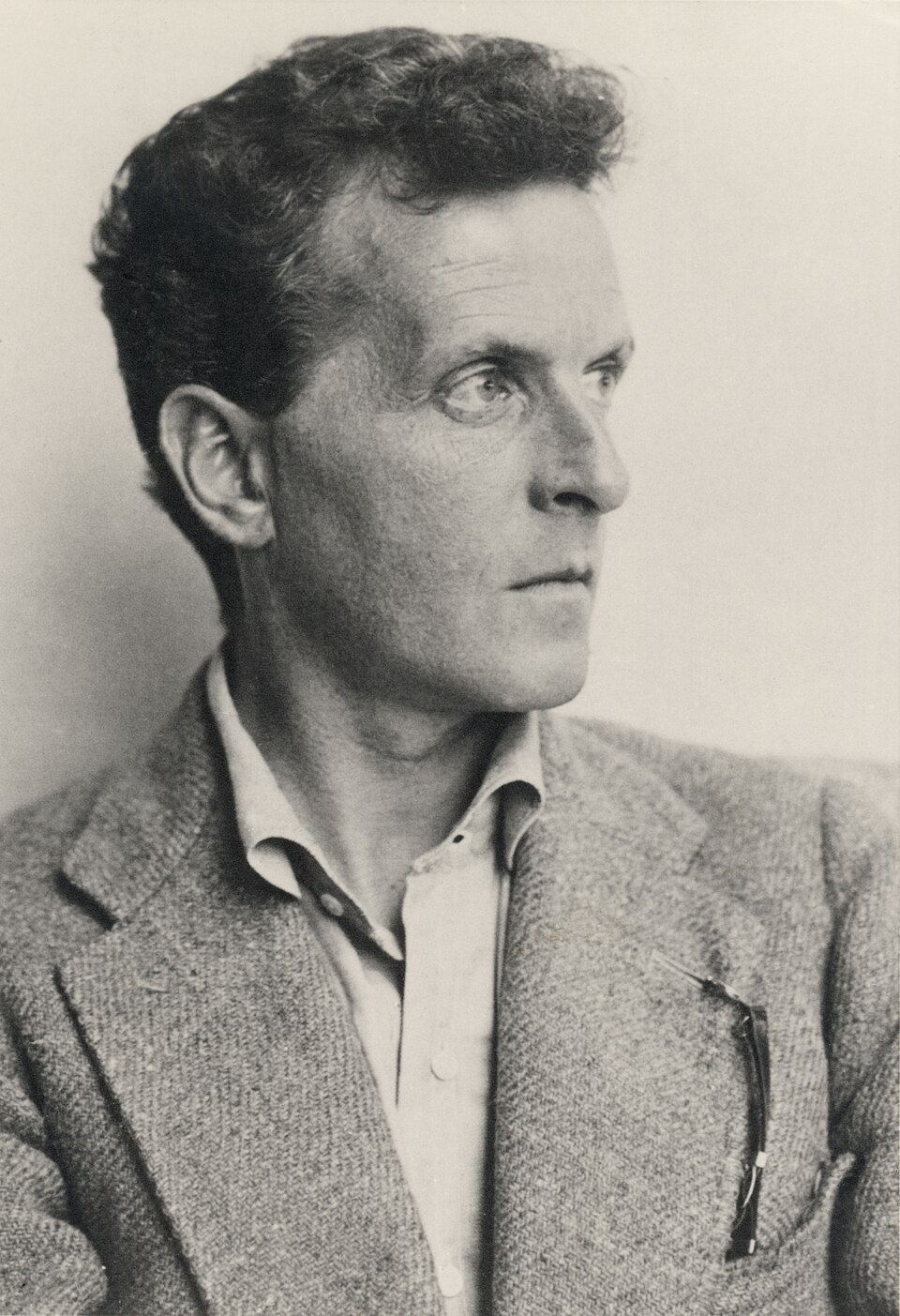
Photograph of Ludwig Wittgenstein, public domain via Wikimedia Commons.
Philosophy
Ludwig Wittgenstein
1889 - 1951/🇦🇹 Austria
He insisted that the limits of your language are the limits of your world. Giving people better tools and clearer words genuinely enlarges what they can do.
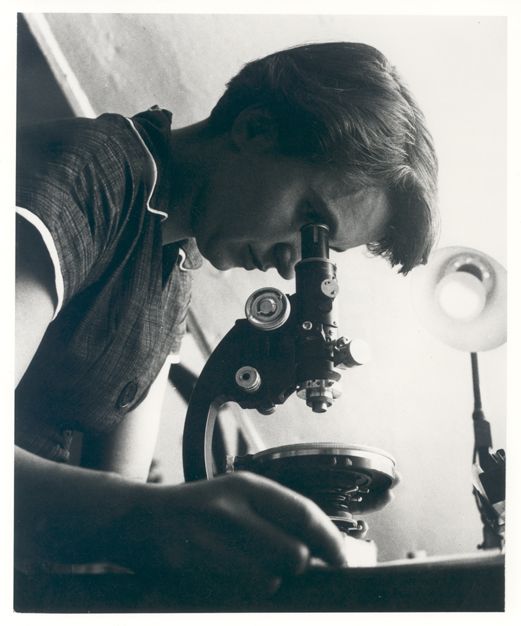
Photograph of Rosalind Franklin, public domain via Wikimedia Commons.
Chemistry & biology
Rosalind Franklin
1920 - 1958/🇬🇧 United Kingdom
Her exacting work made a landmark discovery possible, and the record deserves to name her plainly. We insist on giving credit honestly, to the person who did the work.
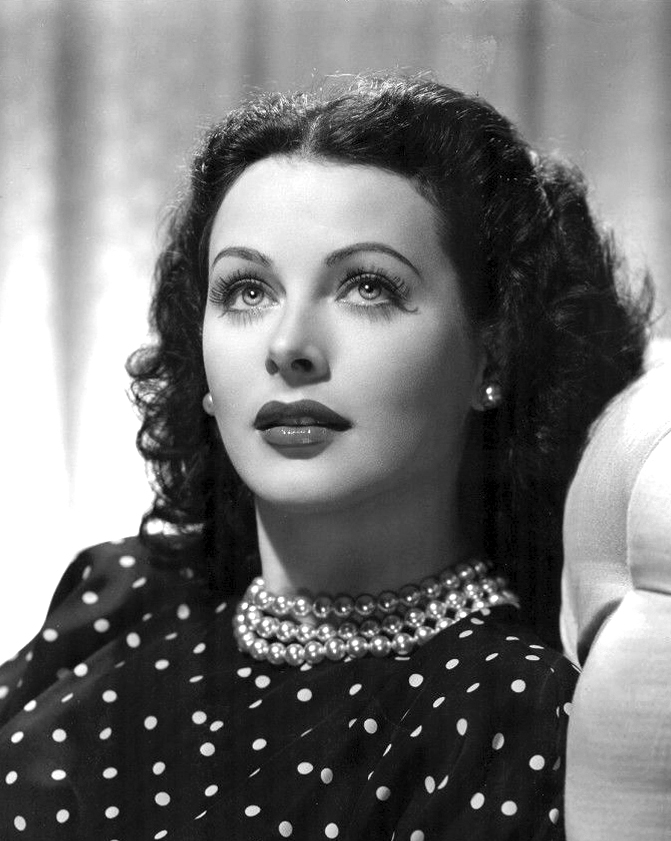
Publicity photograph of Hedy Lamarr (1944), public domain via Wikimedia Commons.
Invention & film
Hedy Lamarr
1914 - 2000/🇦🇹 Austria
Underestimated by everyone, she quietly invented a technology that now connects the planet. We never underestimate a person, and we build tools that let anyone contribute.
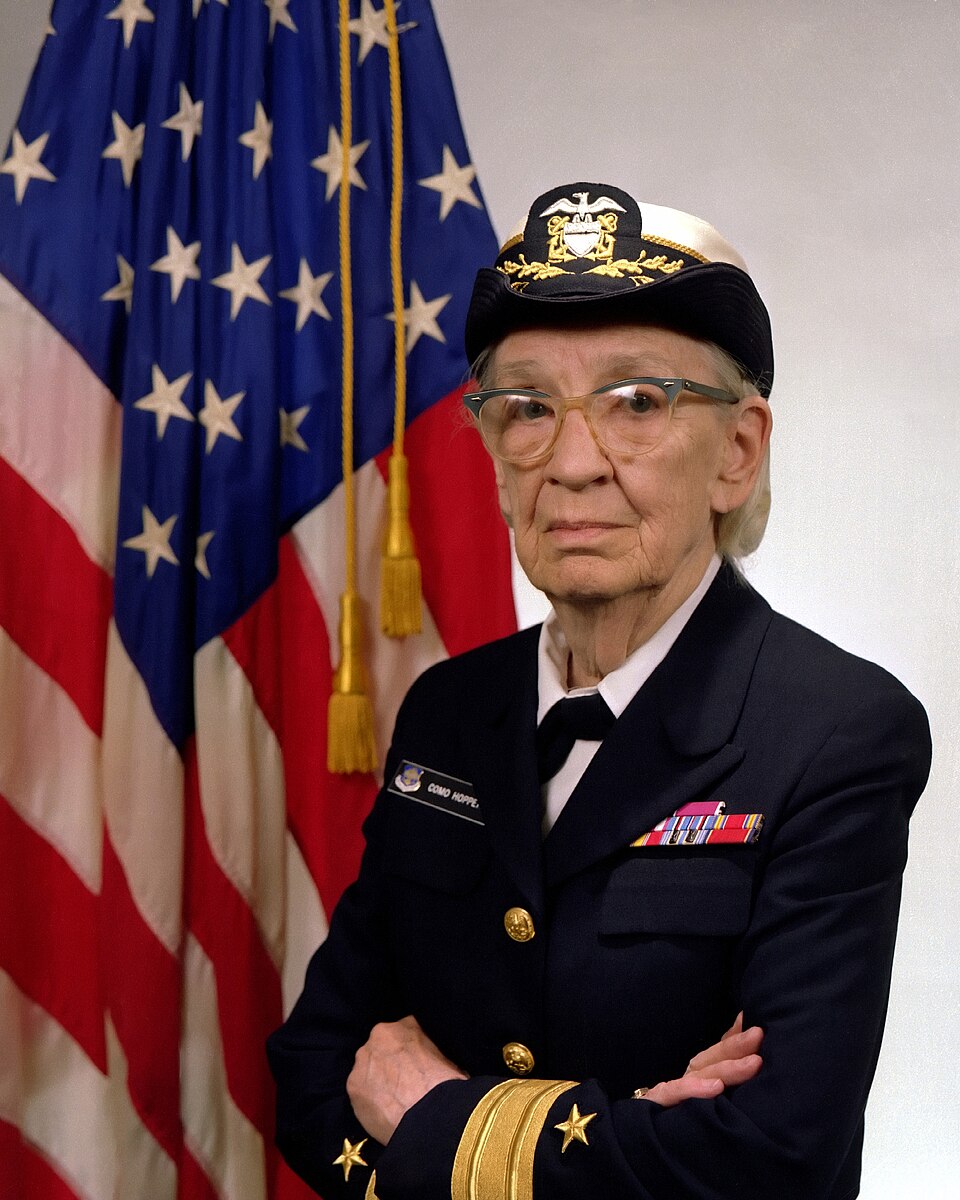
U.S. Navy photograph of Commodore Grace M. Hopper, public domain via Wikimedia Commons.
Computing
Grace Hopper
1906 - 1992/🇺🇸 United States
She fought to let people speak to machines in their own words, not just in code. Making powerful tools usable by everyone is the whole reason we build.
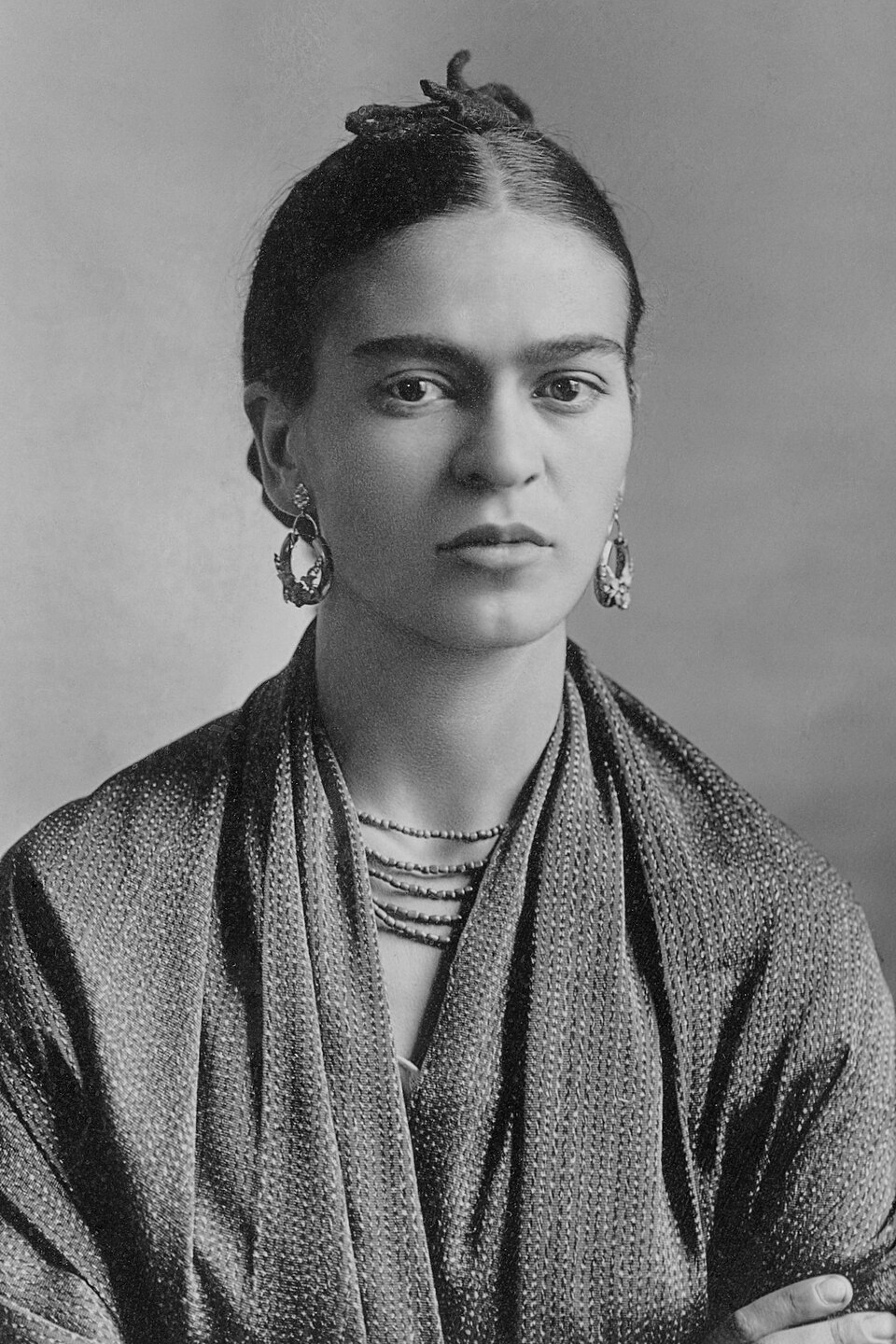
Photograph of Frida Kahlo by Guillermo Kahlo, public domain via Wikimedia Commons.
Art & design
Frida Kahlo
1907 - 1954/🇲🇽 Mexico
She told her own story on her own terms and owned every frame of it. Ownership of your own narrative and your own data is a right we defend.
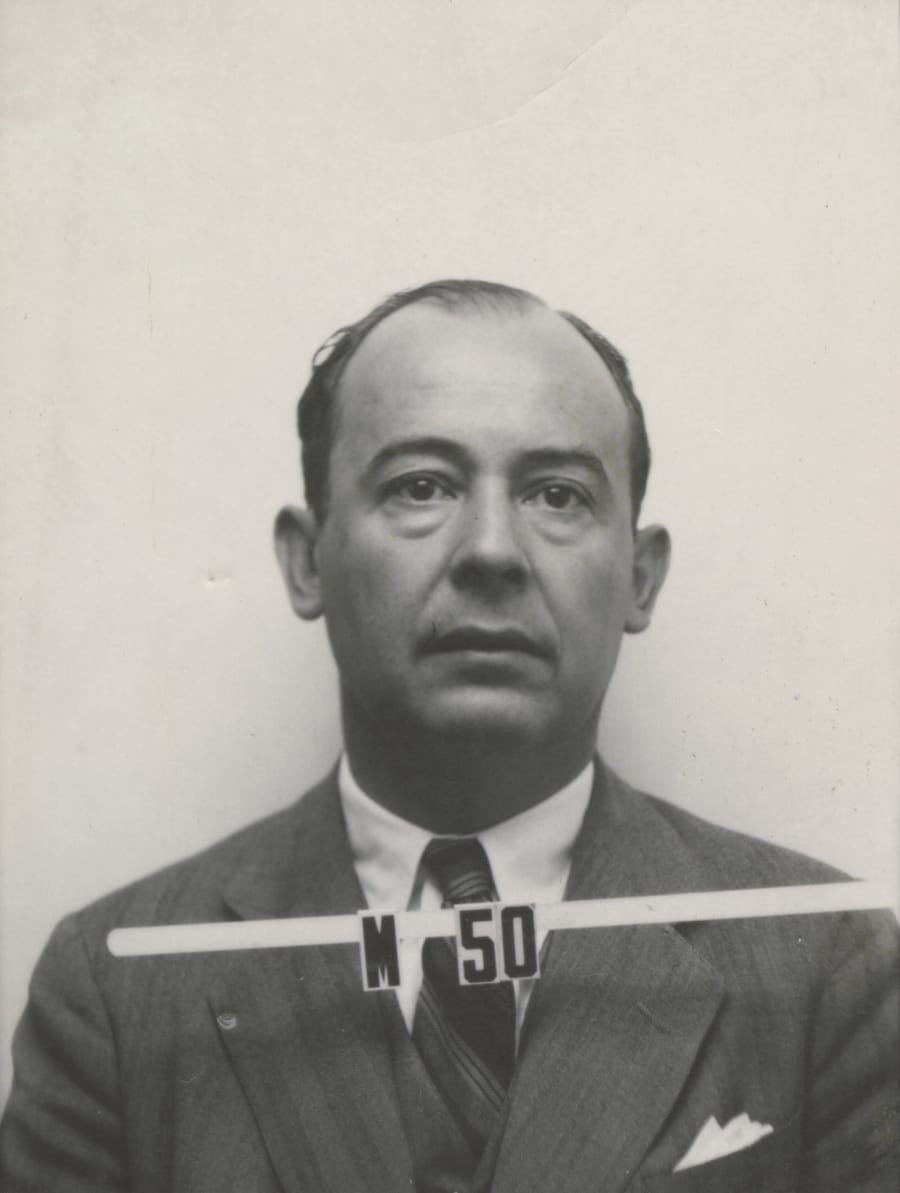
Los Alamos identity badge photo of John von Neumann, public domain via Wikimedia Commons.
Mathematics & computing
John von Neumann
1903 - 1957/🇭🇺 Hungary
von Neumann drew the blueprint for the stored-program computer that still sits inside every machine we ship. We build so that the person who owns the computer also owns the compute and the data that runs on it.
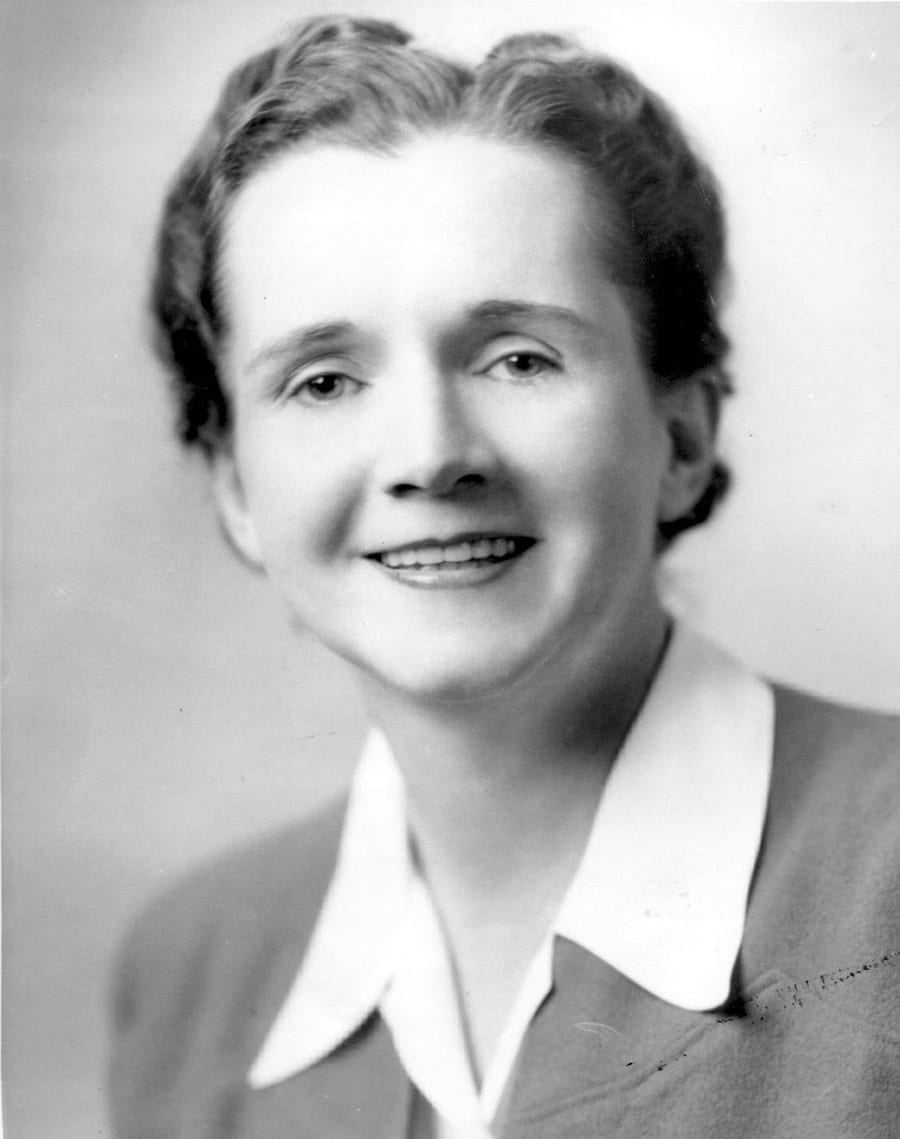
Official U.S. Fish and Wildlife Service photograph of Rachel Carson, public domain via Wikimedia Commons.
Environmental science
Rachel Carson
1907 - 1964/🇺🇸 United States
Carson told the plain truth about invisible harm even when powerful interests wanted silence. We hold ourselves to that standard: be honest about what a system does to the people inside it, and design so their data is never quietly poisoned.
In nature nothing exists alone.
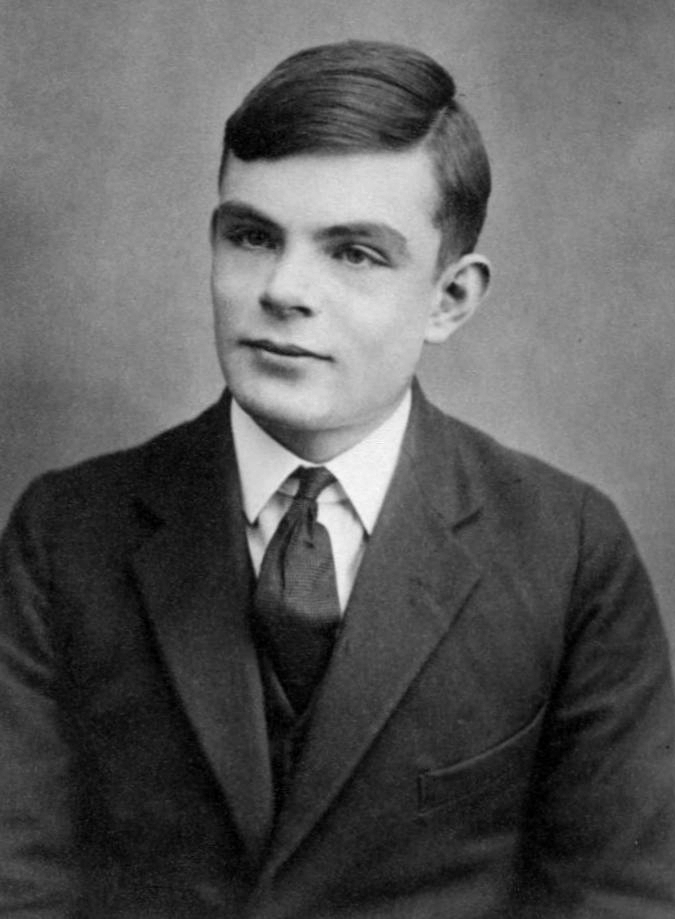
Photograph of Alan Turing, public domain via Wikimedia Commons.
Mathematics & computing
Alan Turing
1912 - 1954/🇬🇧 United Kingdom
He defined what a computer even is and used it in service of humanity, then was treated unjustly by the world he saved. We honor the person, and we build to protect people.
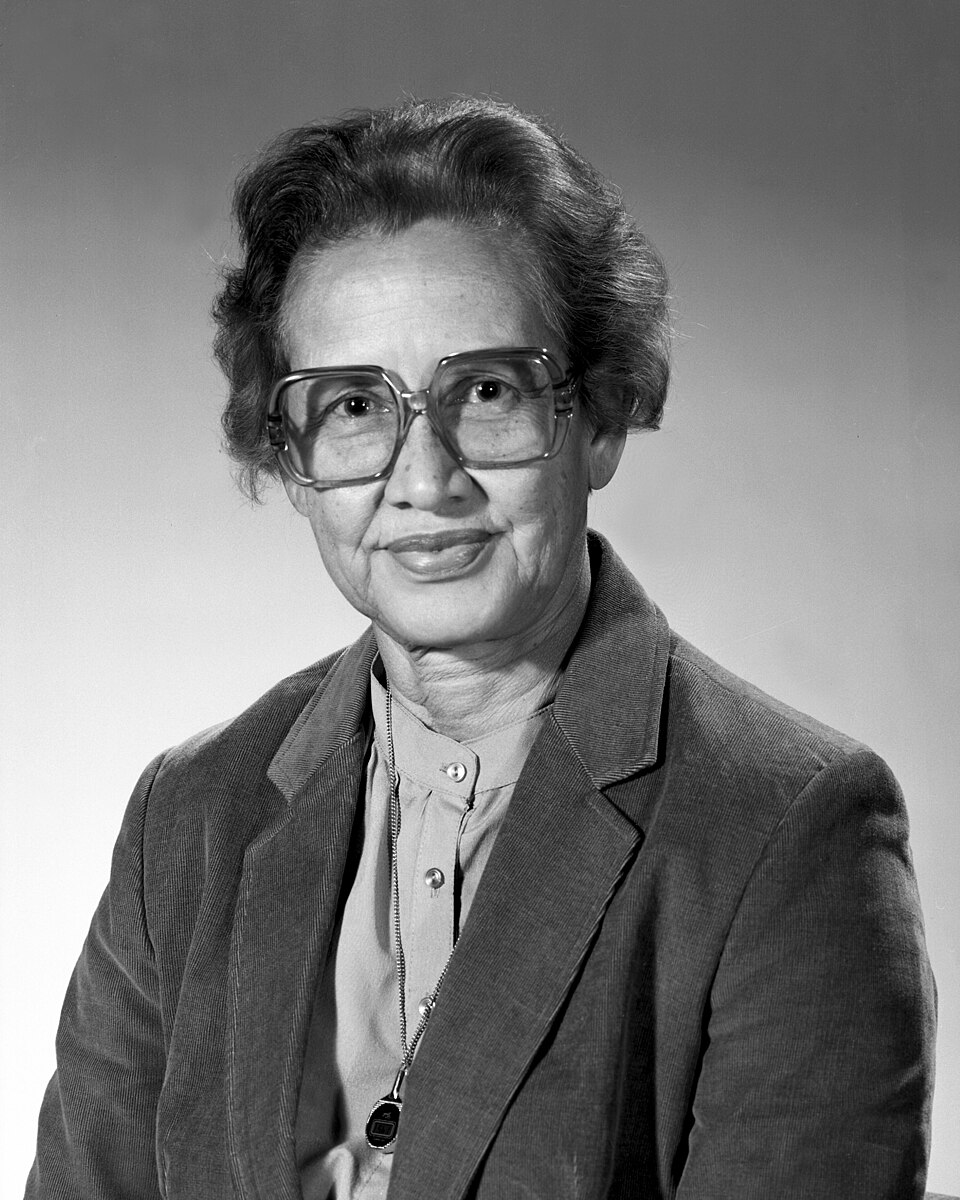
NASA photograph of Katherine Johnson (1983), public domain (NASA) via Wikimedia Commons.
Mathematics & space
Katherine Johnson
1918 - 2020/🇺🇸 United States
Astronauts trusted her numbers over the machines, and she earned that trust through sheer precision. Getting the details exactly right for the people who depend on you is the job.
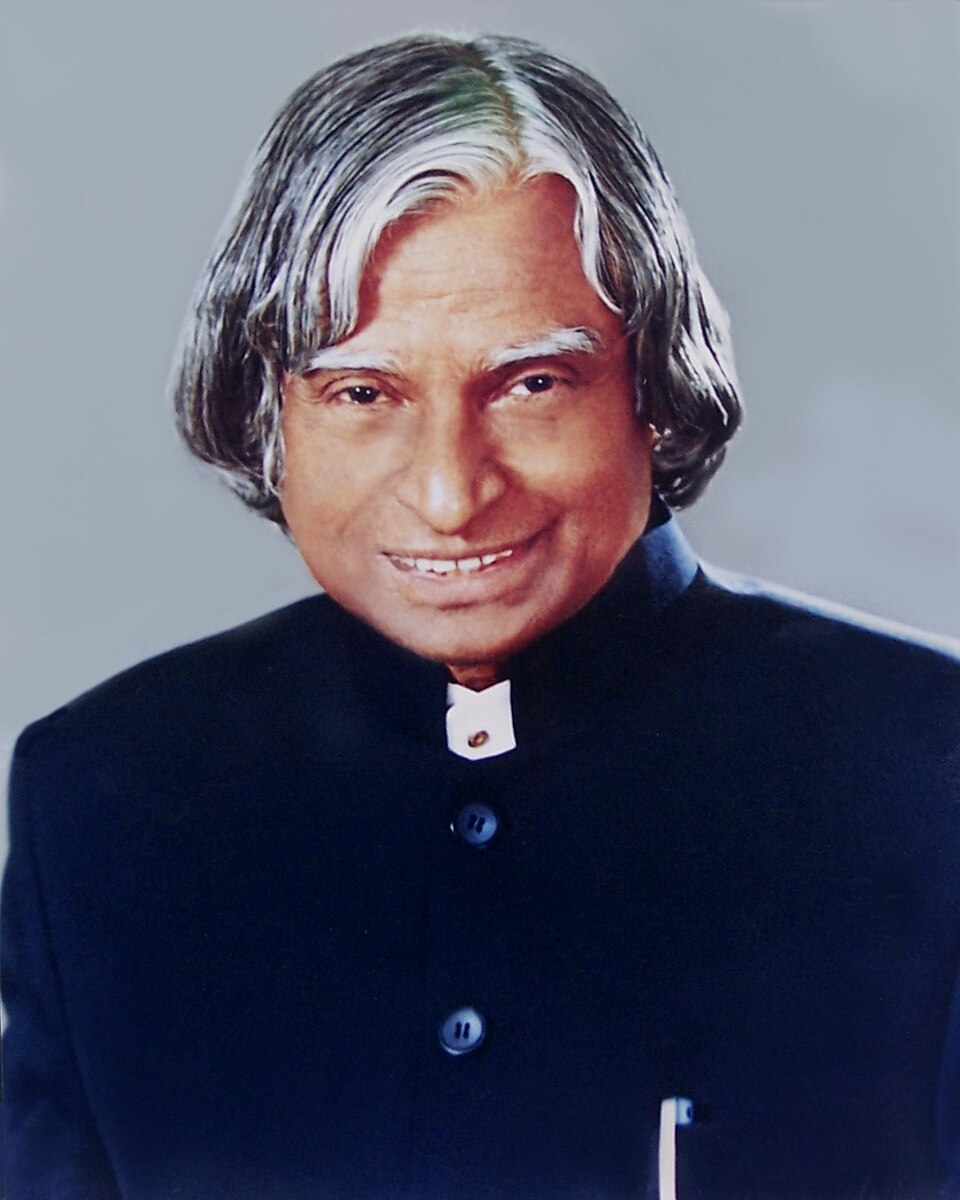
Official portrait of A. P. J. Abdul Kalam, Government of India, public domain via Wikimedia Commons.
Engineering & space
A. P. J. Abdul Kalam
1931 - 2015/🇮🇳 India
He led at the frontier of engineering yet spent his heart teaching young people to dream and build. Serving people and lifting the next generation is exactly our aim.
Dream, dream, dream. Dreams transform into thoughts and thoughts result in action.
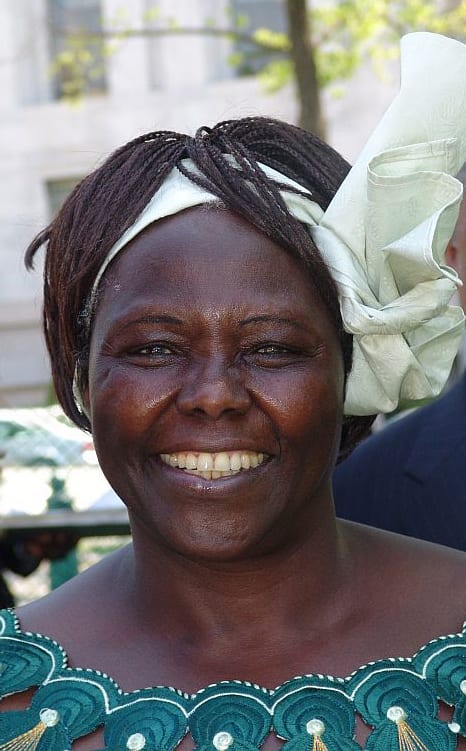
Photograph of Wangari Maathai in 2001, CC BY-SA 2.0 via Wikimedia Commons.
Environment & peace
Wangari Maathai
1940 - 2011/🇰🇪 Kenya
Maathai gave power back to ordinary communities one planted tree at a time, and showed that small local acts add up to something no central grid can match. Our edge model is the same bet: many small owned nodes, run by the people who host them.
Portrait of Maryam Mirzakhani by Florian Caullery, CC BY-SA 3.0 via Wikimedia Commons.
Mathematics
Maryam Mirzakhani
1977 - 2017/🇮🇷 Iran
Mirzakhani solved some of the hardest problems in geometry by staying patient with them for years. She reminds us that the best work is slow and careful and its own reward, and that talent shows up everywhere if you let it.
The beauty of mathematics only shows itself to more patient followers.

 We celebrate humans