
 magazine
Personal Intelligence
Intelligence has always been personal, formed by a lifetime of knowledge, experience, and taste. Owned, private AI lets a person compound their own intelligence instead of renting someone else's. On 🤫 Agent One, 🤫 Puppy One, consent, and keeping the human at the center.

There is a kind of intelligence no benchmark measures. It is the thing a person carries after decades of paying attention: the recipes that actually work in your kitchen, the friend you know to call when the news is bad, the way you can tell a good deal from a dressed-up one, the taste you have earned in music or wine or code, the shape of your own history and the lessons pressed into it. It is knowledge, experience, and taste fused into judgment. We call it personal intelligence, and it is the most valuable intelligence you will ever be near, because it is yours and it is about your life.
The strange thing about the current moment is how easily we forget this. In the rush to talk about artificial intelligence, we started measuring intelligence as if it were a single ladder, one number, one leaderboard, one model smarter than the last. But intelligence has always been personal. It lives in particular people, formed by particular lives, applied to particular problems. The interesting question is not whose model tops the chart. It is what happens when your own intelligence gets an amplifier.
Intelligence has always been personal
Before there were models, there were people who were wise about specific things. A grandmother who could read weather off the sky. A mechanic who diagnosed an engine by ear. A teacher who knew exactly which student needed which sentence on which day. None of that was general. All of it was intelligence, hard-won and deeply personal, the residue of a life spent noticing.
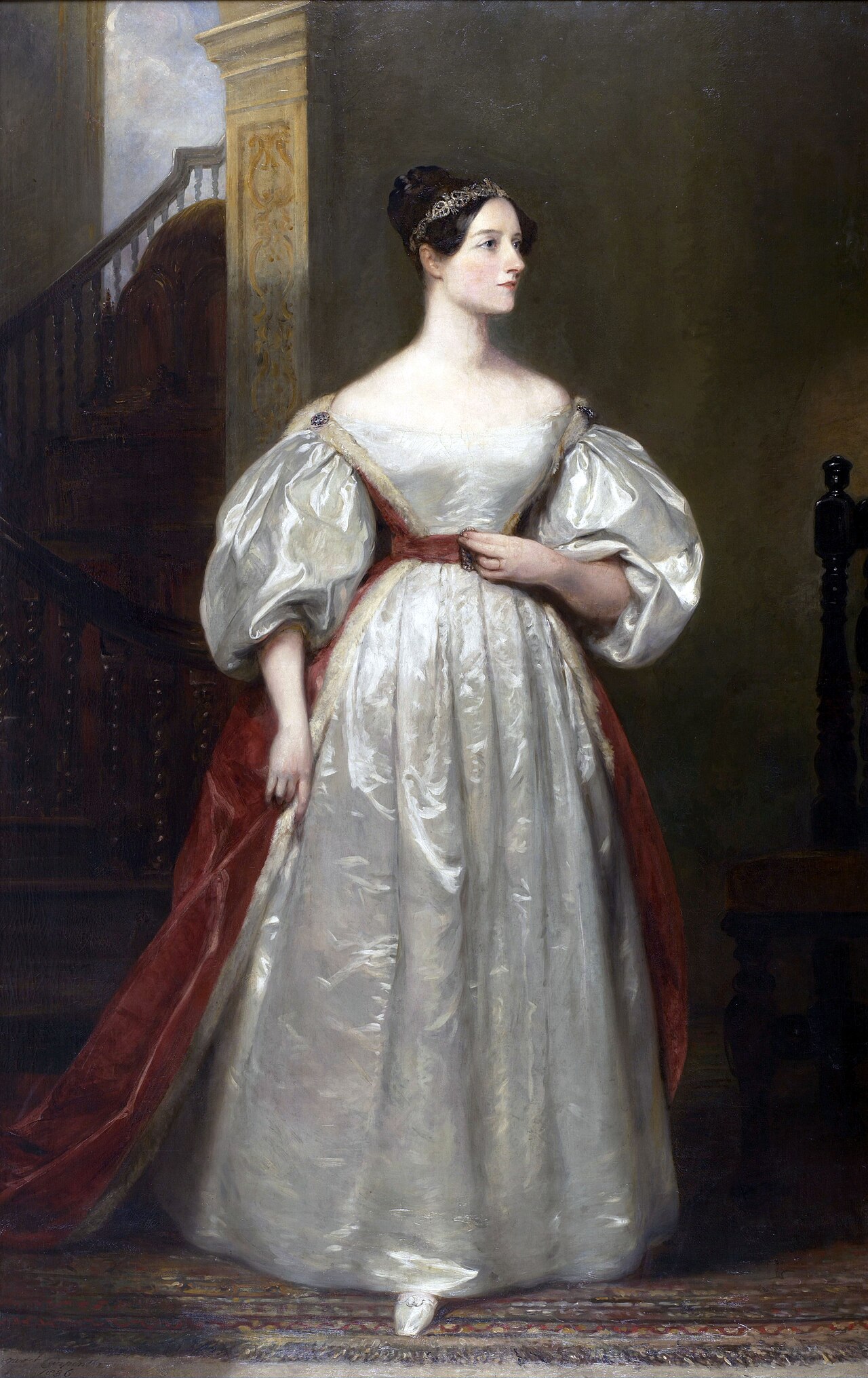
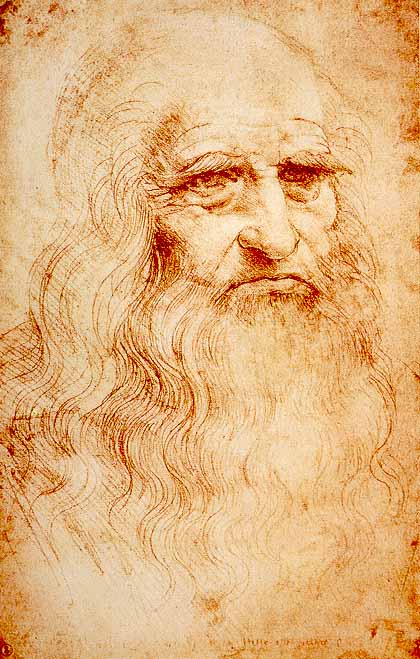
The tools we build to help thinking have always been personal too. A notebook is a second memory. A library card is borrowed judgment. A trusted advisor is intelligence you rent by the hour. The whole history of human progress is a history of people extending their own minds with tools, and the best tools were the ones that made you more yourself, not less.
Renting a mind versus owning one
Here is where the current path splits. Most AI today is something you rent. You send a thought out to a system you do not own, running on hardware you will never see, governed by terms you did not write, and it sends an answer back. It can be genuinely useful. But every question you ask it teaches it, not you, and the intelligence it builds from your life accrues somewhere far away. You are pouring your particulars into a general mind that belongs to someone else.
There is another way to hold it. Imagine the same power, but pointed inward and owned. An AI that learns from your life so that your intelligence compounds, not a stranger's. That remembers what you told it because it works for you. That gets sharper about your work, your people, your taste, your history, precisely because none of that ever has to leave your control. That is the difference between renting a mind and owning one, and over a lifetime it is an enormous difference.
Owned, private AI lets you compound your own intelligence instead of renting someone else's.
Compounding, not renting
Compounding is the quiet force behind most things that get large. Money compounds. Skills compound. Relationships compound. Personal intelligence compounds too, when the conditions are right, which is to say when what you learn stays with you and builds on what you already knew.
Rented intelligence breaks the loop. Every session starts a little colder than it should, because the good stuff, the part that knew you, was never really yours to keep. Owned intelligence closes the loop. The notes you take, the decisions you make, the patterns your agent notices about how you actually live, all of it becomes a growing private store that makes the next answer better than the last. Ten years of that is not a chatbot. It is a second self that knows your life and works for it.
🤫 Agent One and 🤫 Puppy One
This is why 🤫 Agent One is free and yours. Free, because a private amplifier for your own mind should not be a luxury good. Yours, because it answers only to you, works from a vault you control, and treats your information as the asset it is. It is the everyday surface of your personal intelligence: the thing you talk to in order to remember, decide, plan, and build.

And this is why 🤫 Puppy One exists: a personal supercomputer, so the heavier thinking can happen on hardware you own rather than on a rented cloud that also learns from you. The combination is the whole idea. The agent is the mind you talk to; the supercomputer is where that mind can run privately, on your terms, at real power. Together they let a single human hold serious intelligence without renting it and without giving themselves away to get it.
None of this works without consent at the center, which is why consent runs through everything we build, expressed as the Hushh Protocol. Your personal intelligence is only yours if you decide, every time, what it learns from and what, if anything, it ever shares. Understanding that deep is only safe when the human stays in command of it.
The human at the center
It is easy to read all of this as a story about machines getting smarter. It is really a story about people. The reason to want powerful AI is not to be replaced by it but to be more fully yourself with it: to spend less of your life on the boring and the forgettable, and more of it on the work, the people, and the ideas that are actually yours.
Intelligence has always been personal. For the first time, ordinary people can own the amplifier too. When your intelligence compounds for you, on hardware you hold, with consent you grant, the future stops being something that happens to you and starts being something you author. That is the quiet, serious promise of personal intelligence, and it is worth building carefully.
Image credits
With gratitude to those who share their work freely. Photographs are used under the Unsplash License; historical portraits are public domain.
- Cover and building, a person at a laptop: photo by Glenn Carstens-Peters on Unsplash.
- Ada Lovelace, portrait by Margaret Sarah Carpenter (1836), public domain via Wikimedia Commons.
- Leonardo da Vinci, presumed self-portrait (c. 1512), public domain via Wikimedia Commons.
The hussh magazine
Written by Manish Sainani, and built to read beautifully here — and to travel to 🤫 One on your phone, your glasses, and visionOS, as one immersive magazine you own.