The Human, Understood
A deep-research story on how people actually spend their days, why everyone is becoming a builder, and how 🤫 Agent One serves the human - 24/7/365, with the human always in control of their circle, information, knowledge, and creations.
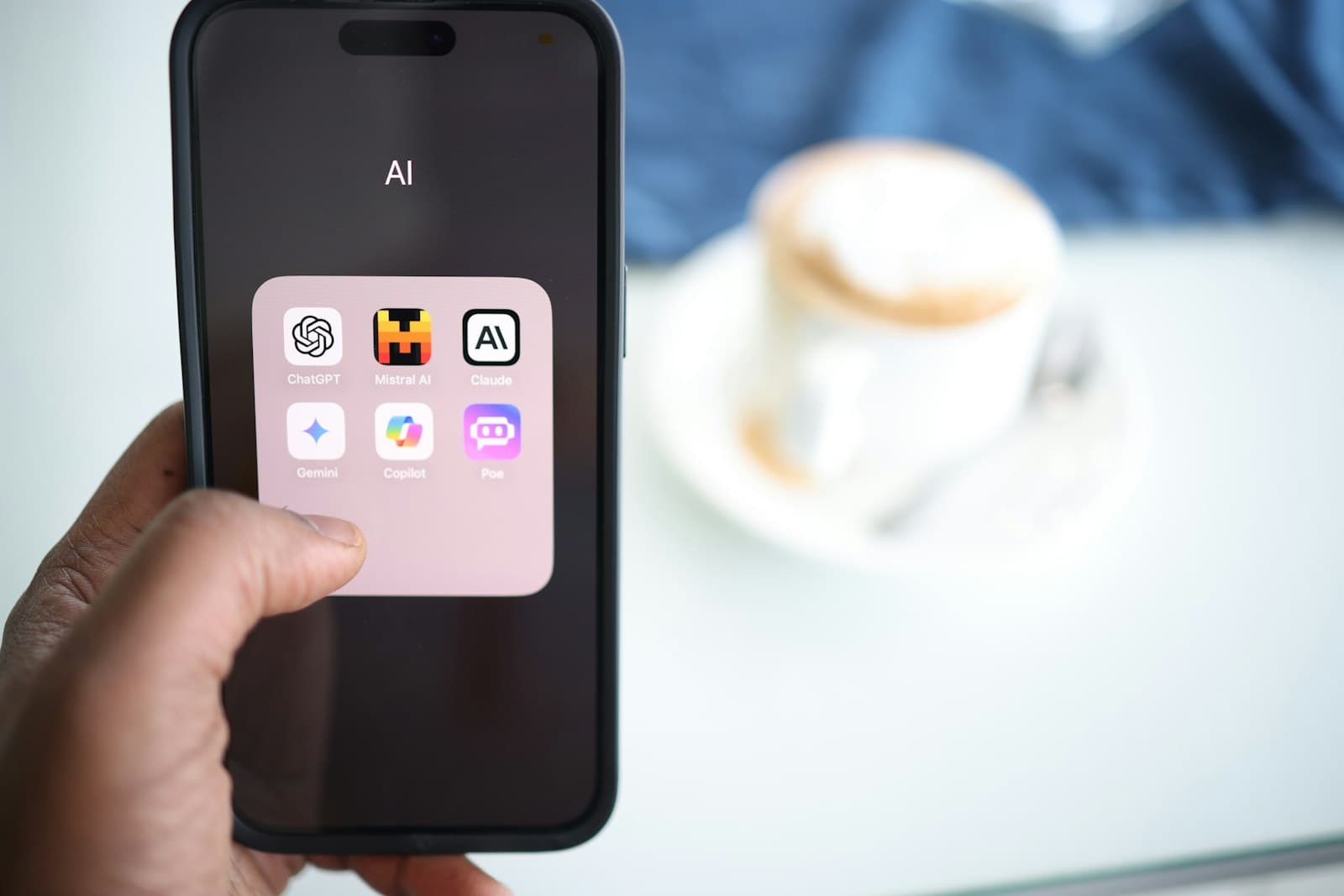
The average person now spends close to seven hours a day looking at a screen, roughly five of them on a phone, and reaches for that phone about 96 times a day - once every ten waking minutes. Nearly nine in ten of those mobile minutes happen inside apps. This is not a scold. It is simply where modern life is lived now: our work, our money, our health, our friendships, our plans, and our memories all flow through a small glass rectangle and the software on it.
So we went looking for a deceptively simple answer: what does a person actually want from all that time? Not what keeps them scrolling - what would they happily hand to someone else if they trusted that someone completely? This is the research behind 🤫 Agent One, and what it taught us about the human at the center of it.
Seven hours a day, ninety-six glances
Attention has quietly become the scarcest resource a person owns. The typical day is not one long focused stretch; it is hundreds of fragments - a notification here, a half-read message there, a tab left open for three weeks. The tools that fill those hours are mostly optimized for one thing: keeping you in them. Engagement is their north star, and engagement and a life well handled are not the same goal. Often they are opposites.
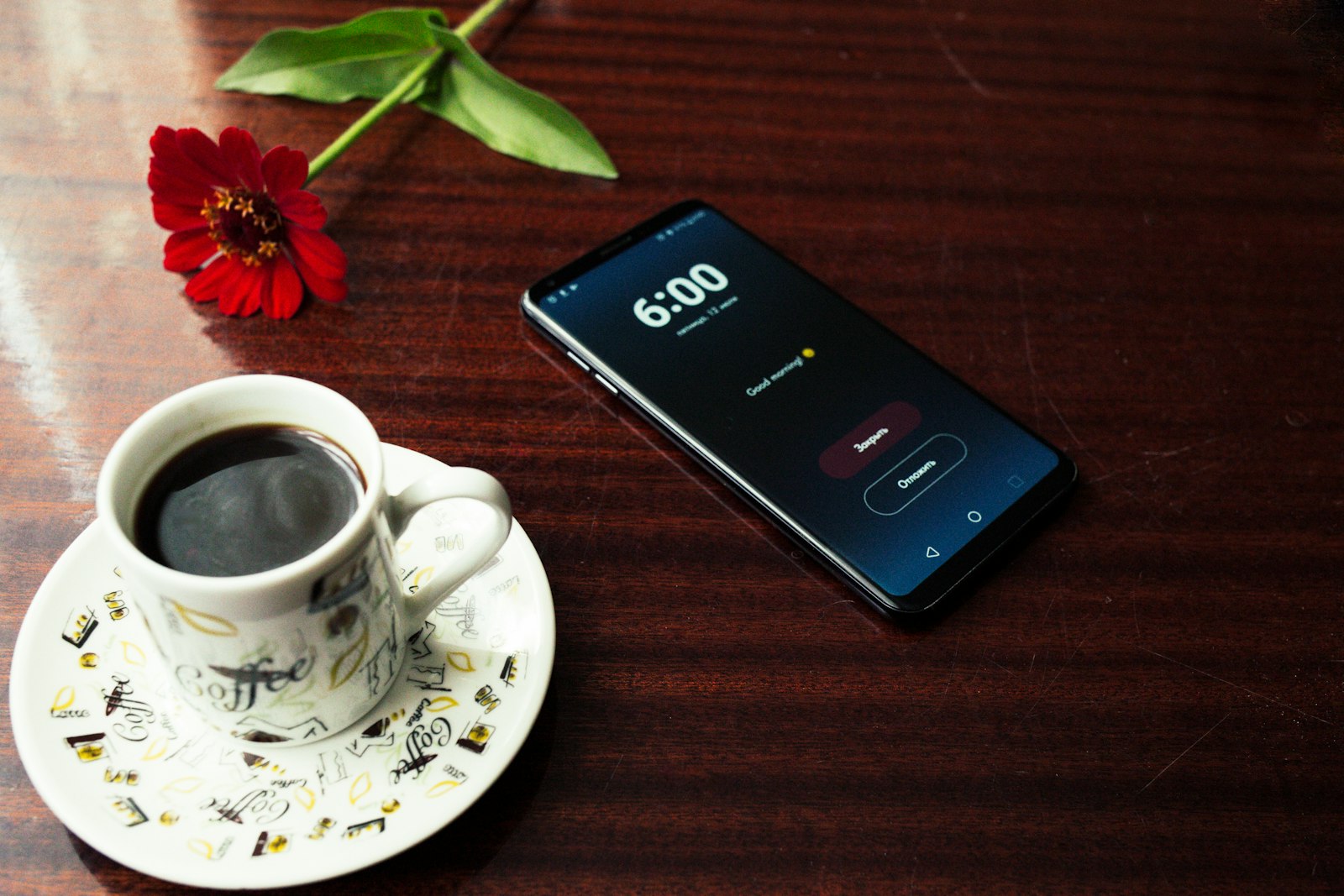
When we mapped a normal week, the pattern was clear. The genuinely valuable moments were small and practical: the bill paid before it was late, the appointment that got booked, the friend who got remembered on a hard day, the document found in seconds, the trip that came together without twelve open tabs. These are not glamorous. They are the texture of a good day. And almost none of them require more screen time - they require less.
What the human actually wants
Underneath the specifics, people want a handful of the same things, in roughly this order:
- Their needs handled. Money, health, logistics, the boring-but-critical admin that eats hours and causes quiet stress.
- Their wants made easy. The trip, the gift, the meal, the plan - the good parts of life, with the friction removed.
- Their people kept close. The circle of family, friends, and colleagues who matter, tended even when life gets busy.
- Their desires taken seriously. To be healthier in body, mind, and spirit; to build the thing they keep meaning to build; to feel that the future is theirs to shape.
The honest summary: people do not want another app to learn. They want their life understood - their habits, their preferences, the small particular ways they like things done - and then they want most of it quietly taken care of, with them still firmly holding the wheel.
People do not want another app to learn. They want their life understood, and then quietly taken care of, with them still holding the wheel.
An agent that answers only to you
That is exactly what 🤫 Agent One is built to be: a private agent that answers only to you, working 24 hours a day, 7 days a week, 365 days a year, that learns the human as deeply and respectfully as possible and then gets things done on their behalf. Not a feed. Not a product that monetizes your attention. An agent that is yours.
The difference is control. With Agent One, the human stays in command of four things that should never have left their hands:
- Your circle - who is in your life, and what each person is allowed to see.
- Your information - your data lives in a vault you own, on hardware you control, shared only with explicit consent and a receipt for every access.
- Your knowledge - what you have learned, gathered, and figured out stays yours, compounding for you instead of for a platform.
- Your ability to share - the power to hand any of it - a fact, a file, a creation - to the right person, as easily as saying so.
Understanding someone deeply is only safe if they remain in control of what that understanding is used for. Consent first, always, is not a feature bolted on; it is the whole point.
Everyone is becoming a builder
Something else changed while the screens filled up: ordinary people started building. In early 2025 a new phrase entered the language - “vibe coding”, coined by Andrej Karpathy - for the act of making software by simply describing what you want in plain words and letting an AI write it. By the end of the year it was the Collins Dictionary Word of the Year. More than 150,000 apps had been built this way, and 63% of them by people who are not developers. In one startup cohort, a quarter of new companies shipped code that was 95% AI-generated.

The line between “coder” and “creator” is dissolving. Knowing how to ask is becoming as valuable as knowing how to type. This is the modern vibe coder: a person who talks to build solutions and apps - for themselves, for their family, for communities, and for the app stores that reach millions and billions of people. They are not waiting for permission or a computer-science degree. They have an idea on Tuesday and something real by Thursday.
Agent One is made for exactly this human. The same agent that handles your day is the one you talk to in order to make things - a small tool to run your side hustle, an app your whole neighborhood uses, a service you sell to the world. Building stops being a specialist act and becomes a basic human ability, like writing.
From creator to community
The numbers behind this are not small. The creator economy was worth around $250 billion in 2025 and is on track to pass a trillion within the decade. Somewhere between 200 and 275 million people already identify as creators, reaching billions of others. What they are really building is rarely just content - it is community: a circle of people who trust them, gathered around something they care about.

We believe the next decade belongs to builders who do great common-sense business with great people - communities built on openness rather than lock-in, on fair exchange rather than extraction. That is the kind of network worth being part of: one where owning your audience, your data, and your work is the default, not a premium tier; where the tools are honest about how they make money; and where the people who help it grow share in what they build.
The human stays in control
Tie it together and the picture is simple. A person spends seven hours a day inside software. They want their needs, wants, and desires understood and handled, their people kept close, and their health - physical, mental, and spiritual - looked after. They are, increasingly, builders and creators who want to make and share as easily as they speak. And through all of it they want to stay in control of their circle, their information, their knowledge, and their creations.
Agent One exists to give them all of that at once: a private agent that knows them, works for them around the clock, helps them build and share, and never once forgets whose life it is. The human holds the keys. The agent does the work.
An optimistic note
It is fashionable to be cynical about technology and the future. We are not. We think the most exciting thing happening right now is that the power to understand, to build, and to reach the world is finally landing in the hands of regular people - and that, done with consent and care, it makes lives genuinely better. We are optimists about people, and about the world we are building with them. If that sounds like you, come build it with us.

Sources
- Average Screen Time Statistics 2026 - DemandSage
- Smartphone Usage Statistics - Priori Data
- Vibe coding - Wikipedia
- State of Vibe Coding - Taskade
- Creator Economy Market Report - Grand View Research
- Creator Economy Statistics 2026 - DemandSage
Image credits
With gratitude to the photographers who share their work freely. All photographs are used under the Unsplash License.
- Cover, a phone in hand: photo by Solen Feyissa on Unsplash.
- Morning, a phone beside coffee: photo by Roman Synkevych on Unsplash.
- Building, a person at a laptop: photo by Glenn Carstens-Peters on Unsplash.
- Community, friends together outdoors: photo by Vitaly Gariev on Unsplash.
- Optimism, a person at golden hour: photo by Soroush Karimi on Unsplash.
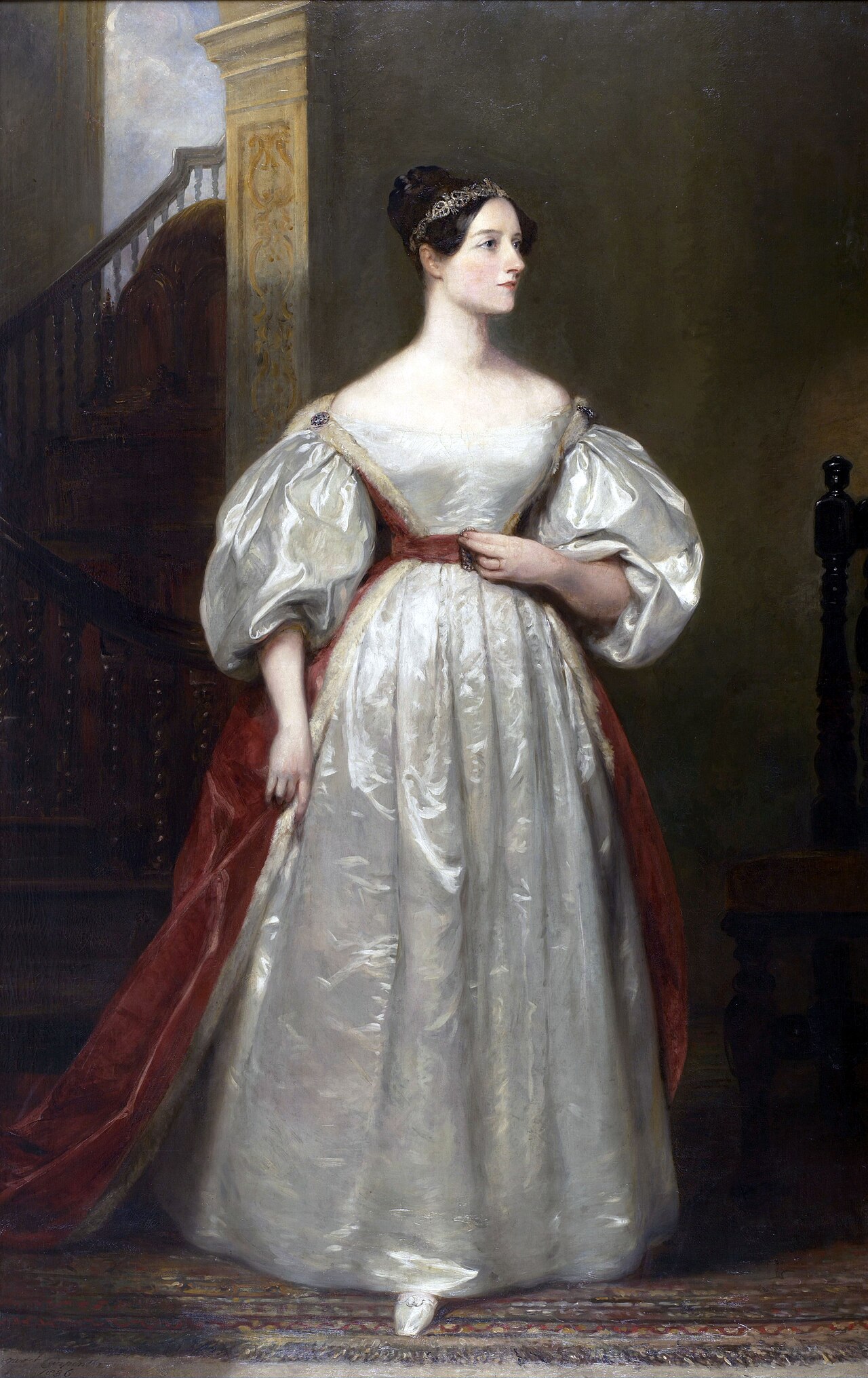
- Ada Lovelace, portrait by Margaret Sarah Carpenter (1836), public domain via Wikimedia Commons.
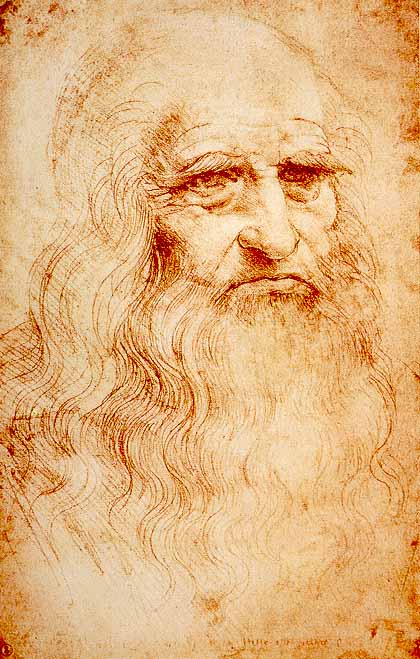
- Leonardo da Vinci, presumed self-portrait (c. 1512), public domain via Wikimedia Commons.
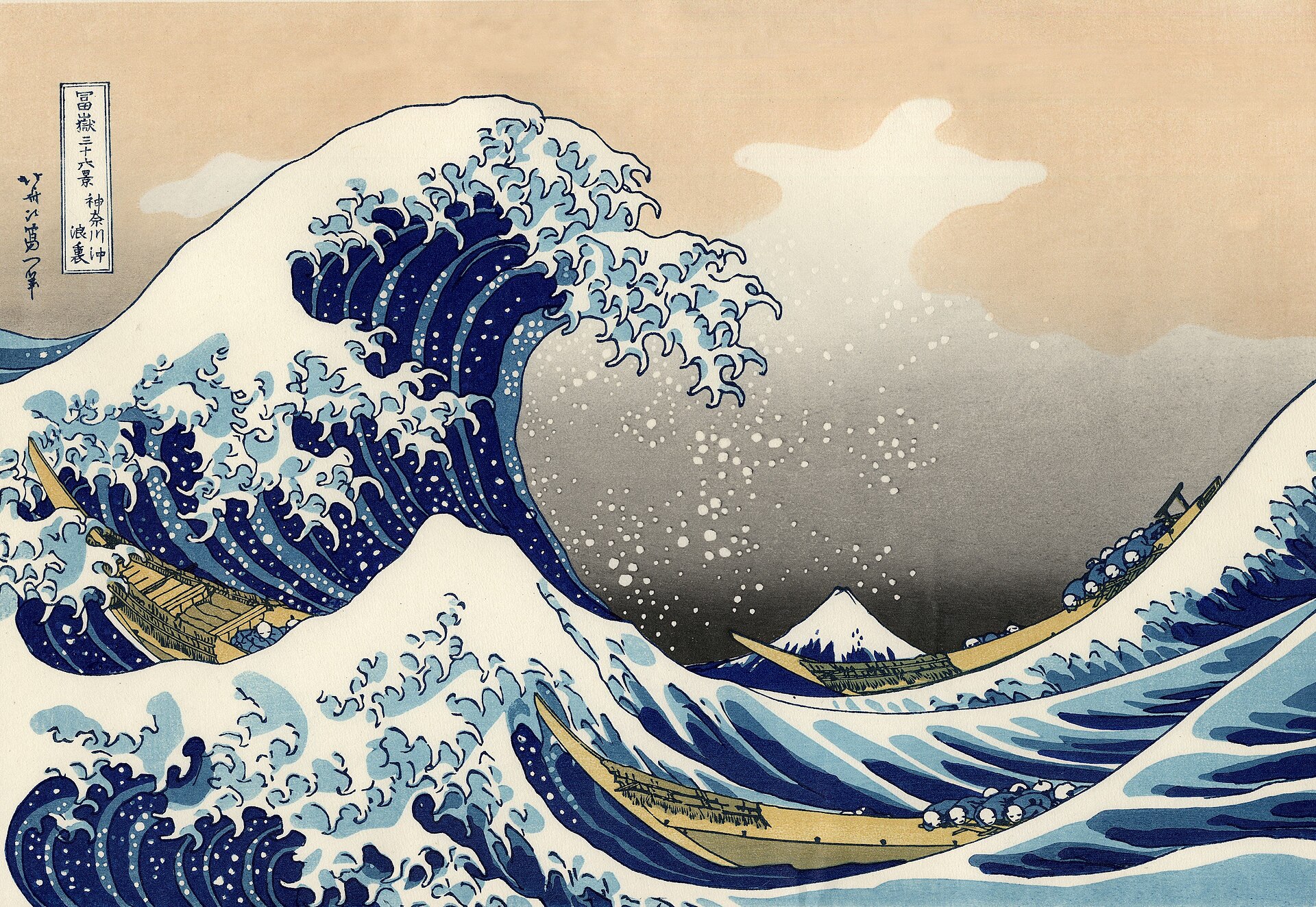
- The Great Wave off Kanagawa by Katsushika Hokusai (c. 1831), public domain via Wikimedia Commons.
- The four-things-you-control panel is an original 🤫 illustration.
The 🤫 hussh magazine
Written by Manish Sainani, and built to read beautifully here — and to travel to 🤫 One on your phone, your glasses, and visionOS, as one immersive magazine you own.